Three-Tier Rice-Turtle-Vegetable Ecological Farming Model Gains Ground in Jingzhou, Hubei
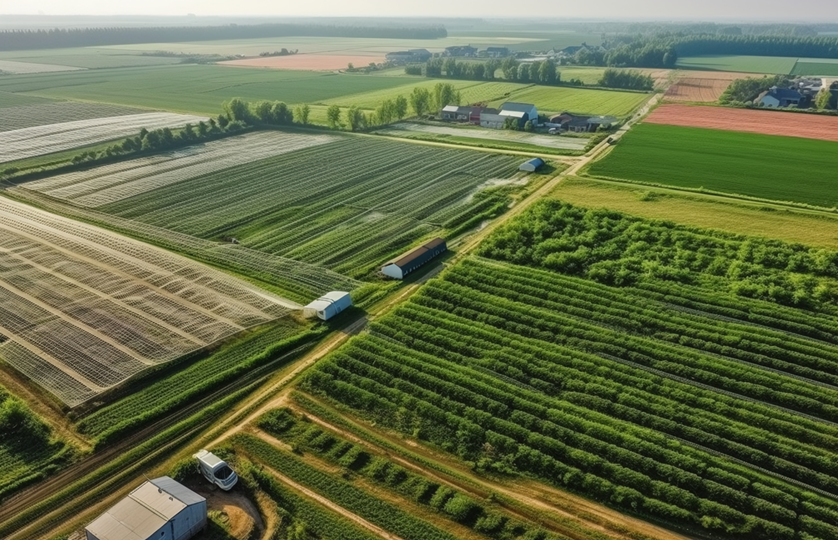
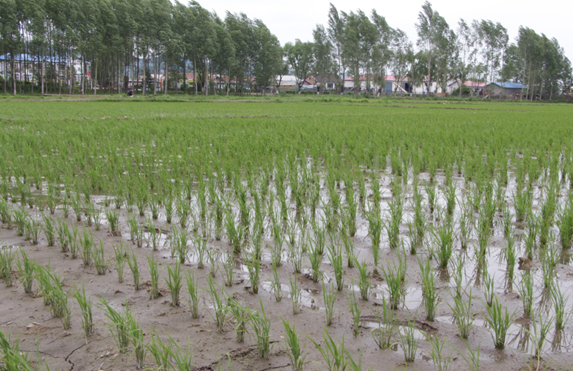
As the Summer Solstice arrives, visitors to the agricultural science and technology industrial park operated by Yangtze University in Jingzhou, Hubei Province can witness a distinctive layered farming demonstration plot dedicated to rice, softshell turtles and green vegetables. Main paddy zones stretch across the fields, while one-metre-wide deep water trenches run along field ridges. Floating planting rafts sit atop the water surface, and Chinese softshell turtles move freely within the irrigation ditches winding through the farmland.
Field trials have proven the rice-turtle-vegetable symbiosis system forms a balanced self-sustaining ecological cycle. High-quality fragrant rice varieties native to the Jianghan Plain are cultivated across the paddies, paired with Chinese softshell turtles, an indigenous aquatic species unique to China. Newly bred lettuce, water spinach and water dropwort grow on floating ecological beds; these crops feature robust root systems with strong pollution tolerance, greatly boosting the water’s capacity to absorb nitrogen and phosphorus nutrients. The leafy vegetables can be rotated through different growing seasons while providing natural shelter for softshell turtles.
A standard ten-mu field layout allocates roughly one mu to circular breeding trenches, with the remaining nine mu reserved for rice cultivation. Under a three-year breeding cycle, each mu of trench space holds 1,600 softshell turtle juveniles, each growing to an average weight of three jin. The setup yields approximately 4,800 jin of live turtles from every ten mu of farmland each year, alongside stable rice harvests and chemical-free fresh vegetables, opening extra revenue streams for grain-growing households.
Softshell turtle breeding stands as a pillar industry that drives rural income growth across Jingzhou. Agricultural research outcomes are being translated into tangible earnings for local growers through on-site demonstration and scaled promotion. In 2025, the Jingzhou District Agricultural Science and Service Centre facilitated a joint application between Yangtze University and a local aquatic farm, securing official approval for a specialised science and technology courtyard focused on rice-turtle integrated aquaculture. The three-dimensional rice-turtle-vegetable co-cultivation framework is now being rolled out across Jingzhou District and neighbouring county-level jurisdictions.
The aquatic farm spans over 200 mu of operational land. Sequential market release of ecologically reared softshell turtles will amplify the overall economic returns generated by integrated rice and aquaculture systems. Field monitoring work continues year-round, with academic teams conducting regular site inspections to track turtle growth rhythms, crop vitality and water quality indicators within the demonstration zones.
Local agricultural authorities will keep coordinating university research resources and rural production entities to expand coverage of low-carbon circular farming plots. Optimised field engineering, seedling matching and water management protocols will be standardised to simplify adoption for smallholder farmers across the Jianghan Plain river basin.