China’s Cotton Sector Pursues Quality-Driven Upgrade Amid Global Supply Chain Restructuring
According to China Cotton Association official news, cotton forms a foundational pillar of China’s national economy and a vital raw material source for global textile supply chains. Cultivation and processing activities sustain the livelihoods of cotton growers and industrial workers nationwide, underpinning a trillion-yuan industrial chain stretching from field cultivation to finished apparel manufacturing.
Against sweeping shifts in global economic landscapes and mounting market standards for cotton commodities, China’s cotton industry is advancing through a pivotal phase of industrial transformation and upgrading. Key remarks delivered at the 2026 China Cotton Industry Development Forum outline a landscape balancing emerging opportunities and structural challenges. Market volatility, resource constraints and intensifying cross-border competition persist, yet maturing industrial agglomeration, widespread technological innovation and deepening low-carbon transition inject fresh momentum into high-standard industrial growth.
Maturing Industrial Agglomeration Drives Stable Domestic Output
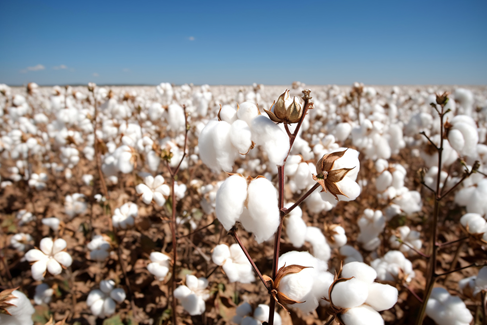
Official agricultural statistics record 4.4687 million mu of cotton sown nationwide in 2025, a year-on-year expansion of 211,300 mu or 5.0 per cent. Per unit yield climbed to 148.6 kilograms per mu, marking a 2.6 per cent annual rise, with total national cotton output reaching 6.641 million tonnes, an increase of 477,000 tonnes or 7.7 per cent against 2024 volumes.
Amid pervasive uncertainty across global cotton supply networks, consistent output expansion and enhanced production efficiency deliver steady raw material reserves for domestic textile manufacturers, reinforcing China’s central standing within international cotton markets.
Global economic activity enters a low-growth cycle alongside accelerated restructuring of cross-border supply chains. Cotton operates as a multi-functional commodity bearing agricultural, industrial and strategic resource attributes, with four clear industry-wide trends unfolding: rigid cost pressures, diversified sourcing away from single supply regions, geographically concentrated production and full-chain digital and green transformation. Industrial operators must align operational strategies with shifting external conditions to capture new openings for streamlined global resource allocation amid reshaped international cotton frameworks.
Upward fixed operational costs compel every tier of the industrial chain to roll out technological upgrades and refined operational management to mitigate margin pressure. Xinjiang remains the core stabilising force for China’s cotton sector, generating 6.165 million tonnes of cotton in 2025, up 479,000 tonnes or 8.4 per cent year on year. Three-year targeted measures will standardise industry specifications, fund manufacturing equipment renewal, rationalise production capacity layouts, launch pilot shared processing schemes and formalise enterprise credibility evaluation systems to modernise processing workflows and lift overall product quality and operational efficiency.
Production capacity within China’s cotton industry continues shifting westward. Enterprises adopt divergent purchasing and processing strategies compared with previous operating cycles amid evolving regional output distribution. The China Cotton Association outlines a roadmap for accelerated industrial optimisation, leveraging digital technologies across the full value chain to unlock new diversified consumption applications for cotton fibre. The sector will shift its development focus from output expansion to quality and profitability gains, while deepening cross-border industrial collaboration. Industry association platforms will coordinate international counterparts to construct balanced trade frameworks, uphold equitable commercial rules and facilitate global operational expansion for domestic cotton enterprises.
Widespread Technological Innovation Reshapes Full Industrial Workflows
Cotton seed breeding sits at the upstream terminus of the cotton chain and dictates per-unit yields and fibre quality. Domestic research teams have secured world-leading capabilities in cotton germplasm resource development, functional gene excavation and biological breeding technologies, with multiple patented breeding techniques deployed for large-scale commercial cultivation to lift production efficiency and product quality.
An integrated biological breeding framework combining whole-genome sequencing and gene editing enables precise directional modification of cotton traits. The technology delivers accurate regulation of fibre quality and plant morphology, alongside solutions to sterile cotton growth triggered by extreme high temperatures, lowering output losses stemming from harsh weather conditions and reinforcing stable harvest volumes.
Growth models reliant purely on expanding planting acreage can no longer sustain industrial progress. Boosting unit yields, refining fibre quality and rationalising seed variety portfolios stand as unavoidable developmental priorities. Fragmented and inconsistent seed varieties remain a prevailing operational hurdle, with mixed strain distribution widespread across certain growing zones. Concurrent breakthroughs in seed research must coincide with standardised, geographically tailored seed deployment planning.
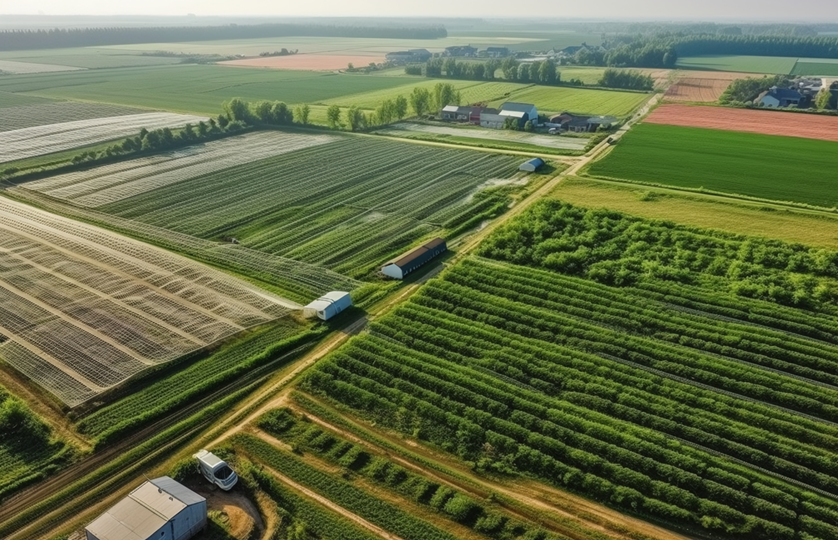
Technological transformation permeates every industrial segment beyond seed development. Beidou navigation seeding, drone plant protection and smart irrigation systems operate across extensive cotton-growing zones in Xinjiang to raise field operation precision and conserve water and fertiliser inputs. Intelligent ginning machinery and real-time online quality inspection systems overhaul traditional quality control protocols at processing facilities.
Global-competitive cotton textile brand development requires dual focus on consumer-facing brand identity and manufacturing prowess to elevate cotton goods’ value share within end-product commercial chains and guide sustainable, healthy market development. Cotton textile operators will consolidate industrial foundations, refine structural layouts and nurture world-leading flagship manufacturers, while scaling technical research to build national hubs for textile innovation.
Rapid rollout of emerging technologies including artificial intelligence, blockchain and advanced composite materials will span cotton breeding, smart agricultural management, textile machinery production and modern logistics to foster new industrial growth drivers. Customised, differentiated cotton goods and services aligned with downstream textile manufacturing demands will raise product added value and cultivate a cohort of globally competitive industrial leaders.
Deepened Green Transition Embeds Circular, Low-Carbon Principles
Conventional textile manufacturing follows linear production models accompanied by heavy resource consumption and environmental footprints. Cotton holds inherent eco-friendly characteristics suited to material recycling, bio-based formulation and biodegradable manufacturing, with regenerative agricultural practices forming a core catalyst for the sector’s green transition.
The China Cotton Sustainable Development (CCSD) initiative formally launched cotton product origin certification protocols during the forum. Merchandise complying with sustainable cultivation benchmarks will carry exclusive origin labelling, enabling transparent identification for consumers. The mechanism extends sustainable cotton standards from field cultivation to traceable retail goods, safeguarding legitimate interests for growers, manufacturers and end buyers.
Sustainable cotton refers to crops cultivated via scientific agronomic practices that minimise pesticide and fertiliser application alongside manual intervention without compromising total yields, eliminating unnecessary environmental contamination. The registered certification trademark applies to raw cotton, home textile and apparel product categories, with three mandatory compliance criteria: minimum 95 per cent cotton fibre composition, domestic cotton accounting for no less than 60 per cent of total fibre inputs, and full adherence to top-tier product quality and ecological environmental specifications.
CCSD completed audit and certification for 1.22 million mu of cotton farmland in 2025, with 320,000 mu incorporated into demonstration growing zones to set industry benchmarks. A total of 1.05 million certification trademarks have been issued to brand partners, with market outreach campaigns embedding sustainable production concepts within consumer cotton goods.
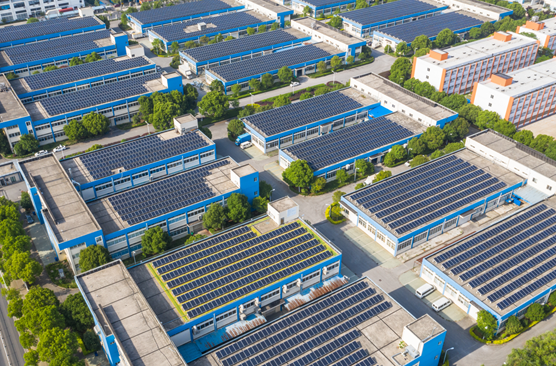
Digital equipment replaces traditional experience-based judgement to support decision-making and operational oversight across cotton production. Digital processing platforms dynamically calibrate drying, cleaning and ginning parameters according to raw material variations, cutting energy use and pollutant emissions while limiting cotton fibre damage and raising finished product standards. Digital infrastructure underpins consistent enforcement of sustainable cotton standards, delivering full-process monitoring, supervision and traceability and steering the entire sector toward efficient, low-carbon development trajectories.