Black Earth Polytunnel Farms Embrace Staggered Cropping and Selenium Cultivation to Boost Local Horticulture
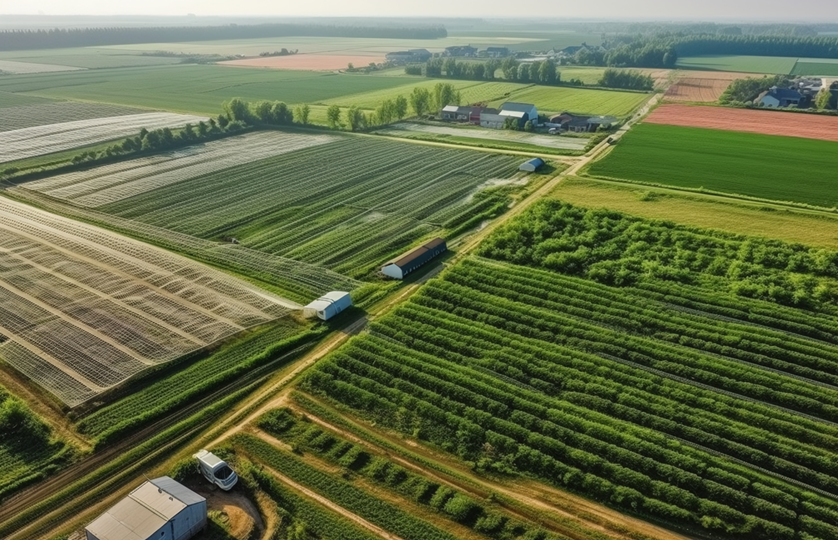
According to Heilongjiang Daily local rural agriculture coverage, mild intermittent drizzle clings to the fertile black earth during Grain in Ear, filling the air with rich, damp soil scent on the outskirts of Jiamusi city in Heilongjiang Province. At a concentrated polytunnel growing zone in Ping’an Village, Xigem Township, wind whips slanting rain against plastic tunnel coverings, producing a constant rustling sound across the site.
Workers move rapidly through the network of greenhouses to reinforce structural safety amid unsettled weather. Teams trudge across muddy ground armed with bundles of nylon rope, tightening fastenings along tunnel frames and adjusting ventilation screens to prevent cross draughts from tearing plastic cladding loose. More than one hundred polytunnels operate within the village, a mere six kilometres from central Jiamusi, and the growing site enters its busiest production phase through early summer.
Stepping into one polytunnel reveals a warm, earthy atmosphere thick with the sharp aroma of green Chinese onions. Neat parallel rows of young spring onions stand coated in tiny water droplets, with the first batch already harvested a month prior and sold at a wholesale rate of nearly two yuan per kilogram. Growers adopt staggered transplanting techniques to extend harvest cycles; mature onion stalks are stripped of upper foliage and relocated to separate tunnels, lengthening the growth window by twenty to thirty days. The relocated crops develop thicker, firmer white stalks and will hit market during a tighter supply window to secure improved pricing. While labour, extra tunnel space and extended maintenance push operational costs higher, calculated farm accounts confirm net margins will rise through this adjusted planting schedule.
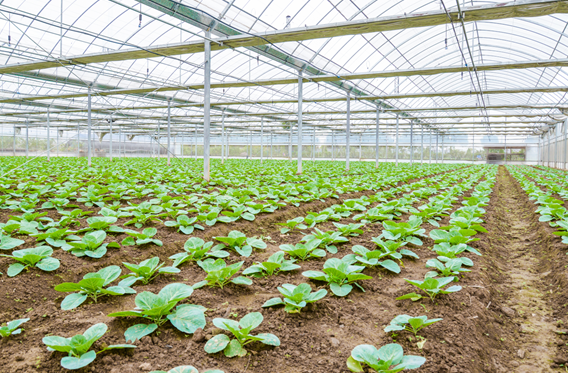
Fifty metres east of the onion tunnels sit three polytunnels out of a twenty-unit holding operated by a local grower, dedicated to fragrant melon saplings imported from Shandong Province. Triple-layer insulation combining outer plastic sheeting, secondary film and ground mulch maintains steady internal heat, leaving melon vines coated in glossy dark green foliage. Growers prune branches near ventilation openings to regulate plant growth, having transplanted saplings as early as late March to accelerate ripening. Two rounds of selenium-enriched fertiliser have been applied, with a final top-up set to boost fruit size ahead of market release on 15 June, almost one month earlier than last year’s harvest window which fell in mid-July.
All selenium-infused melons will undergo formal laboratory testing before sale to verify nutritional mineral levels, grounding brand credibility in verifiable agricultural data. Plans are laid to push next year’s harvest opening back to May, maximising the early-market price premium by compressing the cultivation lead time further.
Rainfall intensifies briefly and drums against tunnel plastic as site patrol crews traverse the full growing compound. Close to ten thousand jin of locally grown fruit and vegetables leave the polytunnels for urban markets each day, with forty to fifty permanent hands tending crops and additional seasonal staff drafted in during peak growing spells. Patrol crews carry out constant structural checks, securing loose rope fasteners to stop wind tearing plastic panels, and supervise ventilation adjustments to balance internal temperature and humidity.
The site yielded 1.5 million jin of horticultural produce last year, generating 1.6 million yuan in collective farm revenue. New operational targets centre on full-scale rollout of selenium-rich crop varieties alongside expanded technical partnerships with agricultural research institutions. The village’s proximity to Jiamusi city delivers natural logistical advantages, while coordinated technical upgrades will strengthen competitive edges for the polytunnel cluster moving forward.
As rainfall eases, fresh sounds of spadework drift from onion tunnels, ventilation screens edge open slowly inside melon growing houses, and patrol guidance echoes across the wider farm zone. Cool early summer breezes linger outdoors, yet controlled cultivation within plastic tunnels sustains prolonged growing conditions akin to spring, supporting year-round supply of premium local fruit and vegetables.