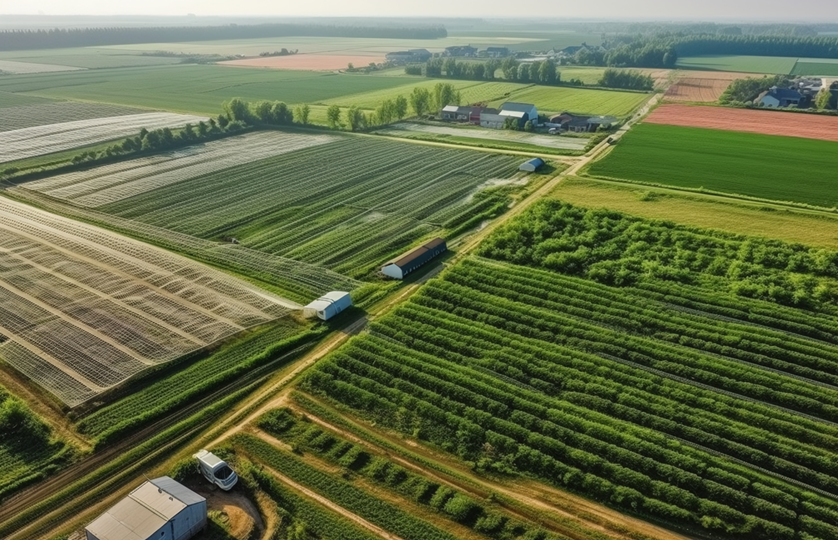
Ancient Melon Roots, Modern Harvest: Science Revives Watermelon and Muskmelon Farming in Chengtoushan
Changde, Hunan – In the sweltering summer heat, a grower kneels beside a melon field in Chengtoushan, Lixian County, slicing open a freshly harvested fruit. A sugar meter reads 13.2 degrees; a taste brings a satisfied smile.
This land carries deep historical ties to melon cultivation. Archaeologists have uncovered 17 carbonised muskmelon seeds at the Chengtoushan ancient paddy site, the earliest evidence of muskmelon farming in the Yangtze River basin. More than 138 muskmelon seeds were also found in the remains of Xin Zhui, the Western Han noblewoman buried at Mawangdui.
After three decades in business away from home, the grower returned in 2019 to take up melon farming. Early efforts relied solely on books. In 2019, prolonged rainfall near maturity triggered widespread disease, cracking and rot, leading to losses exceeding 50,000 yuan. Harvests remained unstable in subsequent years.
A turning point came in spring 2025, at a water‑melon and muskmelon cultivation demonstration in Anxiang, Changde. The grower observed consistent profits from superior varieties and advanced techniques, sourced from the National Watermelon and Muskmelon Technology System. By the end of that year, he visited Hunan Agricultural University to consult Professor Dai Sihui.
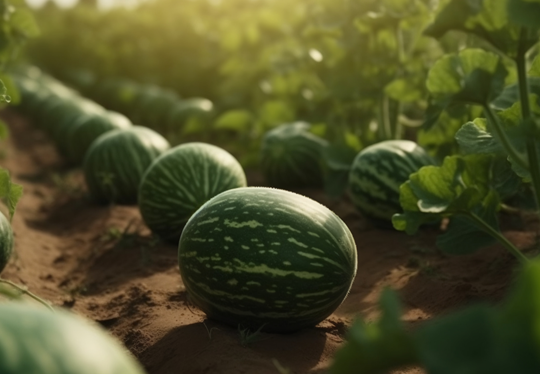
This spring, coordinated by the professor, over 200 new varieties were introduced from experts across the system for trial planting at Chengtoushan. The field now displays diverse rind colours—yellow, green, red—and fruit shapes, reflecting rich genetic diversity.
Selection is now science‑based. Varieties are evaluated for local adaptability and market demand, replacing blind planting. The trial plots will supply the core varieties for future cultivation.
On 4 June, more than 30 specialists from the National Watermelon and Muskmelon Technology System visited the Shennong Honey Melon Base in Chengtoushan. They examined crop health and delivered on‑site guidance, advising on varietal traits such as flood tolerance, water control and pest susceptibility.
Growers now have timely, precise technical support, resolving problems that once went unanswered in books.
Over seven years, the grower has developed into a respected local expert. His 15 mu of melon fields are expected to generate an annual output value exceeding 200,000 yuan. He also supports more than 70 neighbouring households, raising their incomes through shared cultivation.
Melon farming here has shifted from weather‑dependent to technology‑driven. Research findings move from laboratories to fields, while on‑farm needs guide scientific innovation.
In Chengtoushan, where ancient farming heritage meets modern agricultural science, the partnership between farmers and researchers continues to deepen, delivering tangible gains and strengthening the foundation for sustainable, high‑value crop production.