From Barren Salt Flats to Golden Wheat Fields: Tianjin Transforms Coastal Saline Land via Scientific Dryland Alkali Wheat Cultivation
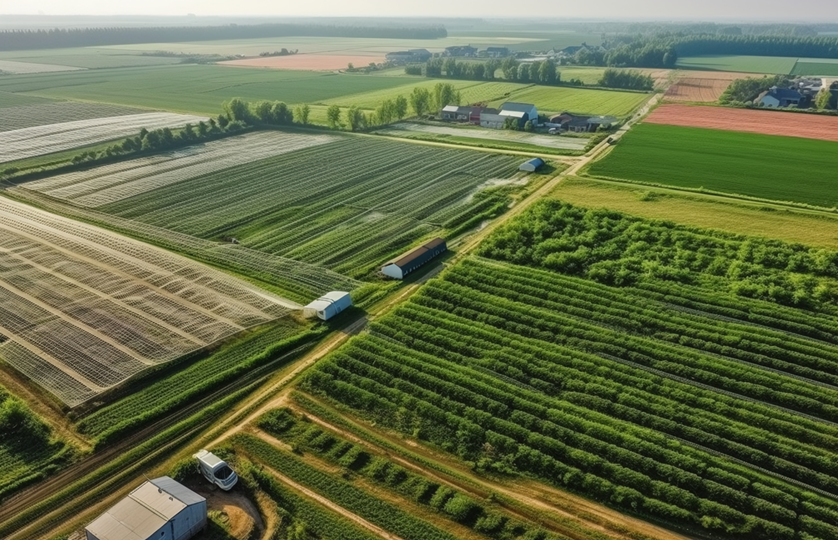
People’s Daily Online reports sweeping agricultural upgrades are reshaping saline coastal farmland across Tianjin’s Jinghai District on the western shore of Bohai Bay, where formerly unproductive salt-affected terrain now bears dense, plump wheat ears as the local dryland alkali wheat harvest draws near in early summer.
Coastal saline soil has long defined Tianjin’s arable land conditions and capped regional grain output, with historic high salt concentrations restricting viable crop varieties and dragging down traditional wheat yields across large stretches of underperforming farmland. Local agricultural authorities centre comprehensive saline land improvement within the national strategy of storing grain in land and technology, prioritising large-scale, high-quality and industrialised cultivation of dryland alkali wheat to unlock dormant production potential and reinforce regional food security foundations.
Selective breeding forms the core driver lifting grain yields on Tianjin’s saline plots. Cross-regional research cooperation spanning Beijing, Tianjin and Hebei has dismantled institutional barriers to agronomic experimentation, enabling continuous screening and domestication of wheat strains adapted to local saline soil and climatic conditions. Varieties including Cangmai 6002 and Xiaoyan 156 have settled successfully on reclaimed saline ground, while iterative upgrades to matched cultivation techniques move towards precision farming, eco-friendly management and digitalised field operation, fully reversing the historic pattern of volatile low yields and poor economic returns from saline cropping.
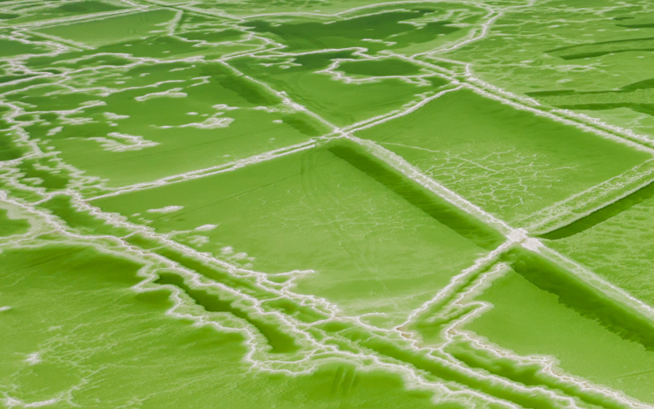
Alongside improved seed varieties, customised agronomic practices tackle inherent drawbacks of saline terrain such as recurring salt accumulation, poor soil fertility and limited water retention capacity. Engineered drainage ditches spread across farmland form a structured salt-leaching network to steadily reduce subsurface salt levels, supplemented by bio-fertiliser application, soil testing-based formulated fertilisation, deep ploughing and timely precision sowing alongside eco-conscious pest prevention protocols covering the full crop cycle. Such integrated field management has doubled per-unit wheat output across core growing zones in Jinghai, with demonstration plots consistently setting new production benchmarks. Consolidation of fragmented saline parcels into contiguous large-scale planting zones further unlocks agronomic benefits from intensive, unified field administration.
Natural growth conditions within saline soil endow locally grown dryland alkali wheat with superior nutritional profiles, marked by elevated protein and wet gluten content alongside abundant trace minerals essential for human consumption, securing steady market demand for the premium grain raw material. Industrial chains keep expanding to convert raw wheat into flour, noodles and baked goods, establishing a complete commercial framework covering seed breeding, bulk cultivation, intensive downstream processing and direct end-market distribution. A recent industrial matching event across the Beijing-Tianjin-Hebei region sealed a strategic production and sales agreement between a Hebei seed enterprise and a major food manufacturer, streamlining upstream and downstream resource allocation and translating improved field productivity into stable earnings for rural operators. Finished dryland alkali wheat produce now circulates widely across the Beijing-Tianjin-Hebei metropolitan cluster and domestic consumer markets nationwide, steadily elevating the footprint of Tianjin’s specialised grain brands.
Cross-administrative collaboration underpins sustained progress in saline land remediation, framed as a systemic initiative combining joint scientific research and coordinated industrial development across the Beijing-Tianjin-Hebei urban agglomeration. A joint field seminar focusing on high-standard dryland alkali wheat development unfolded simultaneously in Qing County of Hebei Province and Jinghai District of Tianjin on 25 May 2026, assembling over 160 representatives from regional agricultural regulators, research institutes, seed developers and food processing enterprises. Attendees inspected mature wheat crops at Tanzhuangzi planting base in Jinghai to observe practical gains from matched elite seeds and refined farming techniques, while in-depth panel discussions delivered updated breeding findings and standardised cultivation blueprints to align coordinated industrial expansion across three provincial-level jurisdictions.
Ongoing regular technical exchanges, shared research outcomes and coordinated product marketing keep amplifying the demonstrative value of Tianjin’s saline land rehabilitation framework. The city absorbs cutting-edge agronomic findings from Beijing and Hebei to refine domestic planting specifications, while exporting its mature know-how in soil improvement, large-scale field management and standardised wheat farming across the wider Bohai Rim. The proven cultivation model pioneered in Jinghai serves as a replicable practical template guiding efficient saline land utilisation throughout coastal northern China’s saline farmland belts.