Smart and eco-friendly unmanned farming model matures in Shandong with new industry standards
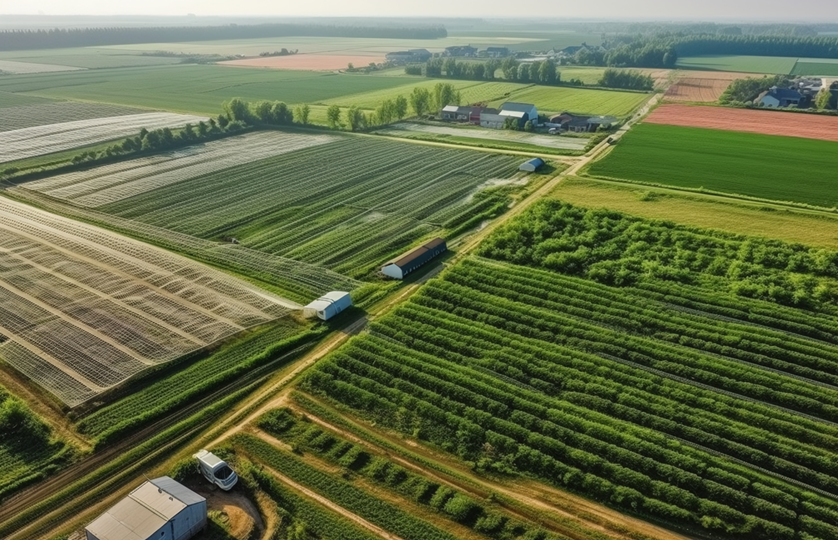
A full range of intelligent agricultural equipment has demonstrated unmanned field operations at an ecological unmanned farm in Zhutai Town, Zibo City, Shandong Province, showcasing the latest technological achievements after eight years of iterative upgrading. The display took place during the eighth Ecological Unmanned Farm Demonstration and Seminar, marking a mature, replicable modern farming model that integrates digital intelligence and green ecological concepts.
The farm has achieved comprehensive technological upgrading in unmanned operation capabilities. Early intelligent devices could only support basic straight-line automatic driving with manual intervention required for turns and field transfers. Current autonomous agricultural machinery can complete full-process operations including automatic lifting, independent steering, parallel working and obstacle avoidance, delivering stable and intelligent field performance. A cloud-based intelligent management platform enables remote unified scheduling of all field equipment, supporting whole-process unmanned management from sowing to harvesting.
Diversified intelligent robot systems form an integrated aerial and ground perception and operation network. Universal intelligent chassis equipment supports 360-degree in-situ rotation and adaptive wheelbase adjustment, adapting to various terrains and carrying multiple working tools to realise multi-scenario operational flexibility. High-precision mapping robots and remote sensing drones work in tandem to collect real-time crop growth and field data, providing accurate support for intelligent path planning and fine agricultural management. Miniature intelligent sowing robots are tailored for refined operation scenarios such as breeding fields and orchard rows, effectively alleviating agricultural labour shortages.
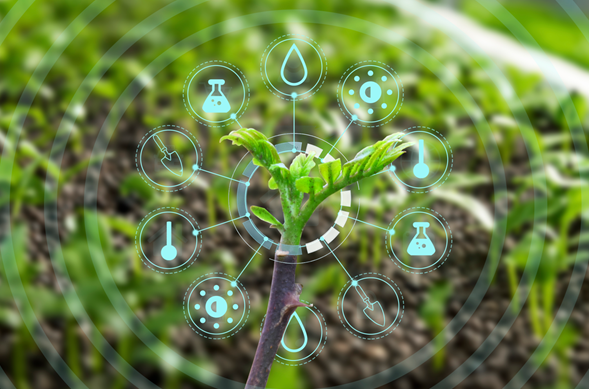
Green and low-carbon innovation constitutes a core feature of the upgraded farming system. The methanol range-extender driverless tractor serves as a key breakthrough, running continuously for five hours on a single methanol refuel with lower operating costs and noise levels than traditional diesel machinery. Self-developed plant protection devices further optimise ecological farming efficiency. Electrostatic pesticide spraying drones improve chemical utilisation rates and reduce drift pollution, while ozone water plant protection drones achieve sterile pest control with zero residues. Bionic bird-repellent drones adopt ecological deterrence methods without chemical harm to farmland ecology.
The farm has built a closed-loop ecological circulation production system since its launch in 2019. Ecological planting and biological pest control measures reduce chemical pesticide and fertiliser application. A connected system of smart farmland, pastures and fishery ponds realises graded recycling of tail water and rainwater, cutting groundwater exploitation and achieving zero waste and zero emissions in agricultural production.
Intelligent and ecological transformation brings substantial economic and ecological benefits. The farm has reduced pesticide, fertiliser and water usage by over 30 per cent and labour costs by more than 50 per cent, while raising operational efficiency and comprehensive economic returns. Its winter wheat yield has set new national records, enabling highly efficient large-scale farmland management with minimal labour input.
A new group standard for the construction of ecological unmanned farms under wheat-maize rotation systems was officially released at the seminar, filling the standardisation gap in this field. The specification provides systematic technical guidelines and evaluation criteria for industry development. The unmanned farming model has been promoted across multiple regions including Xinjiang, Northeast China and Jiangsu, covering diverse agricultural scenarios.
Continuous technological optimisation and industrial upgrading will be carried out in the future. Research teams will further upgrade methanol-powered agricultural machinery, expand miniature robot product lines and advance cluster collaborative operation technologies. Improved technical systems and industry standards will accelerate the large-scale promotion of ecological unmanned farming, drive the transformation of traditional agriculture towards precision, low-carbon and cost-efficient production, and bolster agricultural modernisation and food security.