Xinjiang’s Kalpin Boosts Characteristic Camel Industry for Rural Vitalisation
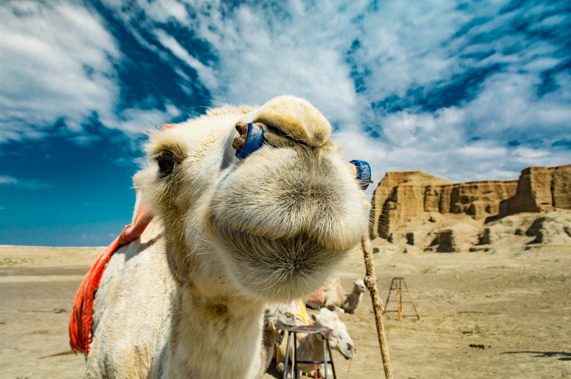
As temperatures rise across northwest China, Kalpin County in Xinjiang Uygur Autonomous Region enters the annual moulting season for camels. All 48,000 adult camels in the county are shedding fur naturally, creating a key window for local farmers to carry out professional shearing and cashmere collection work.
In mid-May, intensive camel fur harvesting operations are underway at local breeding bases. Herders complete standardised procedures including camel restraining, mane trimming and fine cashmere gathering with skilled and coordinated teamwork. Systematic seasonal shearing helps camels adapt to hot summer weather and maintain physical health, while high-quality camel cashmere serves as a lucrative specialty agricultural product that steadily increases household income for local breeders.
Kalpin County has leveraged its unique animal husbandry resources to develop distinctive camel-related industries in recent years. Local authorities continuously optimise breeding techniques and standardise cashmere collection processes, effectively improving the overall quality of local camel cashmere. Expanded market channels for finished products have greatly mobilised farmers’ enthusiasm for scientific breeding and seasonal fur harvesting.
Professional technical guidance has been widely implemented across rural areas. Local departments provide regular field services covering summer feeding management and standardised harvesting operations. Advanced processing techniques are promoted to raise product quality and added value, forming a standard industrial development system from breeding, harvesting to primary processing.
The county is committed to building a comprehensive camel industrial chain covering camel milk, camel meat and camel cashmere. By extending and improving the industrial chain, the region revitalises traditional animal husbandry and diversifies local agricultural product portfolios. The integrated development model enriches local industrial formats and consolidates stable income sources for rural residents.
Targeted industrial upgrading measures will continue to advance in follow-up work. Local authorities will further popularise scientific breeding and standardised cashmere collection technologies, refine product processing standards and enhance the market competitiveness of specialty camel products. The sound development of characteristic camel industries will continuously empower rural vitalisation and drive sustainable growth of rural economies in Kalpin County.