Smart Farming and Land Trusteeship Revitalise Spring Cultivation in Chifeng
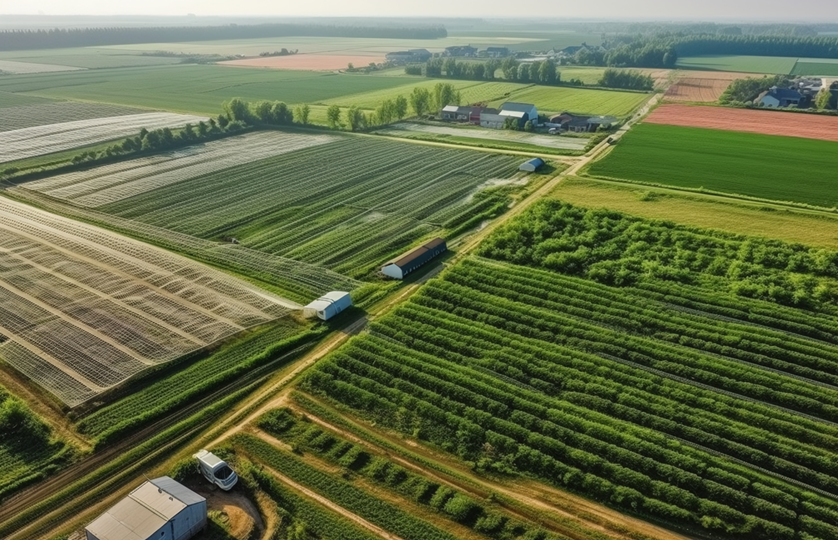
As temperatures rise across Inner Mongolia, Chifeng City has entered its peak spring farming period. Traditional labour-intensive farming methods are being replaced by mechanised and intelligent agricultural solutions, improving land utilisation and crop productivity across rural areas.
In Huangyuzi Village, Linxi County, thriving corn seedlings stretch across contiguous farmland under bright sunshine. The village has fully adopted a comprehensive land trusteeship model led by local rural cooperative organisations. Farmers sign standard trusteeship agreements to entrust their entire farming procedures, including sowing, field management, machinery operation and purchasing agricultural materials, to professional cooperatives throughout the whole growing cycle.
This operational model effectively addresses prevalent rural challenges such as scattered farmland plots and rural labour outflow. Local cooperatives integrate fragmented individual farmland and collective land to realise large-scale, unified mechanical farming. The village currently manages more than 700 mu of individual farmland and 300 mu of collective farmland. Centralised bulk purchasing of agricultural supplies lowers per-unit planting costs by around 20 yuan per mu, bringing tangible economic benefits for local households.

The innovative farming mechanism optimises rural labour allocation. Local farmers gain stable baseline land income from trusteeship while accessing nearby employment opportunities. Many residents engage in mechanical operation work within cooperatives, generating additional annual household income and diversifying rural revenue sources. Local authorities will further expand land trusteeship coverage and improve supporting services including grain warehousing, drying and sales systems to consolidate stable and high-yield farmland resources.
Intelligent agricultural technologies deliver substantial upgrades to field operations in Wengniute Banner. More than 1,000 mu of millet fields adopt Beidou navigation-guided seeding equipment, achieving high-precision and standardised sowing. The intelligent system ensures consistent row spacing and precise seed placement, eliminating land waste and reducing manual labour reliance during field cultivation.
Large-scale high-standard farmland construction provides solid infrastructure support for yield growth. Previously arid farmland suffered severe water and fertiliser loss with low grain output. After systematic transformation and refined scientific management, local millet yield has increased significantly, with per-mu output rising from 200 to 250 kilograms to 400 to 500 kilograms.
Chifeng City is accelerating the shift towards intensive and centralised agricultural production this spring. Local agricultural authorities promote advanced technologies including Beidou navigation positioning and intelligent machinery, alongside improved crop varieties to empower modern agriculture. Official agricultural monitoring data shows the city’s total spring sowing area reaches 21.25 million mu. By May 22, the sown area of staple crops such as corn, wheat and potatoes has exceeded 17 million mu, with spring farming procedures advancing steadily in an orderly manner.
The integration of land trusteeship reform and intelligent agricultural technology continues to reshape traditional rural production modes. Standardised large-scale management and precision farming technologies will continuously enhance regional agricultural production efficiency and stabilise local grain output capacity.