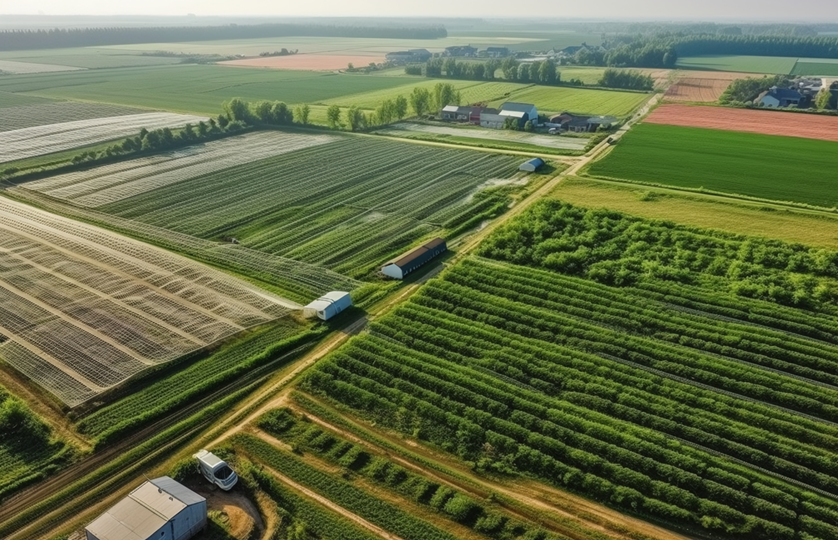
Hebei’s Malan Farm Becomes Popular Rural Classroom for High-quality Wheat Seed Technology
Tourist buses arrive daily at Malan Farm in Xinji City, Hebei Province, carrying groups of farmers from neighbouring and distant provinces including Shandong, Shanxi and Henan. Instead of sightseeing, these farmers travel to the professional demonstration fields to access premium wheat seeds and practical planting techniques, aiming to improve grain yields for future growing seasons.
Many grain growers return year after year to adopt improved local varieties. Farmers highlight the outstanding field performance of Malan No.1 wheat, featuring dense ears, strong lodging resistance and robust growth. The reliable agronomic traits drive continuous enthusiasm for seed renewal and technical learning across regional rural communities.
The farm’s growing reputation stems from its systematic seed breeding system developed in cooperation with local agricultural enterprises. A four-level purification and rejuvenation mechanism enables rigorous selection of superior single wheat plants, eliminating inferior individuals to stabilise and upgrade seed quality over successive generations. The site has cultivated a series of excellent wheat varieties covering water-saving, high-yield, high-gluten and specialised types to suit diverse cultivation needs.

Field breeding follows meticulous and scientific standards. Technicians select individual wheat plants with short, sturdy stalks, upright leaves and abundant ears to maintain superior genetic traits. Strict height control ensures stable field performance, with ideal wheat seedling height maintained between 60 and 65 centimetres. Comprehensive assessments of disease resistance and growth vigour mean less than one per cent of seedlings qualify for subsequent seed reproduction, securing pure and high-quality germplasm resources.
Advanced drought-resistant breeding achievements are fully displayed on-site. A three-metre-tall water-saving wheat specimen with more than 250 centimetres of dense root systems demonstrates strong soil penetration and water absorption capacity, supporting stable growth even under water-scarce conditions. The technological breakthroughs originate from decades of persistent research by local wheat breeding experts.
The farm promotes an integrated agricultural model combining new varieties, advanced technologies, modern equipment and professional farmer training. Beidou navigation tillage and sowing machines achieve precise field operations, while plant protection drones conduct accurate pesticide spraying according to preset routes. The coordinated application of fine seeds and advanced farming methods significantly improves cultivation efficiency and standardises field management.
Continuous technical output empowers rural agricultural upgrading. Farmers who visit the demonstration base take improved seeds and scientific planting concepts back to their hometowns to drive local agricultural optimisation. The systematic promotion of high-quality germplasm and standardised cultivation techniques will further stabilise grain production capacity and support sustainable rural development across northern China.