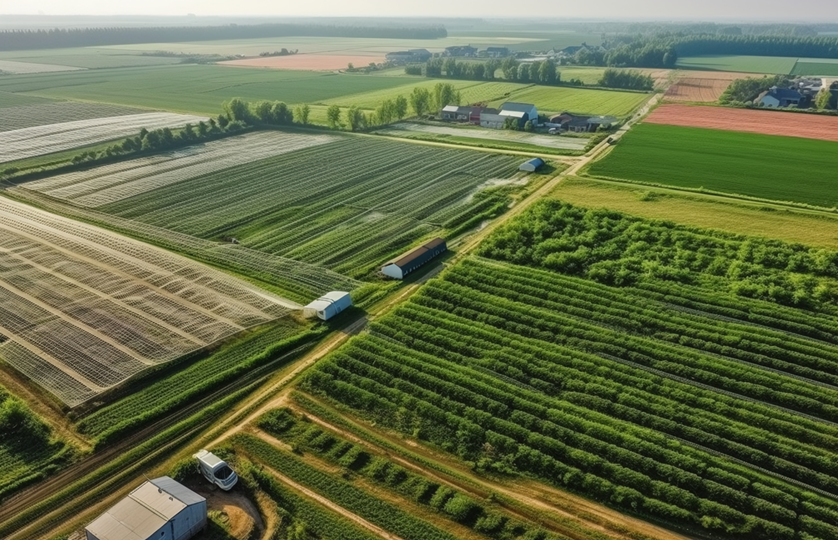
Revitalised Saline Land Yields First Rice Crop in Datong, Shanxi
Large areas of previously barren saline-alkali land in northern China have been transformed into fertile rice paddies through targeted ecological restoration and scientific agricultural upgrading. In Qiangkuangpu Village, Kouquan Township, Yungang District of Datong City, 150 mu of once unproductive saline land has been fully renovated and planted with rice seedlings, marking the first rice harvest cycle for the local wasteland.
For decades, the village’s land suffered from severe soil salinisation. Excessive salt content and hardened soil structure hindered crop growth, resulting in almost zero agricultural output. The arid land would crack severely in dry weather, with surface salt accumulation rendering traditional planting attempts ineffective. The degraded land remained idle for years, limiting local agricultural development and rural income growth.
Local agricultural authorities launched a systematic saline-alkali improvement project last year. Cooperating with professional agricultural teams from northeast China and local agricultural service cooperatives, the region adopted a tailored restoration solution integrating water conservancy salt leaching, soil conditioning and salt-tolerant crop adaptation. The comprehensive technical framework follows standard saline land restoration principles suited to northern inland climatic and soil conditions.
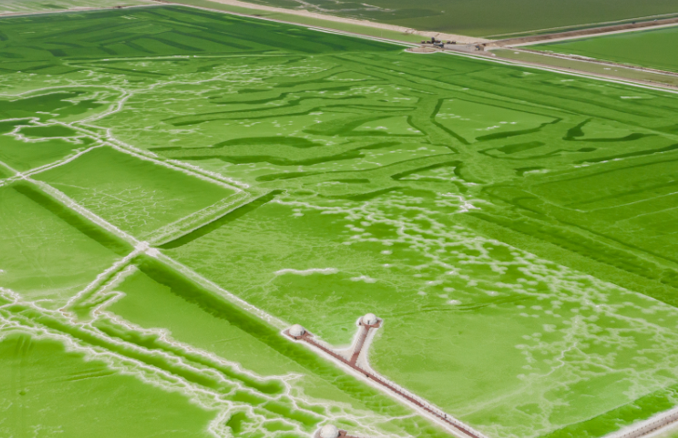
The renovation process adopts multi-stage ecological improvement procedures. Teams first constructed irrigation and drainage canal systems to flush excessive soil salt through cyclic freshwater irrigation, following the natural water-salt migration mechanism. Land levelling and deep tillage break hardened soil layers and improve soil permeability. Organic fertilisers and professional soil conditioners are then applied to optimise soil texture, gradually reducing salinity to the stable range suitable for rice cultivation.
Scientific seed selection complements soil renovation. High-quality salt-tolerant rice varieties from northeast China have been introduced for adaptive planting. Technical teams provide full-cycle guidance covering seedling cultivation, field soaking and standardised transplanting, ensuring stable seedling survival and growth in the renovated fields.
Rice transplanting work proceeds in an orderly manner across the renovated paddies. Technical staff monitor planting spacing and seedling depth while local villagers conduct seedling supplement and field arrangement work. The coordinated operation creates a vibrant rural farming scene on land once considered agriculturally unviable.
The saline land rice planting trial serves as a practical exploration for activating low-efficiency cultivated land in Yungang District. The introduction of mature external agricultural technologies enables local barren land resources to be fully utilised. The innovative planting model optimises regional agricultural structures, stabilises grain production capacity and expands sustainable income channels for local residents.
The local agricultural sector will continue to accumulate practical experience in saline land improvement and adaptive crop planting. Continuous technical optimisation and refined field management will further tap the productivity potential of renovated saline land, promoting sustainable development of modern ecological agriculture in northern Shanxi.