High-standard Terraces Boost Dryland Farming in Huining, Gansu
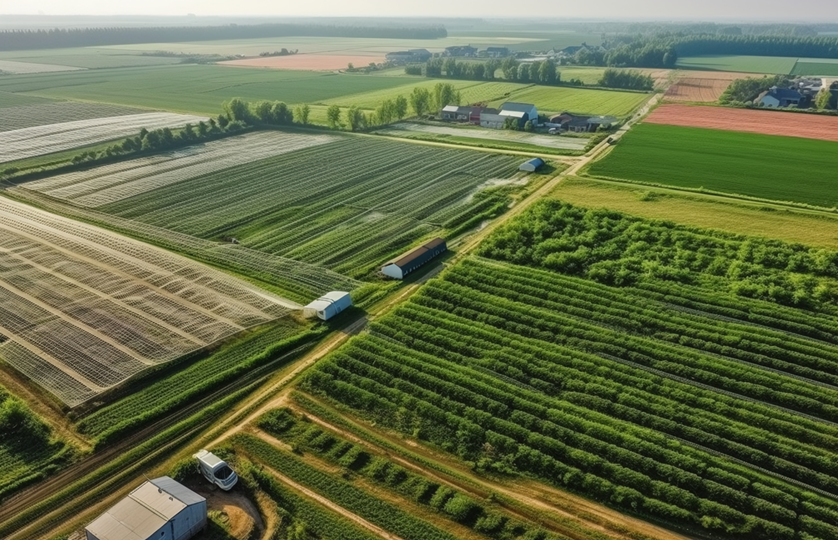
Huining County, located in the hinterland of the Loess Plateau in Baiyin City, Gansu Province, has long faced constraints on agricultural development due to arid climate and fragmented farmland. In recent years, local authorities have pressed ahead with the construction of high-standard terraces, transforming small scattered slope fields into large flat plots.
The ongoing works improve soil structure and enhance rainwater retention capacity. Supporting field roads are also being built, lifting the level of intensive land use. These developments enable large agricultural machinery to carry out mulching, sowing and other operations, underpinning stable yields and increased returns from dryland farming.
The county has carried out comprehensive land consolidation and soil improvement across wide areas. Slope-to-terrace projects convert low-yielding hillside plots into well-structured farmland, reducing soil erosion and improving moisture conservation. The “three-run fields” of the past, which lost water, soil and fertiliser, have become “three-conservation fields” that preserve all three.
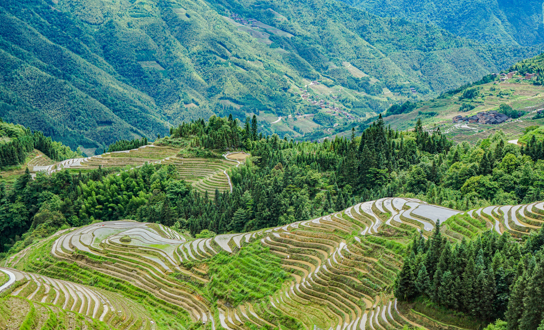
Modern irrigation systems are being deployed alongside terrace construction. Water-efficient drip irrigation and integrated water and fertiliser networks are installed in key areas, ensuring precise water supply and supporting sustainable farming. By the end of 2024, Huining had built over 536,000 mu of high-standard terraces, forming a modern farmland pattern with contiguous plots and accessible roads.
Mechanisation has become widespread across the county. Large machinery now handles mulching, sowing and harvesting on the new terraces, raising labour productivity and reducing production costs. The adoption of agricultural drones and intelligent monitoring equipment further supports scientific field management.
Huining has been implementing the strategy of “storing grain in land and technology”. The expansion of high-standard terraces underpins the county’s role as a major grain producer. In 2024, grain output reached 489,800 tonnes, providing strong support for regional food security.
The transformation from traditional scattered plots to modern intensive farmland continues. Huining will further optimise terrace layouts, improve irrigation infrastructure and promote advanced farming technologies, sustaining the steady development of dryland agriculture.