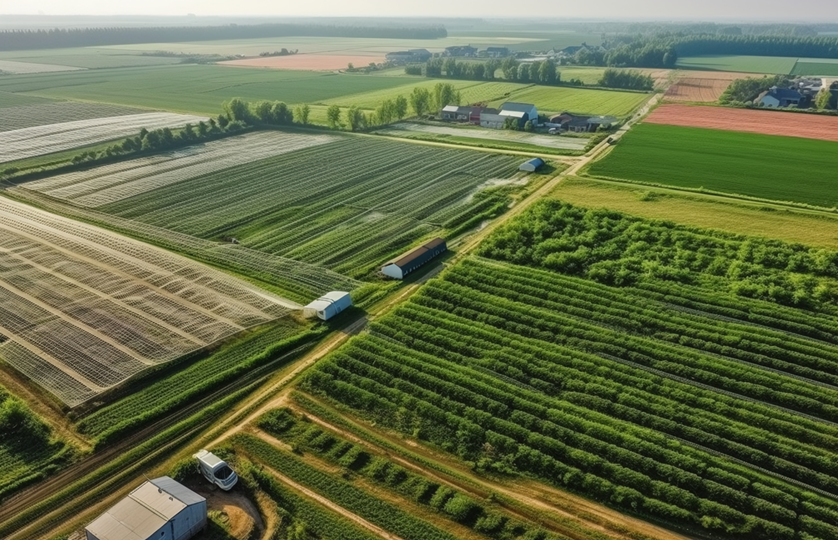
Qinghai to Expand Five 100-Billion-Yuan Agricultural Clusters in 15th Five-Year Plan
Qinghai prioritises coordinated growth of output, capacity, ecology and farmers’ income during the 15th Five-Year Plan period, focusing on five 100-billion-yuan industrial clusters for yak, Tibetan sheep, rapeseed, highland barley and wolfberry. The province also scales up cold-water fish and cool-season vegetable sectors, building a full industrial chain from standardised farming and deep processing to cold chain logistics, to deliver high-quality plateau produce nationwide and globally.
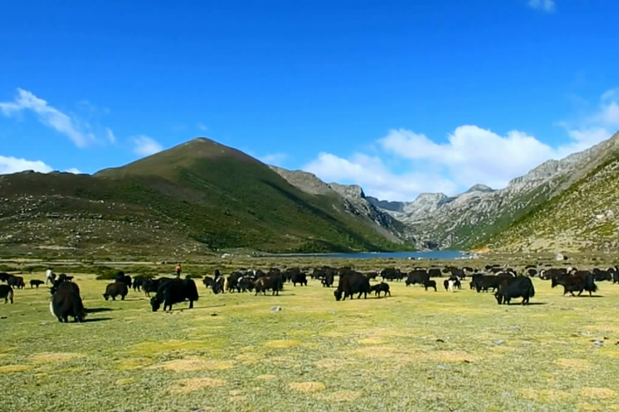
Qinghai’s highland agriculture leverages its pristine environment and cool climate. The five core clusters already boast a total output value exceeding 600 billion yuan, covering 35 counties and driving income growth for local households. Yak herds exceed 6 million head and Tibetan sheep 15 million, ranking first in China, supplying nearly 400,000 tonnes of high-quality meat annually.
Value addition extends across processing sectors. Yak by‑products include heart valves, bone peptide powder and donkey‑hide gelatin, while wolfberry plantations span 400,000 mu with organic cultivation accounting for 250,000 mu, yielding 100,000 tonnes of dried fruit annually. Rapeseed varieties developed in Qinghai dominate 85% of China’s spring rapeseed area and are exported to Mongolia and Central Asia.
The “dual cold” industries emerge as new growth drivers. Cold‑water fish farming in Longyang Gorge produces 19,200 tonnes annually, with frozen trout exported to 17 countries, accounting for 98.5% of China’s total similar exports. Cool‑season vegetables cover 600,000 mu, yielding 1.79 million tonnes, with 10,000 tonnes supplied to Hong Kong each year.
Infrastructure upgrades underpin industrial expansion. The province advances standardised planting and breeding bases, constructs modern processing facilities, and develops integrated cold chain logistics systems. Border inspection channels and green customs clearance procedures cut export time by half, supporting timely delivery of perishable goods.
Market access expands through quality certification and brand building. Qinghai’s agricultural products gain international recognition for purity and safety. Cold‑water fish exports reach Southeast Asia within 24 hours, while cool‑season vegetables are sold in 14 countries and regions.
Ecological protection remains central to agricultural development. Qinghai balances resource utilisation and environmental conservation, adhering to green production standards throughout the industrial chain. Sustainable grazing practices and pollution‑free processing maintain the ecological advantages that underpin product quality.
As the 15th Five-Year Plan unfolds, Qinghai strengthens its position as a premium supplier of highland agricultural products. The integrated development of farming, processing and logistics enhances competitiveness, while ecological sustainability ensures long‑term viability. The province continues transforming its ecological advantages into industrial strength, delivering “pure land treasures” to global markets.