Shandong’s Gaomi Transforms Saline Land Into High-yield Grain Fields Via Tech and Institutional Innovation
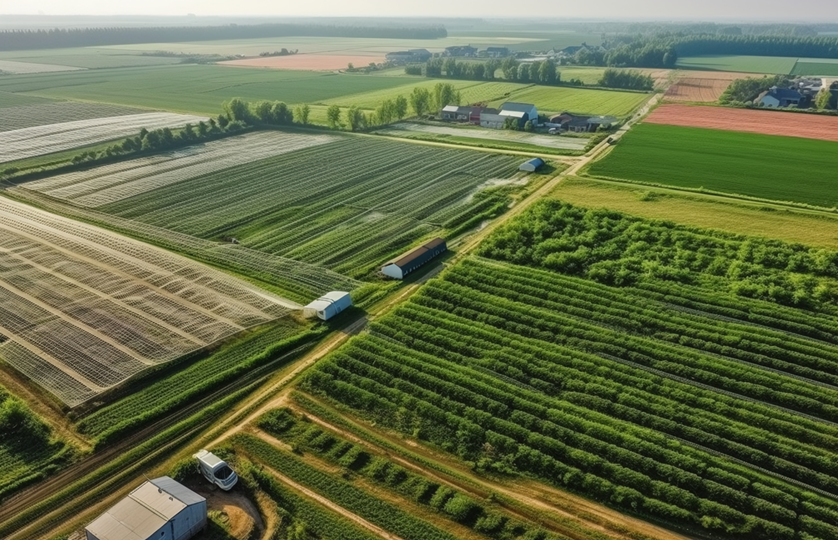
Once plagued by saline-alkaline soil, waterlogging and fragmented farmland, rural plots in Dajia Town, Gaomi City in Shandong Province have undergone a remarkable transformation. Barren and low-yield land has been upgraded into fertile high-standard farmland, delivering steady grain output growth and substantial increases in rural household income through systematic institutional reform, technological upgrading and industrial chain extension.
Since its establishment in 2020, the local Zhanjia Village farming cooperative has reversed decades of low agricultural productivity. Current data shows local wheat yields reach 1,214 jin per mu on average, while corn output hits 1,400 jin per mu. The upgraded farming model generates over one million yuan in annual income growth for local villagers, marking a remarkable turnaround for previously unproductive saline land.
The core of the transformation lies in an innovative dual-share model, which introduces collective infrastructure and villagers’ land management rights as equity stakes. The mechanism revitalises idle collective public facilities and consolidates scattered small plots into contiguous farmland. It eliminates barriers between fragmented fields, completes supporting water, power and road infrastructure, and resolves the inefficiencies caused by dispersed household farming.
Scientific soil improvement and precision farming technologies further underpin yield growth. The cooperative partners with university agricultural experts to conduct regular field surveys and formulate targeted fertilisation plans based on real-time soil monitoring data. To curb secondary soil salinisation caused by traditional flood irrigation, over 10,000 metres of underground pipelines were laid in 2023 to promote integrated water and fertiliser management. The precision drip irrigation system cuts water usage by 30 percent, fertiliser consumption by 20 percent and labour input by 70 percent, achieving efficient and eco-friendly agricultural production.
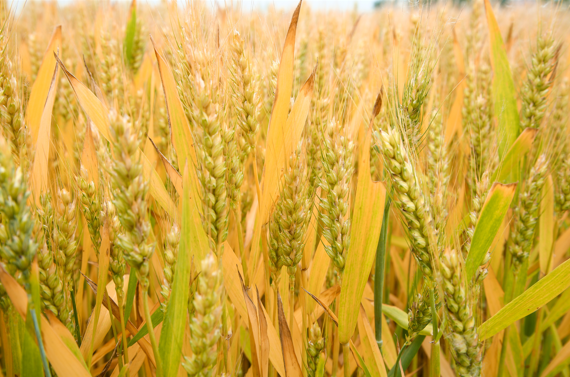
Optimised crop selection and full mechanisation provide solid support for stable high yields. Salt-tolerant, high-quality wheat and corn varieties are adopted and scaled up across expanding planting areas. The cooperative has invested over 800,000 yuan in purchasing advanced agricultural machinery, building a full-process mechanised operation system that effectively avoids yield losses from delayed farming procedures and insufficient manual labour.
A multi-layer benefit distribution system ensures rural households share tangible gains from agricultural upgrading. The cooperative offers guaranteed minimum returns for contracted land, fully retains national agricultural subsidies for farmers, and distributes a large proportion of annual profits to villagers and the village collective. Optimised profit-sharing rules enable local families to gain stable land dividends plus salaries from on-site farming work, greatly boosting household disposable income.
Adopting a collaborative operation model combining collective self-management and professional outsourcing, the cooperative undertakes core planning, breeding and technical guidance work, while entrusting labour-intensive farming procedures to specialised agricultural service enterprises. This flexible arrangement allows villagers to either take local farming jobs or pursue external employment, diversifying income sources. Systematic technical training programmes are also rolled out to cultivate skilled modern farmers and strengthen independent rural development capacity.
The agricultural upgrading effect has expanded beyond individual villages. Led by the Zhanjia cooperative, six neighbouring villages have formed a comprehensive rural revitalisation cluster, covering 18,000 mu of unified high-quality wheat planting areas. Unified seed selection, technical guidance and order-based sales bring stable premium prices for farm produce. Supporting facilities including a 5,000-ton grain warehouse and local food processing workshops have been built to extend the industrial chain, reduce post-harvest losses, create local jobs and further consolidate the region’s position as a high-standard modern grain base.