Baodi Leverages Ecology and Technology to Build Modern Agricultural Highland in Tianjin
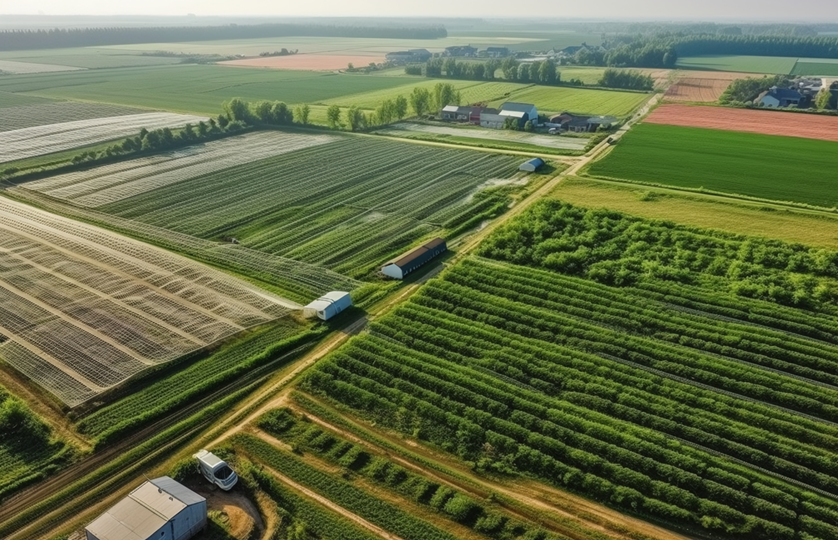
Tianjin’s Baodi District is undergoing a profound transformation in modern agriculture, driven by ecological advantages and technological innovation, as it advances its bid to build a national agricultural high-tech industrial demonstration zone. Marking a key initiative in the opening year of the 15th Five-Year Plan period, the upgrade reshapes local traditional farming practices, unlocks industrial value and charts a sustainable path for rural revitalisation.
Nurtured by the clear waters of the Chaobai River, a major water system spanning Beijing, Hebei and Tianjin, Baodi boasts unique ecological conditions ideal for premium agricultural production. The 52.4-kilometre Baodi section of the river features stable Class III water quality and distinctive low-lying wetland ecology, laying a natural foundation for high-quality farm produce. As a national "Lucid Waters and Lush Mountains are Invaluable Assets" practice and innovation base, the river basin has evolved into a signature ecological landmark and a popular leisure destination for residents across the Beijing-Tianjin-Hebei region.
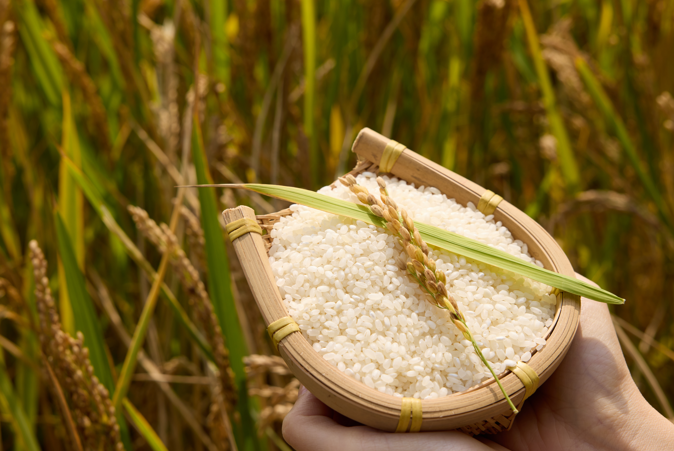
Superior water and soil resources have fostered a diverse array of specialised local products. Huangzhuang Rice, a certified national geographical indication product, stands out with translucent grains and a sweet aftertaste, exclusive to Baodi’s unique land and water conditions. Beyond premium rice, the river’s riparian areas form a distinctive agricultural belt featuring one signature product per town. Large-scale peach orchards in Dongkou Town host annual blossom festivals to boost rural tourism, while Lintingkou Town’s special crops including red garlic and green shallots gain wide market recognition. Xin’an Town’s leek base achieves zero pesticide residues through green prevention and control cooperation with Tianjin Academy of Agricultural Sciences, securing access to major Beijing-Tianjin-Hebei supermarkets and driving substantial income growth.
Rice cultivation remains the core pillar of Baodi’s agriculture. Datangzhuang Town promotes high-quality rice varieties with intelligent and mechanised farming methods, while Bamencheng Town, a core demonstration zone for Tianjin’s traditional small-station rice, preserves rare varieties and maintains 90,000 mu of rice fields. The district’s ecological industrialisation model integrates farmland cultivation with rural tourism, diversifying economic returns from land resources.
Technological empowerment is injecting new quality productive forces into Baodi’s agricultural sector, ending the traditional reliance on weather-dependent farming. The district is accelerating the construction of agricultural science and technology platforms to support its high-tech zone development. The Tianjin Rice Innovation Platform of Yazhouwan National Laboratory has commenced construction, bringing national-level research capabilities for rice breeding and optimisation. Over ten key agricultural innovation projects, including intelligent water-saving irrigation and radiation breeding laboratories, have secured cooperation intentions.
A 1-square-kilometre pilot zone for agricultural innovation is under rapid development, designed as a hub for technological demonstration and industrial incubation with comprehensive display capabilities set to be completed in July. Baodi has built 43 municipal-level agricultural science and technology platforms and cultivated 31 agricultural high-tech enterprises. Leveraging the upcoming China International Agricultural Machinery Exhibition in Tianjin, the district is advancing research in cutting-edge fields such as breeding robots and intelligent equipment control to build a regional intelligent agricultural innovation hub for the Beijing-Tianjin-Hebei region.
Baodi’s development strategy focuses on absorbing technological spillovers from Beijing and Tianjin, restructuring agricultural production through innovation and consolidating green development via ecological strengths. The district prioritises steady improvements in product quality, intelligent farming upgrades and sustainable income growth for rural residents. Moving forward, it will continue to deepen agricultural technological innovation, optimise industrial structures and translate ecological and technological advantages into tangible rural development outcomes.