Spring Seedling Cultivation Underway in Ping'an District, Haidong: 6 Million Selenium-Enriched Seedlings Hit Market
As early spring arrives, Ping'an District in Haidong City, Qinghai Province, has seized the crucial period for spring ploughing to advance vegetable seedling cultivation in an orderly manner. With a focus on ensuring stable annual vegetable production and increasing farmers' income, the district has made careful overall planning for the vegetable industry layout, launching seedling cultivation work promptly. Currently, 6 million selenium-enriched fruit and vegetable seedlings have been put on the market for sale.
Xinhua News Agency reports that Ping'an District has long been committed to the high-quality development of its vegetable industry, taking spring preparation as a key priority in agricultural production. The district has targeted efforts at agricultural material guarantee, facility upgrading, technical services, and the connection between production and sales, refining measures and consolidating responsibilities to efficiently promote spring seedling cultivation.
A visit to the Baishengou Selenium-Enriched Fruit and Vegetable Planting Base in Ping'an District reveals neatly arranged greenhouses. Inside Meng Lingxiao’s seedling greenhouse, he was busy watering tomato seedlings. With over a decade of experience in greenhouse planting, Meng shared his journey while working. He and his wife initially contracted four greenhouses to trial-grow watermelons and horned melons. After achieving good returns from the successful trial, they now rent 14 greenhouses—10 of which are used to cultivate more than 20 types of fruits and vegetables, including colored peppers, watermelons, baby pumpkins and organic cauliflower, with a total of 5 million seedlings. The remaining four greenhouses are dedicated to fruits and vegetables for tourists to pick.
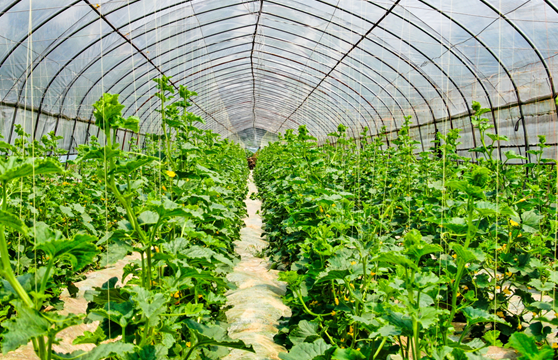
At present, eight enterprises including Xiongwei Seedling Base and Baishengou Vegetable Planting Park are engaged in seedling cultivation. They operate 18 standardized seedling greenhouses and 2 seedling tunnels, growing more than 20 varieties such as colorful peppers, cucumbers and cherry tomatoes, with a total of 6 million seedlings.
To support the development of the seedling industry, the district has implemented targeted policy incentives. Relying on the provincial intensive seedling project, it has distributed 200,000 yuan in seedling purchase subsidies. This measure not only stabilizes seedling prices and stimulates the vitality of the seedling market, but also reduces the planting costs for farmers.
In terms of market expansion, Ping'an District has leveraged its "plateau selenium-enriched" brand to establish precise connections with surrounding markets. High-quality seedlings are sold to Xining, Datong, Ledu, Huzhu and other places, building stable production and sales channels. The seedling industry is expected to achieve an output value of 300,000 yuan this season.
Additionally, the "enterprise + farmer" model has been adopted to drive more than 40 local villagers to find employment nearby, helping them increase their income through industrial development. Xinhua News Agency notes that Ping'an District, located on the Qinghai-Tibet Plateau, is endowed with unique selenium-enriched soil resources, which give its fruits and vegetables distinct quality advantages. This has laid a solid foundation for the development of the local seedling industry and agricultural industrial upgrading.
Meng Lingxiao expressed his confidence in the future development of the seedling industry. "With policy support and the advantages of selenium-enriched resources, our seedlings are well-received in the market," he said. "We plan to expand the scale of seedling cultivation next year and introduce more new varieties to meet market demand."
The spring seedling cultivation work in Ping'an District not only lays a solid foundation for stable vegetable production throughout the year, but also reflects the district's efforts to promote rural revitalization and improve farmers' well-being. The orderly progress of seedling sales and the continuous expansion of the industrial chain have brought tangible benefits to local farmers.