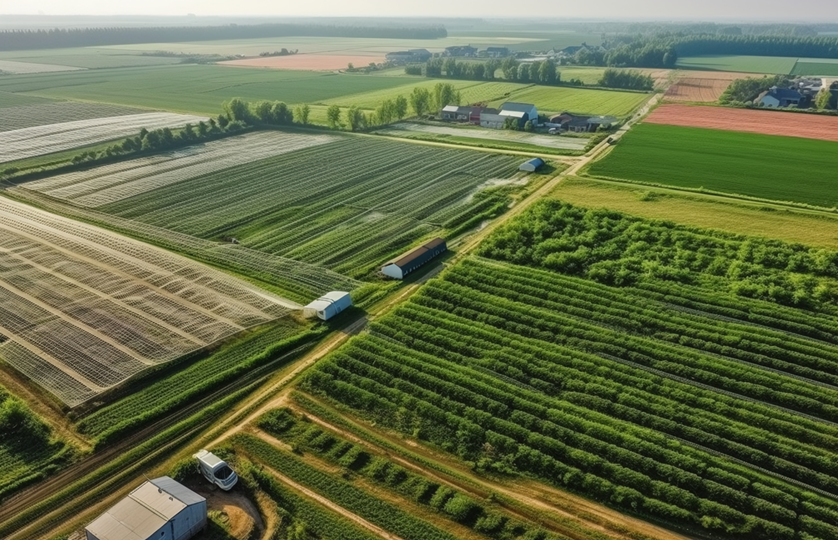
Linqu County Builds World-Class Landes Goose Industry Cluster, Dominating 70% of China's Foie Gras Output
LINQU, April 22 — For decades, Linqu County in east China's Shandong Province has nurtured a thriving specialty industry centred on Landes geese, transforming a French-originated agricultural breed into a pillar of local high-quality development and a global supplier of premium foie gras. With systematic planning, brand building and technological innovation, the county has established a fully fledged industrial chain that now accounts for 70 percent of China's total foie gras production.
Xinhua News Agency reports that Linqu's journey began in the late 1980s, when the county first introduced purebred Landes geese from France. Benefiting from favourable climatic and soil conditions similar to France's Landes region, the industry has expanded steadily over nearly 40 years. Today, the county slaughters 5 million Landes geese annually, producing more than 5,000 tonnes of foie gras, which represents 70 percent of China's domestic output and 20 percent of the global supply. The entire industrial chain is valued at over 8 billion yuan (about 1.13 billion U.S. dollars).
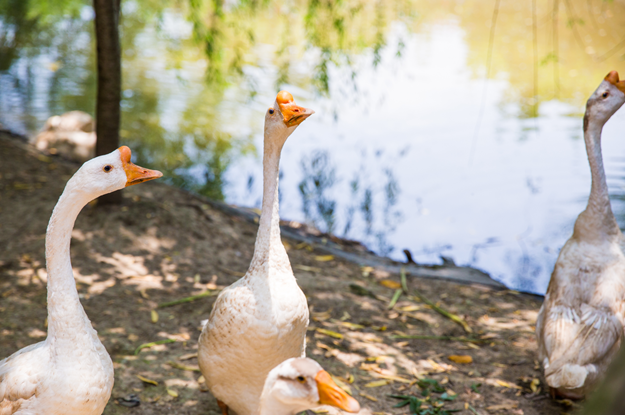
At the core of Linqu's success is a comprehensive industrial ecosystem spanning breeding, farming, fattening, intensive processing, research and marketing. The county is home to 105 processing and supporting enterprises and more than 3,400 farming entities. Leading firms such as Shandong Zunrun Sanrougey Food and Shandong Chunguan Food have set industry benchmarks, with Chunguan alone boasting an annual processing capacity of 3,000 tonnes, the largest in China.
To strengthen industrial competitiveness, Linqu has prioritised technological innovation and germplasm security. In May 2025, the county imported 1,260 grandparent breeding geese from France—the largest such shipment in China's history—addressing long-standing issues of breed degradation. Local authorities have also launched provincial-level research programmes, established laboratories with Shandong Agricultural University and other institutions, and secured six patents in disease-resistant gene marking and specialised vaccine development.
The county has adopted a "company + cooperative + base + farmer" model that integrates smallholders into modern agriculture. This system provides unified goose chicks, feed, technical training and marketing services, ensuring quality control and traceability while boosting rural incomes. More than 6,000 residents are employed in the sector, with participating households earning an average annual increase of over 120,000 yuan.
Linqu's foie gras products—including classic foie gras, pâté, wine-infused preparations and innovative items like foie gras dumplings—supply over 30 Chinese provinces and export to the European Union, Japan and Southeast Asia. The local government has incorporated the industry into its 100-billion-yuan specialty livestock and prepared food sectors, established an industry association and implemented production standards to promote standardised development.
According to Wei Shujuan, director of Linqu County Bureau of Agriculture and Rural Affairs, the county will continue to enhance its industrial chain, advance technological innovation and expand global market presence. By elevating product quality and brand influence, Linqu aims to consolidate its position as a world-class foie gras production base and drive sustained rural revitalisation through high-value agricultural development.