Beijing-Tianjin-Hebei Launches Digital Empowerment to Solve Fresh Corn Price Dilemma
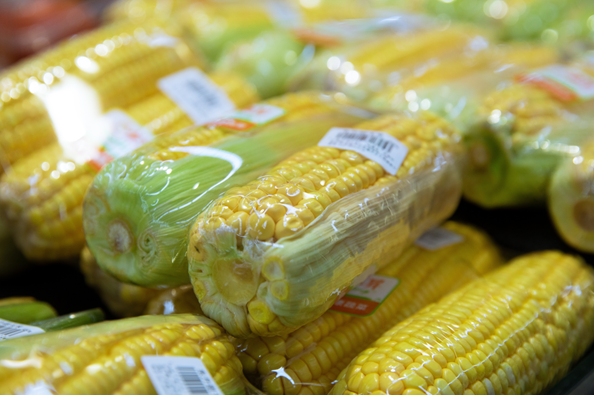
China’s fresh corn industry is entering a period of rapid development, but the price "low season" caused by concentrated listing has become a key challenge restricting farmers’ income increase and the steady development of the industry. China Economic News reported that the national planting area of fresh corn has exceeded 10 million mu, becoming an important industry for farmers to increase their income and get rich.
Recently, the Beijing Digital Agriculture and Rural Promotion Center, together with relevant departments in Tianjin and Hebei, jointly organized the 2026 Q1 Beijing-Tianjin-Hebei Fresh Corn Production and Marketing Situation Consultation Meeting to assess the situation and launch systematic solutions. The meeting focused on introducing and initiating the full-chain digital empowerment work for fresh corn, aiming to reshape the industrial ecology through digital technology and solve the dilemma of "increased production but not increased income".
The consultation meeting pointed out that the consumption and production scale of fresh corn in the Beijing-Tianjin-Hebei region has continued to grow, but the structural contradiction of highly concentrated listing periods is prominent. Data shows that from July to October every year, the cumulative listing volume of fresh corn in wholesale markets in the region accounts for 60% of the annual total, directly leading to the lowest product prices of the year between July 10 and October 14, putting farmers and production enterprises at significant risk of seasonal price declines.
To address this problem, the Beijing Digital Agriculture and Rural Promotion Center has taken the lead in formulating a work plan for full-chain digital empowerment of fresh corn, planning to make concerted efforts in six key links of the industry. In the pre-production stage, it will strengthen market forecast and research, carry out "digital market interpretation", provide pre-emptive information services for production entities, and guide them to reasonably arrange planting stubble, scale and listing time to avoid the risk of concentrated listing from the source.
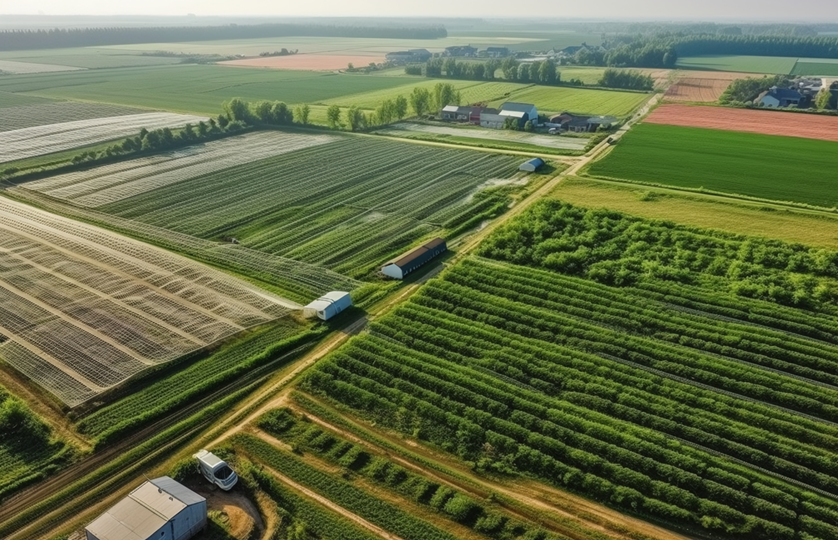
In the production link, high-yield cultivation technologies will be digitized and modeled, and the "Digital Beijing Farmland" management and control platform will be promoted in large-scale bases to achieve cost reduction and efficiency improvement through intelligent operations. In the breeding and circulation links, the plan proposes to collect new variety data and implement "one variety, one code" to provide scientific reference for seed selection.
It will also integrate resource information such as cold storage and processing lines to guide commercialization. At the market end, efforts will be made to connect with leading e-commerce platforms and offline markets to cultivate Beijing’s characteristic fresh corn brands. In addition, a special industrial service version will be built relying on the "Beijing Agricultural Service" system, integrating agricultural conditions, meteorology, production and sales data to draw an industrial "one map".
The launch of this full-chain digital empowerment marks a new stage in the collaboration of the Beijing-Tianjin-Hebei fresh corn industry, moving from traditional information communication to in-depth integration driven by data. It aims to create a replicable and promotable model of digital empowerment for the agricultural industry, providing a new solution for ensuring the stable supply of important regional agricultural products and promoting farmers’ income increase.