Helan Mountain East Foot: From Gobi Desert to a World-Class Wine Destination
Along National Highway 110 in Ningxia, vineyard signs and sprawling grape fields come into sight at intervals. Stretching nearly 200 kilometers at the eastern foot of Helan Mountain, 606,000 mu of wine grape plantations have turned the once barren Gobi into a "purple business card," living up to the ancient Tang poem "Orchards thrive at the foot of Helan Mountain" written over 1,100 years ago.
Sharing the same latitude (37°N to 39°N) with world-famous wine-producing regions, this area accounts for nearly 50% of China’s domestic chateau wine output, with an annual filling capacity of 140 million bottles, according to People’s Daily. Its wines have won more than 1,300 international awards, accounting for over 60% of China’s total awards in international wine competitions in recent years, and are exported to more than 40 countries and regions.
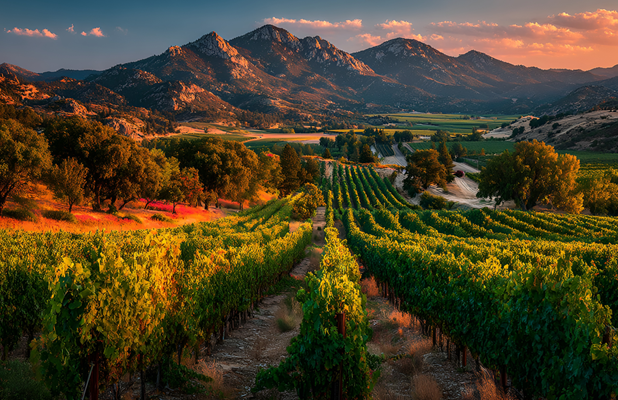
"It’s a God-given industry," said Li Jun, director of Ningxia Helan Mountain East Foot Wine Industry Park Administration Committee. Since Ningxia produced its first bottle of dry red wine in 1984, the industry has developed steadily. In 2012, the regional government issued a special regulation to protect the producing area, and successive governments have prioritized it as a characteristic advantageous industry.
The industry has also become a prosperity-driven project for immigrants. Covering about one-third of Ningxia’s immigrant population, its planting bases drive over 120,000 jobs annually and generate more than 1.2 billion yuan in labor income. "Forty thousand mu of plantations are transformed from Gobi wastelands, building a green ecological barrier," Li added. Liu Li, production director of Lilan Chateau in Minning Town, grew from a migrant worker to a professional after working at the chateau.
Precision and dedication define the industry. At Great Wall Talent Chateau, sensors monitor soil temperature, humidity and wind direction, sending data to a digital platform that stores nearly 70 million entries for frost warning and pest control. "Good wine is grown, not made," said Du Zhenjiang, the chateau’s director. Farmers have spent years improving Gobi soil, removing stones and adding sheep manure to ensure quality.
Chateaus are innovating to attract consumers. Xige Chateau launched canned wines priced around 100 yuan, catering to young people and outdoor scenes. Wu Xiuyong, chief winemaker at Dongfang Yuxing Chateau, won Decanter’s "Newcomer of the Year" in 2025 for his diverse fermentation techniques. E-commerce has boosted sales: in 2025, Ningxia wine sales rose 97% on Douyin, 10% on Taobao and 7% on JD.com, according to China Business News.
With over 130 chateaus and abundant talents, the industry is embracing agri-culture-tourism integration. "Confidence is the most precious," said Zhang Yanzhi, director of Xige Chateau. "Adhering to long-term brand building will bring a spring to the industry." The once desolate Gobi is now nurturing a "purple dream," leading China’s wine industry to shine on the world stage.