Laixi’s Carrots: From Black Soil to Global Markets, a 30-Year Story of Prosperity
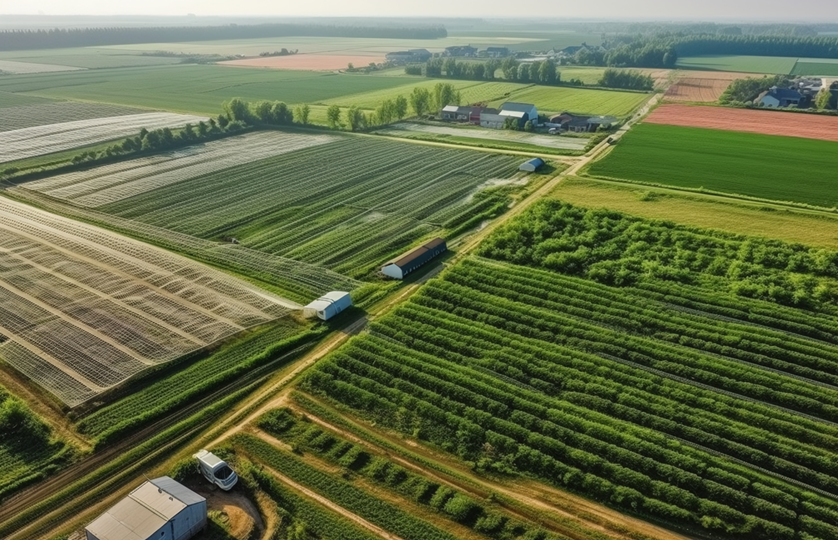
In Dianbu Town, Laixi City of Shandong Province, rows of neat greenhouses stretch across the fertile black soil where the Dagu, Xiaogu and Wugu rivers converge. Inside, crisp, bright-red carrots thrive—a humble vegetable that has grown from a single seed three decades ago into a "golden carrot" industry worth over 1 billion yuan annually, feeding both domestic and global markets.
Li Maoyue, one of the first local farmers to grow carrots in the early 1990s, recalls how merchants were drawn to the area’s produce. "Laixi carrots stand out for their ‘three reds’—red skin, red flesh and red core," he said. "With a stable sugar content above 7%, they are crisp and sweet when eaten raw." The unique black clay here, enriched by river sediments, gives the carrots straight roots and a perfect shape, laying a solid foundation for their success.
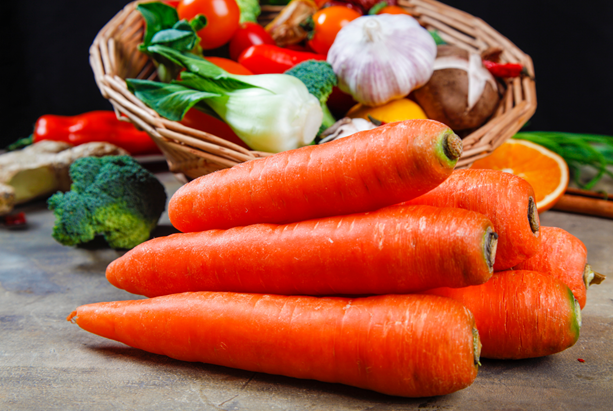
To move beyond natural advantages, Laixi has focused on seed improvement. Cooperating with China Agricultural Group, local farmers have conducted cold-induced planting experiments. "Our ‘Zhenjiuhong’ variety, after cold treatment, yields up to 7,500 kilograms per mu this year, far exceeding the usual 5,000 to 6,000 kilograms," Li added. Since 2010, Dianbu carrots have obtained national geographical indication and green food certifications, and been named a "National Famous, Special and High-Quality Agricultural Product" four times.
Today, Laixi’s carrot industry covers 3,333 hectares, with annual sales exceeding 600,000 tons, 360,000 tons of which are exported—accounting for 30% of China’s total carrot exports, according to China Daily. Products are sold to Japan, South Korea, Southeast Asia and the Middle East, benefiting from the growing demand for high-quality Chinese agricultural products in these regions.
The industry has also spread its expertise nationwide. Zhao Yi, secretary-general of Laixi Dianbu Vegetable Association, has helped replicate Laixi’s planting techniques in Fujian. "We developed a ‘two-row plus drip irrigation’ method suitable for southern climates, allowing carrots to hit the market 20 days earlier," he said. Local Fujian farmer Xu Caifeng praised the technique, noting it brings valuable pricing power during the peak season.
Laixi has further expanded its industrial chain with deep processing and digital support. In late 2025, China’s first carrot price index was launched here, helping farmers shift from "relying on the weather" to "relying on data," said Yin Qili from Laixi Development and Reform Bureau. Cooperating with Qingdao Youtian Agricultural Development Co., Ltd. and Jinan Hucui Agricultural Co., Ltd., Laixi has also launched 100% pure carrot juice with a one-month shelf life.
"With online live streams and offline sales, our annual carrot sales exceed 600,000 tons," said Li Xiangbo, mayor of Dianbu Town. "We will continue to promote industrial upgrading, making Laixi’s carrot industry more large-scale, standardized and branded in the future."