Smart Irrigation Boosts Grain Production in Zhuangwu Village, Qingdao
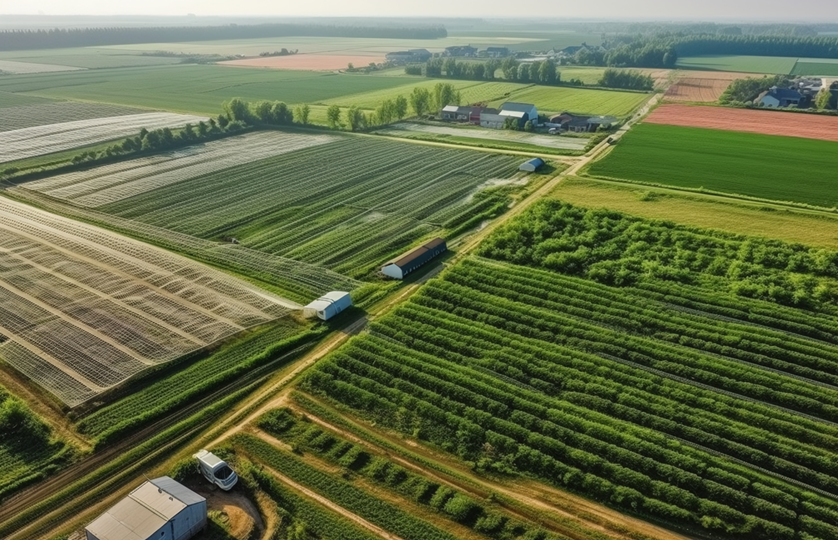
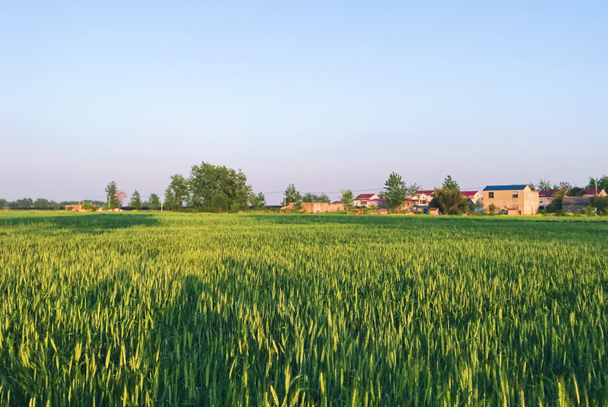
In April, the countryside is bathed in spring warmth. In the Green Grain Increase Pilot Zone of Zhuangwu Village, Lancun Sub-district, Jimo District, Qingdao City, Shandong Province, wheat seedlings dance gently in the breeze, forming a rippling green field. In the fields, rows of fixed boom water-saving irrigation facilities are operating precisely, with fine water mist weaving into colorful rainbows under the sun, painting a picture of "technology dancing with nature" during spring ploughing.
Inside the pump house, Wang Desheng, Secretary of the General Party Branch of Zhuangwu Village and person in charge of the base, tapped his mobile phone screen lightly. Following the instruction, water and fertilizer sprayed out from the self-rotating nozzles hundreds of meters away in the fields, reaching the roots of the wheat seedlings simultaneously.
"In the past, we used flood irrigation, which required people to rush back and forth in the mud. It took at least 10 days to irrigate these 600 mu of land, which not only wasted a lot of water resources but also failed to realize the integration of water and fertilizer," Wang said, holding a handful of moist soil with joy. The newly built intelligent pump station, underground water pipeline network, soil moisture monitoring system and water-fertilizer integration batching system have built a "smart neural network".
According to Guangming Net, a 35,000-square-meter reservoir east of the wheat field collects and filters rainwater in the rainy season, serving as an exclusive water source for farmland. When crops need water, intelligent water pumps extract rainwater from the reservoir to the water-fertilizer integration system, automatically completing fertilization and irrigation.
"The soil moisture monitoring system is the sensitive 'perceptual terminal' of this 'neural network'," Wang introduced. Sensors for soil humidity, temperature and electrical conductivity are carefully buried at different soil depths in the fields, collecting key data 24 hours a day and uploading it to the smart agriculture cloud platform in real time through the Internet of Things technology.
The water-fertilizer integration batching system in the pump house acts as the "intelligent core" of the "neural network". Based on crop types, growth cycles and real-time soil data, it automatically calculates the optimal ratio of nitrogen, phosphorus, potassium and various trace elements, avoiding seedling burn from excessive concentration and ineffectiveness from insufficient concentration.
This modern agricultural "neural network" has technologically empowered the entire irrigation chain, saving time, labor and money while significantly driving grain production. In 2025, the per mu yield of wheat in this demonstration field reached 886.9 kilograms, setting a new record in Qingdao’s history.
Li Songjian, a senior agronomist from Qingdao Agricultural Technology Center, sighed, "The transformation from traditional flood irrigation with 'mud on both feet' to intelligent control at fingertips and cloud-based smart irrigation has only taken a few short years." He added that the innovative precision drip irrigation and water-fertilizer integration technology has achieved water saving of 30%, fertilizer saving of 20% and yield increase of more than 10%.