Baoshan: Balancing Ecological Protection and Agricultural Modernization in Southwest China
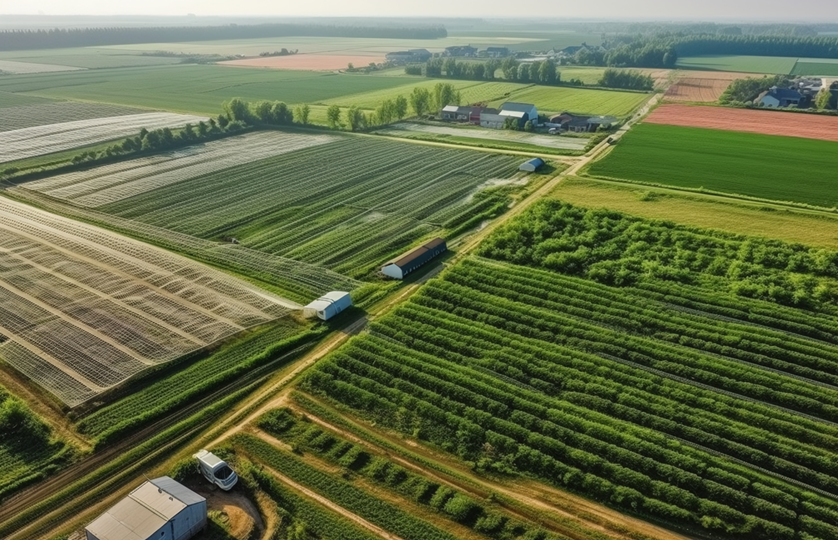
Nestled among green mountains in Yunnan Province, Baoshan serves as the first barrier for biological and ecological security in southwest China and boasts the reputation of "the granary of western Yunnan". Faced with the dual task of protecting the ecological environment and advancing high-quality agricultural development, the city has explored a distinctive path to achieve a win-win situation between ecological conservation and economic growth.
With over 90% of its land being mountainous, Baoshan possesses a unique plateau vertical climate characterized by high altitude, large temperature differences and sufficient sunlight, which once hindered agricultural development. To tap into its resource potential, the city has focused on cultivating advantageous industries in line with local conditions.
At the Longping High-Tech Breeding Base in Shuidian Township, Shidian County, the annual average temperature of about 17.7℃ and a frost-free period of 330 days make it an ideal place for breeding two-line hybrid rice sterile lines. According to Xinhua News Agency, the base can produce 48,000 kilograms of sterile line maternal seeds annually, ensuring over 80% of the national demand and supporting the cultivation of 5.6 million mu of hybrid rice, which can feed 28 million people.
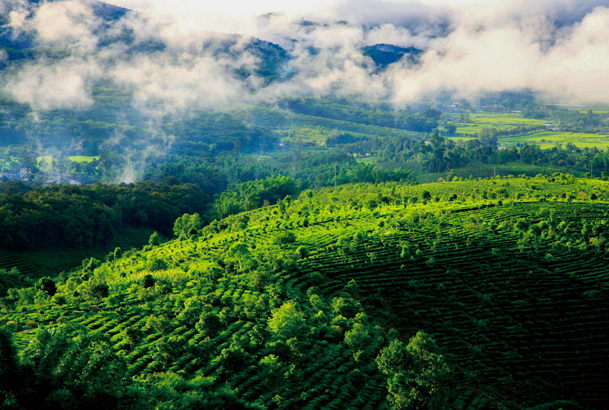
Longling County, known as "the hometown of Chinese purple dendrobium", has also made remarkable achievements in transforming ecological resources. Zhou Ying, director of Longling Dendrobium Industry Development Center, said, "Surrounded by mountains and rivers, we promote wild-simulated epiphytic planting to realize ecological industrialization." It is understood that more than 75,000 people in the county are engaged in the dendrobium industry, with an average annual income of over 7,600 yuan. According to Xinhua News Agency, the county’s dendrobium industry has an annual output value of 7.5 billion yuan, covering 100 kinds of products in 30 series.
Technological innovation has become the core driving force for Baoshan’s agricultural upgrading. Zhang Jiahou, deputy general manager of Mengnuo Branch of Yunnan Kangfeng Sugar Industry Group, introduced that standardized cultivation technologies have increased sugarcane yield by 1,000 to 1,500 kilograms per mu. Fan Xiangzhou, a large-scale grower, noted that mechanization has greatly improved planting efficiency, raising his yield to 8 tons per mu.
Industrial integration has further released green value. Baoshan’s coffee industry has evolved from a simple production chain to an integrated model combining planting, processing, tourism and training. According to Xinhua News Agency, the city’s coffee premium rate and intensive processing rate have reached 70% and 85% respectively. Meanwhile, rural tourism driven by agricultural resources has boosted farmers’ income significantly, with a coffee shop in Longjiang Township receiving over 60,000 tourists since last October.
From rice breeding to dendrobium planting, from technological innovation to industrial integration, Baoshan has successfully transformed its green resources into development advantages, realizing a virtuous cycle of ecological beauty, industrial prosperity and farmers’ prosperity.