Guangxi Accelerates Construction of Small-Scale Agricultural Water Facilities, Irrigation "Last Mile" Linked to Spring Farming
NANNING, April 16 – Guangxi Zhuang Autonomous Region has made substantial headway in its campaign to strengthen small-scale agricultural water infrastructure, with 1.0658 million mu (approximately 71,053 hectares) of newly restored and improved irrigation area recorded so far this year, according to official data. The progress, achieved through coordinated efforts by the regional government’s General Office, Department of Water Resources, and Department of Agriculture and Rural Affairs, is critical to securing spring farming and national food security.
As part of the winter-spring water conservancy campaign, Guangxi has renovated 79 small water projects, including mountain ponds and weirs, and cleared 886.66 kilometres of main canal systems and 834.90 kilometres of small irrigation channels. These measures have effectively removed bottlenecks in water delivery, laying a solid foundation for stable agricultural production.
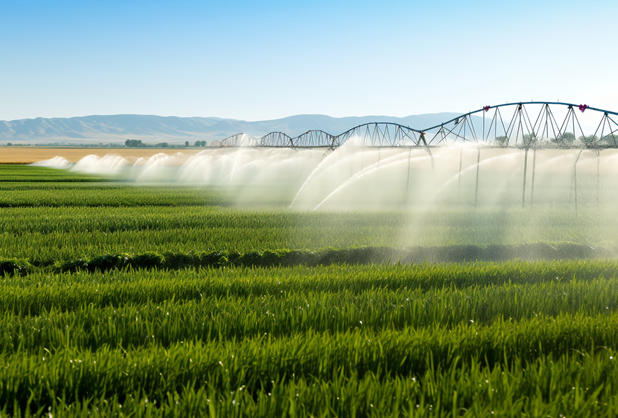
To address urgent public needs, the regional government has allocated a special subsidy of 80 million yuan (around $11.1 million) to prioritize 151 small-scale water projects. This funding, coordinated by the General Office and the Department of Finance, targets projects that directly benefit farmers, ensuring practical livelihood improvements are delivered efficiently.
The initiative reflects Guangxi’s commitment to integrating water conservancy with high-quality farmland development. At a field meeting in Zhongshan County, Hezhou, in late January, the region outlined a roadmap to expand irrigation coverage, with a target of over 1 million mu of newly restored or improved areas by the end of April. This aligns with the broader national strategy to boost water conservancy investment, with Guangxi aiming to complete 65 billion yuan in water projects this year, up from 51.1 billion yuan in 2025.
Industry experts highlight the strategic importance of these upgrades. “Small-scale water facilities are the ‘blood vessels’ of agricultural production,” said a senior official from the regional water sector. “Their improvement directly enhances drought resistance and water use efficiency, supporting the stable yield of grain and cash crops.”
With spring planting underway, the completed irrigation projects are already showing positive impacts. Farmers in key grain-producing areas have reported reduced water costs and improved crop growth, thanks to more reliable water supplies. Local authorities are now stepping up efforts to maintain these facilities, ensuring long-term functionality and maximizing their economic benefits.
Guangxi’s progress is part of a national push to modernize water infrastructure. In the first quarter of 2026, China completed 207 billion yuan in water conservancy investments, a 4.1% year-on-year increase, with 8,348 new projects launched nationwide. Guangxi’s focus on small-scale projects complements these national efforts, addressing local needs and strengthening the resilience of rural water systems.
Looking ahead, the region plans to continue expanding its water conservancy network, with plans to further upgrade irrigation networks and enhance water storage capacity. By improving water management and expanding coverage, Guangxi aims to solidify its position as a key grain-producing area and support sustainable agricultural development in southern China.