Morel Mushrooms Harvested in Qian'an, Boosting Rural Revitalization Through "Cooperative + Base + Farmer" Model
According to Xinhua News Agency reports on April 10, 2026, the morel mushroom cultivation base in Shangsheyanzhuang Town, Qian'an City, Hebei Province, has entered its peak harvest season, with local farmers busy picking the prized fungi to meet strong market demand. In recent years, the city has promoted a specialized "cooperative + base + farmer" model to scale up production of high-value edible fungi, including morels, wine cap mushrooms and shiitakes, driving rural income growth and advancing China's rural revitalization strategy.
Nestled in the Yanshan mountain foothills, Qian'an has leveraged its favorable climate and soil conditions to develop premium mushroom cultivation. At the Chunliang Green Vegetable Planting Cooperative in Shangsheyanzhuang Town, workers carefully harvest mature morels, which are then sorted, packaged and shipped to markets across the Beijing-Tianjin-Hebei region. The cooperative currently produces over 30 tonnes of fresh morels annually, with the high-value crop commanding strong prices due to its exceptional nutritional profile and culinary appeal.
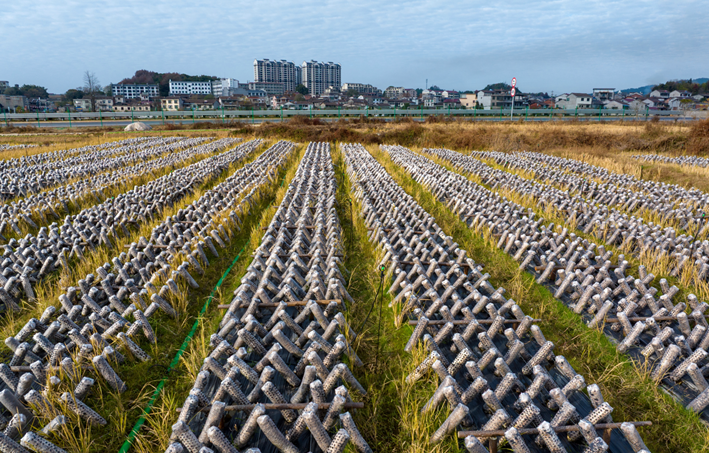
"The morel cultivation uses nutrient packs made primarily from wheat and corn cobs, processed through high-temperature sterilization. No pesticides or chemical fertilizers are used throughout the growing cycle, resulting in safe, healthy produce," explained Qin Manhong, head of morel cultivation at Qian'an Chunliang Green Vegetable Planting Cooperative. This organic approach aligns with growing consumer demand for premium, sustainably produced foodstuffs.
According to industry data from China.org.cn, China's morel cultivation has expanded dramatically from just dozens of mu (a Chinese unit of area) to hundreds of thousands of mu in recent years, reflecting the mushroom's rising popularity both domestically and internationally. As a prized edible and medicinal fungus rich in essential nutrients, morels have become a high-value cash crop supporting agricultural diversification.
The "cooperative + base + farmer" model implemented in Qian'an provides smallholder farmers with technical expertise, standardized cultivation systems and guaranteed market access. This integrated approach mitigates individual risks while enabling economies of scale, with farmers participating in every stage from cultivation to harvesting. The cooperative structure ensures stable employment and revenue sharing, directly increasing rural incomes.
Beyond morels, Qian'an has expanded its edible fungi portfolio to include wine cap mushrooms and shiitakes, creating a diversified, year-round cultivation cycle. At the Kunli Family Farm in Dacui Township, wine cap mushrooms grown in forested areas have emerged as another profitable specialty crop. This multi-species strategy enhances economic resilience while maximizing land utilization efficiency.
According to CCTV coverage, the seasonal harvest has transformed rural landscapes across Qian'an, with greenhouses bustling with activity as workers process fresh mushrooms for distribution. The timely harvest coincides with peak spring demand, with products reaching markets within 24 hours of picking to ensure optimal freshness.
As China advances its rural revitalization agenda, specialized cultivation models like Qian'an's fungi industry offer a replicable blueprint for sustainable rural development. By focusing on high-value, environmentally friendly crops organized through cooperative structures, local governments can effectively boost agricultural productivity and rural incomes. With ongoing expansion of cultivation areas and processing facilities, Qian'an's edible fungi industry is poised for continued growth, strengthening the city's position as a specialized agricultural production base while delivering sustainable benefits to farming communities.