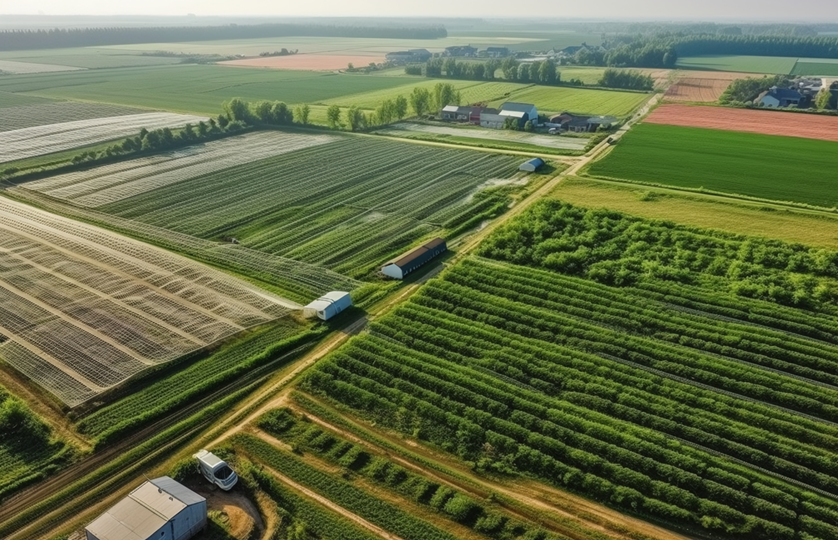
Beijing’s Pinggu Launches Decade-Long Plan to Boost Whole Grain Industry
Eating healthily has emerged as a new proposition for food security in modern China, with Beijing’s Pinggu District taking a pioneering step to promote whole grain consumption and industrial development at a recent sub-forum on agriculture-medicine integration during the Zhongguancun Forum Annual Meeting.
At the event, the district unveiled the 10-year Action Plan for Whole Grains in Agricultural Zhongguancun (2026—2035) and officially launched the Agricultural Zhongguancun Whole Grain Industry Alliance, aiming to upgrade the whole grain industrial chain and popularise nutritious food options, according to Xinhua News Agency.
“We will fully align with and implement the national whole grain action plan, launch the whole grain initiative in Agricultural Zhongguancun, and cooperate with top research teams to focus on variety improvement, quality enhancement and intensive processing of whole grains,” said Di Tao, Deputy Secretary of the CPC Pinggu District Committee and District Chief of Pinggu. “We will build standardised whole grain planting demonstration zones to continuously produce high-quality, high-nutrition whole grain products.”
Supported by key enterprises including Zixingyuan Food Technology Co., Ltd., Maixin Food Co., Ltd. and Agricultural Zhongguancun No.0 Store, Pinggu has initially formed a whole grain industrial chain integrating product development, production, distribution and marketing. The newly launched alliance, which aims to integrate industrial resources, promote collaboration between industry, academia, research and application, includes first batch members such as the Academy of Science and Technology of the State Administration of Grain and Material Reserves, Capital Medical University, China Agricultural University, COFCO Technology & Engineering Co., Ltd. and Ximai Food Co., Ltd.
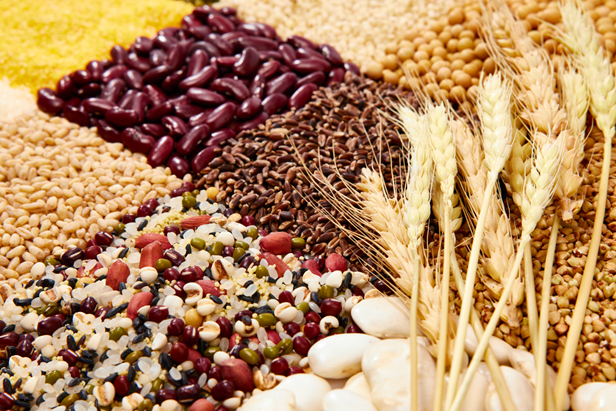
Hailed as a “natural nutrient package”, whole grains retain all edible components—seed coat, endosperm and embryo—after removing only inedible husks, preserving maximum natural nutrients and active substances, noted the Consensus on Whole Grains and Health jointly released by eight professional institutions including the Chinese Center for Disease Control and Prevention. Studies have shown that a reasonable increase in whole grain intake helps control weight and reduce the risk of cardiovascular diseases and type 2 diabetes, especially benefiting people who need to lose weight or control blood sugar.
Currently, China’s whole grain consumption is still in its infancy, accounting for less than 1% of residents’ total grain consumption—far below the 20% to 35% level in developed countries, said Liu Huanxin, Party Secretary and Director of the State Administration of Grain and Material Reserves. “This is partly due to dietary habits, but also reflects huge potential and room for China’s whole grain consumption,” he added. The Dietary Guidelines for Chinese Residents (2022) recommends that adults consume 50 to 150 grams of whole grains and miscellaneous beans per day, but the actual intake still lags far behind.
Liu emphasised that industrialisation is crucial for whole grains to move beyond niche health food to become a mainstream dietary choice. He called for integrated resource planning to build a coordinated industrial ecosystem, fostering leading enterprises and industrial parks to connect warehousing, R&D, sales and logistics around whole grain processing. Strict implementation of standards and comprehensive quality supervision are also needed to build a trustworthy image for whole grain products.
Technological innovation is the key driver for the industry’s development, Liu noted. He stressed the need to strengthen enterprises’ leading role in innovation, leverage the basic research capabilities of universities and research institutes, and focus on core technologies such as raw material selection, product production and palatability improvement to promote mutual development of the industrial and innovation chains. Pinggu’s new plan and alliance are expected to accelerate the implementation of the national whole grain action plan, bringing nutritious whole grains to every household and daily meals.