China Accelerates Spring Irrigation Across Major Grain-producing Regions
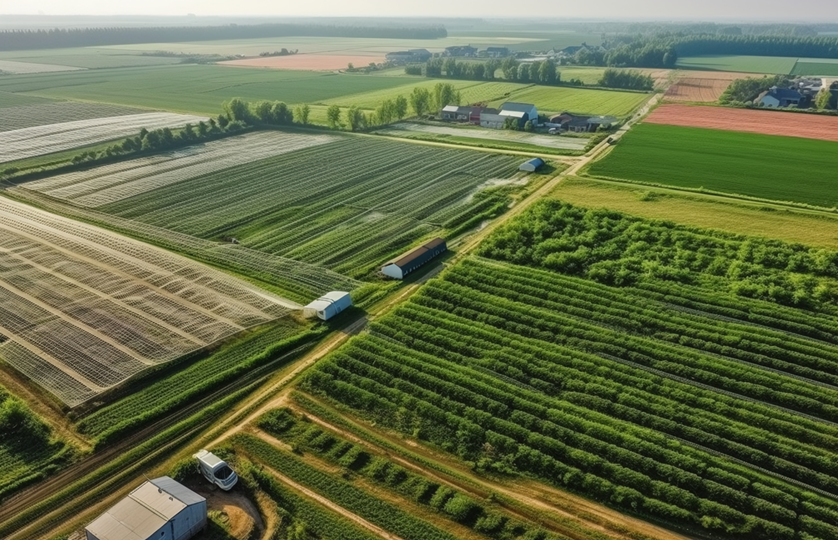
As winter wheat enters the critical spring management period, spring irrigation is being rolled out nationwide. As of April 3, 25 provinces and the Xinjiang Production and Construction Corps had initiated spring irrigation, with a cumulative water supply of 14.2 billion cubic meters covering 100 million mu of farmland, according to official data.
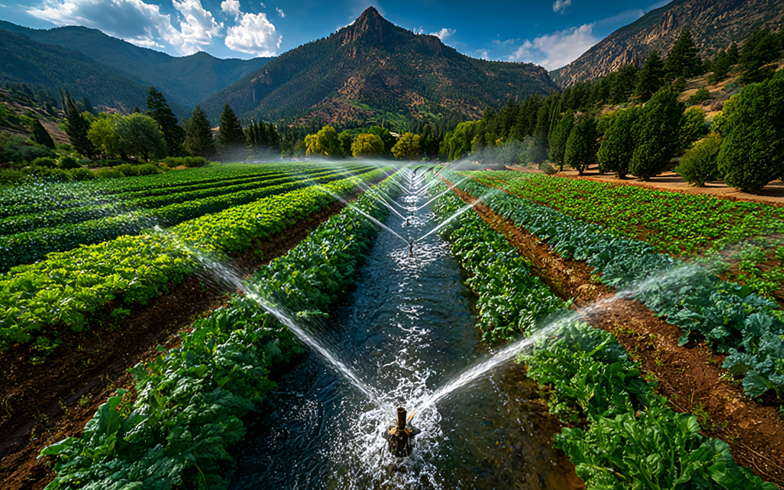
Large and medium-sized irrigation districts serve as the "main force" in grain production. Currently, 2,891 such districts are in operation, delivering 10 billion cubic meters of water to 9.4 million mu.
A highlight came on April 3 when the 2026 Dujiangyan Water-Releasing Festival kicked off, officially launching the spring irrigation supply for the Dujiangyan Irrigation District in Sichuan Province.
The district plans to meet the water demand for 11.945 million mu of farmland and ensure full transplanting for 6.064 million mu of rice. Meanwhile, in the headgate station of the Qinglongshan Irrigation District in Heilongjiang Province, six giant pump units have been activated to support spring irrigation.
The irrigation authority will prioritize water supply during the peak period for field preparation in mid-April to ensure the orderly, efficient, and safe progress of spring irrigation.
Water conservancy departments are strengthening infrastructure, scientifically storing and allocating water resources, and implementing precise water distribution.
The Ningxia Hui Autonomous Region Water Resources Department has focused on the spring irrigation node, completing maintenance and upkeep of water projects efficiently, and integrating rigid water constraints into the entire process of allocation, scheduling, and water use.
The Ningxia Yellow River Diversion Irrigation District commenced spring irrigation earlier.
The Hunan Provincial Water Resources Department has adhered to the principles of "one policy for one irrigation district" and "one policy for one county," refining water supply measures, increasing available irrigation water through multiple channels, and promoting multi-source water coordination and regulation to enhance the guarantee rate of irrigation water sources.
The Jiubujiang Irrigation District initiated pre-spring irrigation preparation in mid-March, providing water security for early rice sowing and spring cultivation.
Furthermore, leveraging digital technology, water conservancy departments are fully ensuring irrigation water demand according to crop seasons, further empowering the modernization of agricultural water use.