China Advances Camellia Oleifera Industry for Oil Security
BEIJING, April 1 — This year’s Government Work Report emphasizes consolidating and enhancing the production capacity of soybeans and oilseeds. As one of the world’s four major edible oilseeds, camellia oleifera boasts a long cultivation history and remarkable economic value in China. While the industry has achieved phased progress in expanding planting scale and advancing improved variety breeding, it still faces in-depth challenges, according to an interview with experts conducted by our reporter recently.
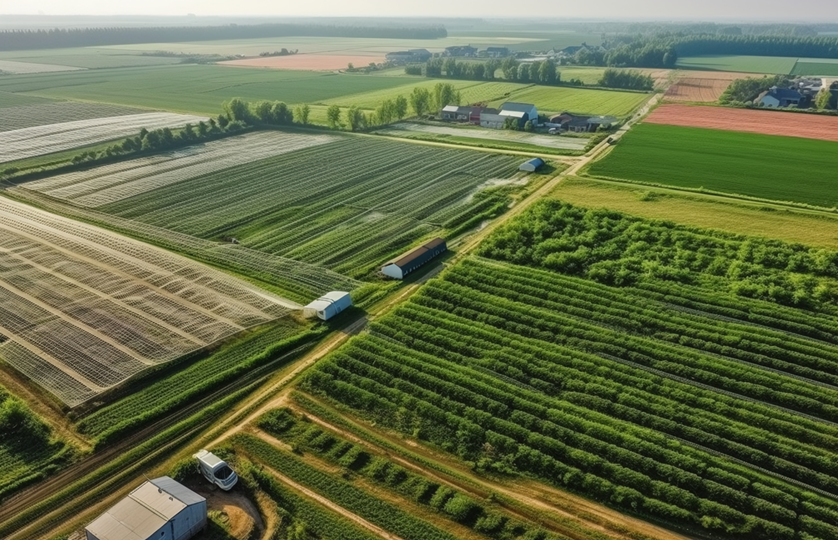
"With policy support, China’s camellia oleifera planting area and output have continued to grow, making positive contributions to ensuring domestic edible oil supply," said Cheng Pengfei, Professor at Hunan University of Science and Technology. He noted that the planting area has steadily increased from 67 million mu in 2018 to over 75 million mu in 2025, forming a "Camellia Oleifera Golden Triangle" centered on Hunan, Jiangxi and Guangxi provinces.
Technological innovation is the core engine driving the high-quality development of the industry. Zhou Xianghong, Associate Professor at Hunan University of Science and Technology, stated that significant progress has been made in R&D and promotion of whole-industry-chain technologies. More than 300 improved camellia oleifera varieties have been approved, with high-yield, high-oil-content and high-resistance varieties such as the "Changlin" and "Xianglin" series becoming the main promoted ones. Standardized cultivation technologies, including integrated water and fertilizer management and drone plant protection, have been widely applied.
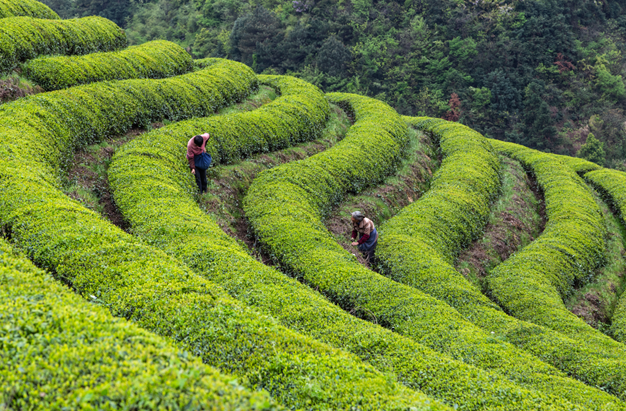
Despite steady expansion, the industry still has drawbacks. Cheng Pengfei pointed out that low-yield forests account for a large proportion, with an average oil yield of only 12 kg per mu, compared with 40 kg per mu for high-standard forests. He also mentioned irregular promotion of improved varieties and backward mechanization, as tending and harvesting still rely heavily on manual labor.
From an investment perspective, Zhou Xianghong added that the industry has a long investment recovery cycle of 10 to 13 years, which dampens the enthusiasm of operators. In terms of the industrial chain, there is a structural imbalance in processing capacity, with excess primary processing capacity but insufficient deep processing capacity, leading to low product added value.
To address these bottlenecks, experts suggested focusing on technological innovation, whole-industry-chain integration and brand building. Key measures include promoting high-standard afforestation and low-yield forest transformation, fostering leading processing enterprises, and encouraging the development of high-value-added products such as special oils and biological agents.
Efforts will also be made to enhance technological and digital empowerment, focusing on R&D of special machinery for hilly and mountainous areas, and building "smart camellia oleifera" data platforms. Infrastructure construction, including storage and cold chain facilities, will be strengthened to lay a solid foundation for industrial development.
With targeted policies and technological support, China’s camellia oleifera industry is steadily moving towards high-quality development, contributing more to the country’s edible oil security and rural revitalization drive. The "Camellia Oleifera Golden Triangle" has become a model for industrial agglomeration, driving local economic growth and farmers’ income increase.