Longjing Tea Harvest in Full Swing, Boosting Rural Vitalization
Fresh tea buds are sprouting and the fragrance of tea fills the air as China enters the peak spring tea picking season. Longjing tea, a representative of China’s traditional high-quality green tea, is now in its busiest harvesting period of the year. Tender green tea buds from core producing areas such as West Lake, Qiantang and Yuezhou in Zhejiang Province are making their way to the consumer market, becoming a distinctive flavor of spring and an important driver for increasing tea farmers’ income and promoting rural vitalization through innovative industrial integration practices.
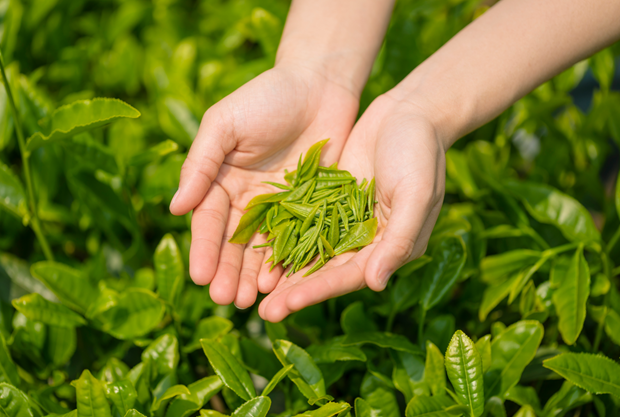
The spring tea industry is the pillar of the rural economy in tea-producing areas, and the development of the Longjing tea industry, as a premium product in spring tea, is directly related to farmers’ income levels. Longjing tea planting and processing follow strict standards: geographical indication product certification defines the scope of core producing areas, while the "one bud and two leaves" picking standard and traditional tea-making techniques such as green pan and bright pan not only ensure the unique quality of Longjing tea but also lay a solid foundation for industrial development.
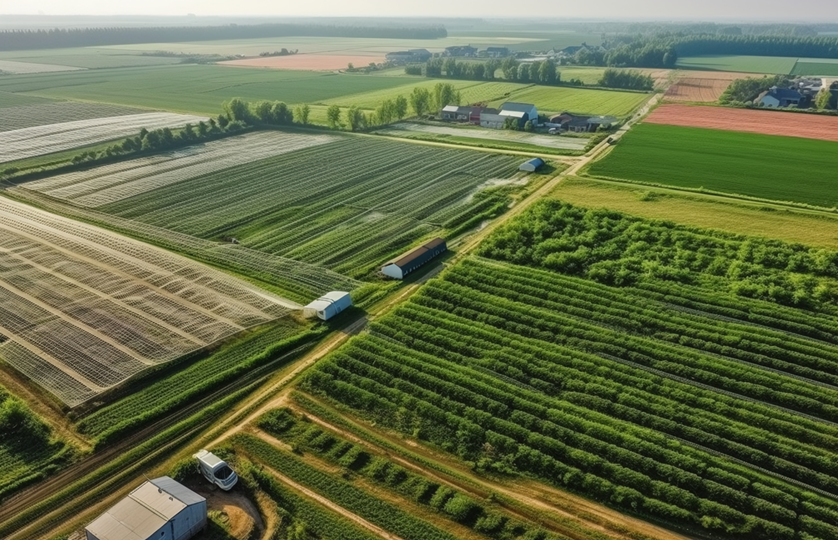
In the core Longjing tea producing areas of Zhejiang, the industry is steadily moving towards modernization and standardization. From IoT remote management and green ecological planting at the cultivation stage, to the standardization of traditional techniques and the upgrading of stir-frying combining machinery and manual work at the processing stage, as well as the cultivation and promotion of improved varieties, all aspects of the industry are being optimized.
With the upgrading of the consumer market and the deepening of industrial integration, the income structure of tea farmers in core Longjing producing areas has been continuously optimized in recent years. Growing, processing and selling tea at their doorsteps has become the norm for many tea farmers, who have achieved steady income growth relying on standardized planting and stable sales channels. Meanwhile, the demand for high-quality raw leaf tea from new tea beverage enterprises has, to a certain extent, promoted the integration of the traditional tea industry with new consumption scenarios. A small Longjing tea bud has become a "get-rich leaf" for people in tea-producing areas, brightening the background of rural vitalization.
At present, various market entities are actively exploring the younger expression of traditional spring tea, integrating famous teas such as Longjing into modern beverage innovation. Through innovations in taste and form, traditional spring tea has entered urban consumption scenarios and been accepted and loved by more young consumers.
As this year’s spring tea season arrives, Heytea, a well-known domestic new tea beverage brand, has launched a series of products including Longjing Nuonuo, Buckwheat Longjing Milk Tea and Salted Cheese Longjing. While retaining the characteristics of tea fragrance, the brand explores the younger expression of traditional famous tea through taste innovation. Relevant person in charge of Heytea said that combining the innovative form of new tea beverages can not only bring traditional spring Longjing tea into urban consumption scenarios but also provide young consumers with a new way to experience spring tea.
In recent years, the spring tea industry has also been deeply integrated with cultural tourism, cultural and creative industries. Formats such as tea garden sightseeing and tea picking experiences have emerged continuously, transforming the spring tea industry from a single tea production into an integrated whole-industry chain development model covering planting, processing, experience and consumption, further increasing industrial added value.
A single tea leaf connects the happy life of people in mountainous areas and carries the beautiful vision of rural vitalization. Represented by Longjing tea, the spring tea industry, on the basis of adhering to quality and inheriting traditions, is taking a new path of high-quality development through technological empowerment, industrial integration and brand upgrading. A single tea leaf has not only become a source of income for tea farmers but also a bond linking traditional culture with modern life, spreading the fragrance of hope along the road of rural vitalization.