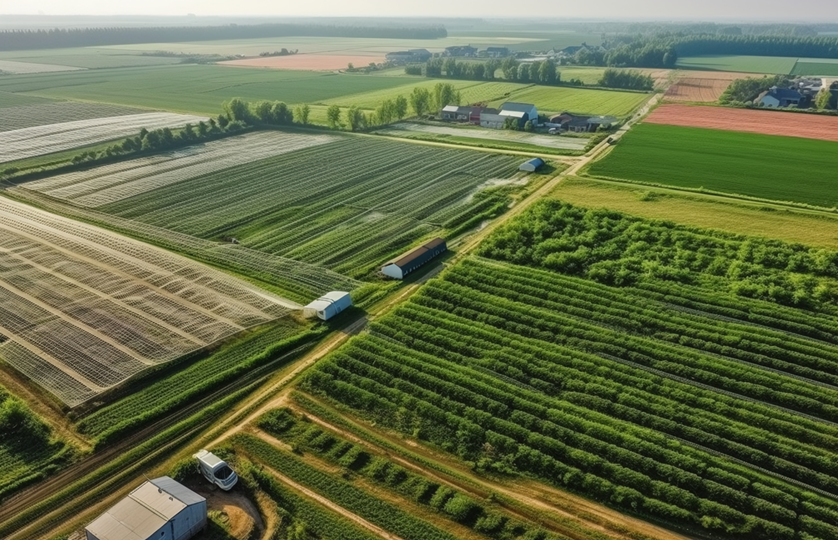
Major Technological Breakthroughs in Black Soil Protection, Paving Way for Smart Agricultural Governance
A major breakthrough in comprehensive black soil protection technology has been selected as one of the Top 10 Scientific and Technological Progress News of China in 2025, as selected by academicians of the two academies. This achievement has greatly encouraged researchers working at the forefront of black soil protection, who regard it as a profound honor.
Behind this achievement lies the breakthrough of a series of key core technologies, including space-air-ground integrated monitoring technology, intelligent soybean breeding technology, intelligent agricultural machinery technology and regionally suitable farming models. These technological innovations have laid a solid foundation for the effective protection and sustainable utilization of black soil.
As black soil protection advances, continuous efforts are needed to address existing challenges and further improve protection efficiency. These include enhancing the ability of the black soil degradation control technology system to respond to extreme climates, optimizing erosion ditch management, strengthening research on the combined impact of natural and human factors, and upgrading the real-time analysis and intelligent decision-making capabilities of agricultural big data.
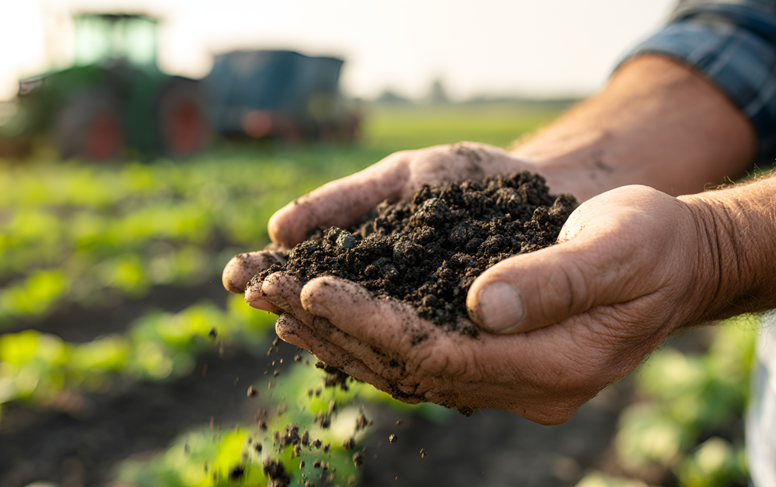
To achieve better progress, smart agriculture has been identified as a key focus, requiring a transformation from "technological integration" to a higher level of "systematic governance" and "intelligent management and control". This transformation will provide a more scientific and efficient path for black soil protection.
To this end, targeted suggestions have been put forward for the "Black Soil Granary" scientific and technological campaign, focusing on multiple key areas. Firstly, build a multi-platform, multi-modal space-air-ground network observation system covering plants, plots and regions, creating a high-precision observation system to accurately grasp various black soil data, including the establishment of "plot portraits" for precise monitoring.
Secondly, develop stress-resistant and high-yield intelligent breeding technologies, while tackling key technologies in the creation and precise application of intelligent fertilizers, to promote the synergy between black soil protection and crop yield improvement.
Thirdly, improve the intelligent agricultural management and control technology system to make field management more refined and efficient, such as the promotion of variable fertilization technology and intelligent water and soil conservation measures like "sponge farmland".
Fourthly, construct an exclusive black soil agricultural large model and smart management platform, smoothing the data link between technological R&D and industrial application to facilitate the better implementation of technological achievements.
Fifthly, establish demonstration bases for the application of smart ecological agriculture on black soil, promoting the transformation and large-scale application of technological achievements. Such bases have already achieved remarkable results in reducing soil erosion and increasing grain yield in some regions.
These efforts will further consolidate the achievements in black soil protection, promote the sustainable development of agriculture in black soil areas, and contribute to the strategy of ensuring food security through land and technology, laying a solid foundation for high-quality agricultural development.