Factories Transformed into Popular Tourist Attractions as China Rolls Out National Industrial Tourism Policies
According to China Youth Network, seven central authorities including the Ministry of Culture and Tourism, the Publicity Department of the CPC Central Committee and the Ministry of Industry and Information Technology have jointly issued a circular to boost industrial culture, safeguard industrial heritage and expand industrial tourism products. The document lays out eight core tasks covering upgraded heritage protection, deeper interpretation of industrial cultural value and richer supply of industrial travel experiences.
A total of 142 national demonstration bases for industrial tourism have been officially accredited across the country to date. Independent industrial research bodies forecast that the domestic industrial tourism sector will sustain an average annual growth rate of 18 per cent from 2024 through to 2029, with overall market value poised to surpass 300 billion yuan. The integration of manufacturing and tourism unlocks fresh creative avenues and economic returns, bridging secondary and tertiary industries. Industry observers note that consistent policy backing will push industrial tourism into a sustained growth phase.
Visitor demand for factory-based experiences has surged over recent holiday periods. During the Dragon Boat Festival break, nine industrial tourism venues in Beijing Economic and Technological Development Zone operated full visitor services alongside regular production lines. Immersive displays featuring aerospace hardware, humanoid robots and new energy vehicles became top choices for short domestic trips. Data from travel platform Qunar records that online searches tagged “factory tours”, “automotive plants”, “shipyards” and “science exploration” rose 2.3 times month-on-month, while bookings for industrial study camp packages climbed more than 50 per cent year-on-year.
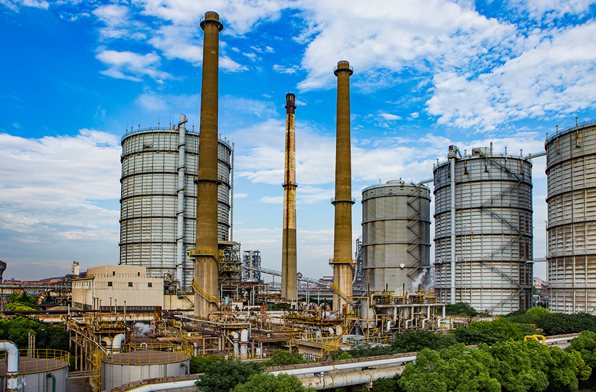
Xiaomi Auto’s manufacturing complex, spanning 718,000 square metres, opened its public viewing zones in March 2024 and has received over 250,000 visitors in the period since. Proposals submitted during the national parliamentary sessions earlier this year called for refined supporting frameworks for industrial tourism, with focus placed on rolling out new experiential formats, developing benchmark industrial travel projects and lifting overall service standards. Sites combining active production facilities, preserved industrial relics and specialist museums deliver immersive exposure to industrial civilisation, while supporting science outreach, cultural inheritance, local employment and urban regeneration.
Industrial tourism is not an emerging concept in China. Back in 1994, First Automobile Works in Changchun set up an in-house travel agency and opened multiple production lines to public visitors. Subsequent developments converted Beijing 798 Art Zone, Shanghai Jiangnan Shipyard and Tsingtao Brewery into well-known tourist destinations. The latest inter-ministerial circular marks a clear shift from tentative industry encouragement to systematic nationwide rollout of industrial tourism frameworks. The policy framework breaks cross-departmental administrative barriers, framing industrial tourism as a comprehensive initiative that advances cultural communication, urban renewal and consumer upgrades rather than a standalone leisure offering.
China retains the world’s largest manufacturing added value output for 16 consecutive years, supported by complete industrial supply chains that claim top global production volumes for most of its 504 core industrial goods. This solid manufacturing foundation underpins the rapid expansion of factory tourism. From the supply side, industrial sites offer seamless direct contact between manufacturers and consumers. From the demand side, public appetite to engage with domestic brands, advanced manufacturing technology and traditional craftsmanship keeps expanding. Industrial tourism acts as a vital connector aligning both sides of the market.
Many local industrial relics carry profound collective cultural memories. Huangshi’s Huaxin Cement Plant, founded in 1907 as one of China’s earliest three cement manufacturers, supplied construction materials for landmark projects including the Great Hall of the People, Wuhan Yangtze River Bridge and the Three Gorges Dam. Its final production lines ceased operation in 2007, and the site was remodelled into Huaxin 1907 Cultural Park with free public entry. Refurbished conveyor corridors serve as immersive viewing routes, while former slag storage facilities now host multi-purpose exhibition halls. Open-air music performances and choir events are regularly staged on the central lawn, passing down industrial heritage to younger generations through refreshed cultural formats.
China holds extensive industrial heritage resources spanning centuries of manufacturing evolution. Since 2017, the Ministry of Industry and Information Technology has designated 264 national industrial heritage sites, delivering targeted rescue protection for relics recording revolutionary industrial development and the early construction of modern China. The newly released circular enshrines protection-first principles alongside rational utilisation and minimal intervention for heritage sites, while encouraging creative renovation of abandoned factory premises to launch heritage-themed travel routes. Protected industrial relics preserve the shared legacy of industrial workers and document the nation’s arduous industrialisation journey, and creative revitalisation delivers compelling cultural narratives for urban renewal.
Educational and sightseeing opportunities span diverse industrial landmarks across the country. Visitors trace the origins of China’s industrial development at Daqing Oilfield History Exhibition Hall, witness the transition from basic manufacturing to intelligent production at Wuhan Artificial Intelligence Computing Centre, and experience time-honoured craft ethics at Longpai Sauce Garden in Xiangtan. These tangible, scene-based experiences translate abstract industrial spirit into accessible learning materials for young audiences. Regular field visits help younger generations build national industrial identity, laying solid cultural and talent foundations for advanced manufacturing development.
Demand for industrial study trips climbs further as the summer tourism peak approaches. Online travel platforms report fully booked study programmes at rocket manufacturing bases, shipyards and AI robotics facilities. Many families arrange educational factory tours for children to witness advanced domestic manufacturing capabilities while travelling. The 15th Five-Year Plan outline directs regional authorities to develop tailored tourism offerings including red cultural travel, rural getaways, wellness breaks and industrial excursions.
The official circular categorises all industrial tourism offerings into three distinct strands: industrial heritage tours, active factory visits and smart industrial experience trips, each with bespoke development pathways. The three-tier product system covers historical factory relics and cutting-edge intelligent manufacturing hubs alike, guiding local governments to design region-specific travel models through targeted planning for each individual site. Chengdu Eastern Suburb Memory stands as a prominent example of revitalised industrial space, blending original brick workshop buildings and factory chimneys with domestic fashion retail outlets, live music stages and digital light installations. The venue hosted more than 18 million visitors in 2025, with visitors aged under 40 accounting for over 80 per cent of total footfall. Its operational team maintains constant tracking of online cultural trends to sustain fresh visitor appeal throughout the year.
Policy guidance sets clear benchmarks for upgraded industrial tourism services, covering enhanced tour guide training and the rollout of unified national service standards. Industry specialists advise operators to move beyond passive sightseeing and build interactive, visual immersive experiences. Business models will shift from single-ticket revenue to integrated consumption chains, linking factory visits with educational study programmes, corporate team building and night-time cultural activities to lengthen industrial tourism value chains.
Factory travel continues its evolution from a niche leisure activity into a mainstream lifestyle choice. These spaces dedicated to manufacturing heritage now stand open to all visitors, carrying layered architectural memory, vibrant production energy and profound cultural meaning.