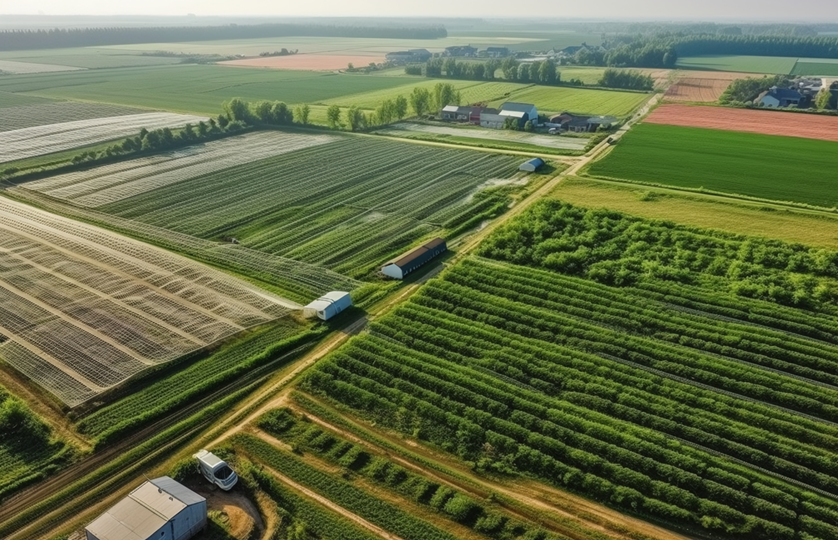
Distinct Regional Dragon Boat Customs Take Shape Across China Ahead of Dragon Boat Festival
Per CCTV News dispatches, unique waterborne folk rituals unfold across four Chinese provinces as the traditional Dragon Boat Festival draws near, with each locality showcasing its own distinct style of dragon boat activity that binds local communities and welcomes visitors from home and overseas.
Along the Jinjiang River in Songhu Town, Xinjian District of Nanchang City, Jiangxi Province, a laid-back dragon boat gathering fills the riverbanks with warmth. Villagers who have moved away for work return to their hometowns to join the waterborne activities, using the centuries-old folk custom to rekindle family and neighbourhood bonds.
This riverside event departs sharply from standard competitive dragon boat fixtures. No marked racing lanes are laid out, and no formal rankings are awarded, with togetherness and reunion standing as the core aim of the day. Twenty-one village dragon boat squads, each clad in matching uniform sportswear, glide onto the river surface in sequence. Oars rise and fall in rhythmic unison, sending ripples spreading across the water, while resonant drumbeats drift along the shore to craft a vivid, lively picture of rural festive life.
Local cultural records note that dragon boat rowing on the Jinjiang has been passed down through countless generations within Songhu Town. All competitive judging elements have been removed from this year’s proceedings to allow unstructured, free-form paddling. Even without the pressure of timed races, participants from every village give their full effort to chase one another across the water, drawing crowds of onlookers who travel specifically to witness the gentle communal spectacle.
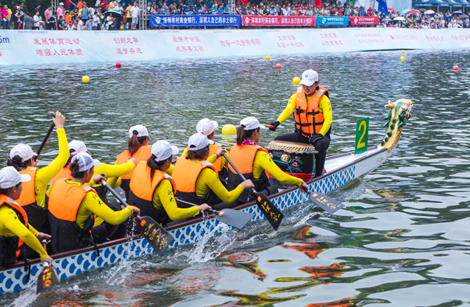
Haining in Zhejiang Province delivers an immersive cultural experience that draws foreign visitors and international students into Dragon Boat Festival traditions. On stretches of the Luotang River, a novel dragon boat tug-of-war competition plays out to great fanfare. Two dragon boats are positioned stern-to-stern, linked by a thick hauling rope. Shouted chants and cheers ring out as paddlers strain every muscle to pull their craft forward, sending plumes of spray flying across the water. The buoyant atmosphere captivates overseas attendees, many of whom take hold of oars to sample the thrill of coordinated waterborne movement for themselves.
Across the river, a hands-on zongzi-making zone remains packed throughout the day. Trained staff offer step-by-step guidance to all comers, who learn to fold bamboo leaves, fill glutinous rice and bind parcels with cotton thread to craft their own festival rice dumplings as a personal memento of the occasion.
Dinghai Village in Lianjiang, Fujian Province hosts thrilling offshore dragon boat contests each year from the first to fifth day of the fifth lunar month to mark the festival. Shortly after eight in the morning, villagers launch four dragon boats painted red, yellow, white and cyan onto marked racing lanes as the tide rises. At the starting signal, paddlers follow the steady beat of ceremonial drums, driving their vessels forward at blistering pace towards the finish line 800 metres out at sea.
Offshore racing brings far greater physical challenges than inland river events. These marine dragon boats measure twenty to thirty centimetres wider and ten centimetres taller than standard river craft. Swells and shifting currents alter boat speeds dramatically even for identical crews racing side-by-side within the same stretch of coastal water.
The offshore dragon boat tradition of Lianjiang holds official status as one of Fujian’s sixth batch of provincial-level intangible cultural heritage items. Residents from coastal townships travel back from cities nationwide each year to take part in the open-water races.
Huangmei County, Huanggang City in Hubei Province stages a distinctive standing-paddle dragon boat display that sets it apart from conventional seated dragon boat formats. The large craft cut steadily through the water, their crews standing upright with firm, forceful strokes aligned to rousing drum rhythms. Rows of spectators lining the riverbank roar with encouragement, creating a constant wave of applause across the waterfront.
These Huangmei dragon boats feature exceptionally broad hulls, with the largest vessels capable of carrying more than two hundred paddlers, all of whom maintain an upright stance while rowing. Local oral history traces this style back to naval training routines from the late Yuan and early Ming dynasties; standing on deck allowed soldiers to scan the waters for threats and manoeuvre with greater agility in battle. Hundreds of years later, the military drill has evolved into a beloved village custom that retains its unique upright paddling technique.
Over three thousand participants sign up to take part in this year’s dragon boat display, and the vibrant festive atmosphere stimulates local cultural tourism spending, drawing visitors from many regions eager to witness the singular standing-row racing tradition.
Every regional iteration of dragon boat activity preserves indigenous folk heritage while opening local customs to wider audiences. Riverbank communal gatherings, cross-cultural interactive workshops, offshore competitive racing and historic standing-paddle displays each cater to varied visitor interests, and local tourism operators keep expanding supporting services to accommodate growing numbers of domestic and international festival travellers in subsequent holiday periods. Craft producers and catering vendors also adjust supply schedules to match rising visitor footfall across all four festival destinations.