Global City Delegates Gather in Huangshan for Cross-border Dialogue on Heritage and Green Urban Development
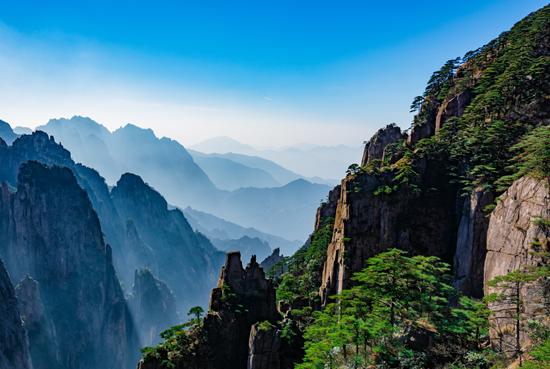
Xinhua News Agency reports the 2026 World Mayors Dialogue Huangshan concluded successfully in Anhui’s Huangshan City from 28 May to 31 May. Centred on the theme of mutual civilisation learning and integrated development between world heritage preservation and urban progress, the event assembled municipal representatives from ten countries including Germany, Serbia, Italy, Thailand and Malaysia. Participants exchanged in-depth views on world heritage conservation, cultural inheritance and eco-friendly urban development, delivering practical outcomes for cross-border urban cooperation.
The event issued the Huangshan Initiative and saw participating parties sign memorandums of friendly exchange and cooperation. The agreements create a solid framework for sustained experience sharing and pragmatic collaboration among global heritage cities, facilitating open dialogue and mutual learning across diverse civilisations and urban governance systems.
Participants visited iconic cultural and heritage sites across Huangshan to witness local practices of heritage protection and refined urban governance. Hongcun Village in Yixian County, a centuries-old Huizhou ancient settlement renowned for its well-preserved traditional layout, features an elaborate circulating water system stretching over 1,000 metres. The sophisticated hydraulic design integrates irrigation, flood prevention and daily water utilisation, embodying ancient Chinese ecological wisdom that continues to inform modern urban water resource management.
International delegates acknowledged the enduring value of traditional Chinese governance practices. Representatives from overseas municipal administrations recognised the replicable experience in water resource protection and systematic hydraulic management demonstrated in Hongcun Village’s ancient water system. Historical architectural clusters including Tunxi Ancient Street, a well-preserved ancient urban thoroughfare dating back to the Song Dynasty, further showcased balanced development models that integrate intact historical landscapes with vibrant modern commercial operations. Overseas delegates highlighted the effective coexistence of cultural heritage preservation and commercial vitality, offering valuable references for global old town renovation and heritage urban governance.
Smart technological applications embedded in local tourism infrastructure drew wide attention from international guests. Delegates trialled wearable exoskeleton devices designed for mountain tourism scenarios. The intelligent equipment delivers real-time power assistance adapting to diverse physical movements, effectively reducing physical exertion during mountain climbing. Overseas municipal representatives recognised the broad application prospects of such smart tourism technologies and intend to introduce similar intelligent facilities to optimise tourist experience in mountainous scenic zones within their own jurisdictions.
Huangshan City boasts abundant intangible cultural heritage resources, covering five global intangible cultural heritage items, 24 national-level heritage practices and 78 provincial-level heritage practices. Traditional Huizhou carving techniques, listed as a national intangible cultural heritage, attracted extensive attention from international visitors during the event. Overseas cultural officials noted the exquisite craftsmanship and delicate artistic features of Huizhou wood carving works, and expressed willingness to launch cross-border artistic exchanges and youth skill promotion programmes to facilitate the inheritance and innovation of traditional carving crafts.
Immersive intangible cultural heritage experience activities deepened international understanding of local cultural innovation. Foreign delegates participated in Huizhou fish lantern painting sessions and recognised the local adaptive inheritance model. The refined and simplified craft adjustments make traditional heritage practices more accessible for public experience and popularisation, forming a sustainable pathway for activating traditional culture in modern daily life.
Local urban governance practices prioritise authentic heritage protection, modernised inheritance and shared public benefits. Such development concepts align with global sustainable heritage development principles, providing practical references for international cities with profound folk cultural traditions. Overseas municipal representatives will incorporate Huangshan’s heritage protection and cultural activation experiences into local urban governance practices to advance targeted cultural preservation initiatives.
The dialogue event also showcased Huangshan’s integrated ecological and industrial development achievements. Fantu Village, nestled on the shore of Taiping Lake, has transformed from an underdeveloped rural area into a provincial-level high-quality demonstration village through ecological industrial upgrading. The village develops integrated tea, cultural tourism and homestay industries based on superior natural ecological resources, forming an eco-driven pathway for rural revitalisation and resident income growth.
International delegates took part in manual tea picking activities in local Taiping Houkui tea plantations and experienced the region’s ecological agricultural development model. Overseas representatives praised the harmonious integration of pristine natural landscapes and characteristic agricultural industries. Local homestay economies further embody the value of ecological resources, with the village operating 48 lake-view homestays with more than 500 guest rooms. The village received nearly 200,000 tourist visits and generated tourism revenue of almost 20 million yuan in 2025, creating stable local employment and income sources for rural residents.
In-depth exchanges on ecological protection and rural vitalisation were conducted among global municipal representatives at Taiping Lake. Huangshan’s development practices fully illustrate the coordinated progress of environmental conservation and economic growth. The balanced development model that unifies ecological protection, industrial upgrading and people’s livelihood improvement provides actionable experience for global cities seeking to balance environmental governance and economic development. Cross-city communication will continue to promote the global dissemination of ecological and cultural development concepts, supporting diversified and sustainable urban progress worldwide.