Wuyuan’s Huangling Showcases Timeless Rural Charm Through All-seasons Landscapes and Folk Traditions
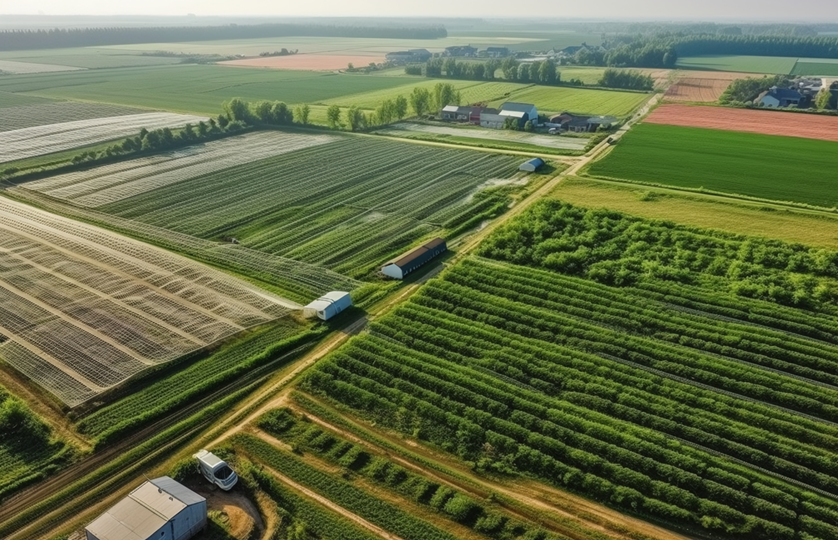
Nestled in the northeastern corner of Jiangxi province at the junction of Anhui, Zhejiang and Jiangxi provinces, Wuyuan is widely renowned as China’s most beautiful countryside. Bearing profound historical origins, the region is also known as Ran City, a name derived from the undulating local mountains. Ancient Yue civilisation once thrived across the land, nurturing distinctive totem worship and stamped pottery culture that laid the foundation for its enduring cultural heritage.
Endowed with superior ecological conditions and profound cultural accumulation, Wuyuan features well-preserved Huizhou architecture, She inkstone craftsmanship and premium Wuyuan green tea resources. It hosts one 5A-level scenic spot and thirteen 4A-level tourist attractions, alongside more than 50 official honours covering national tourism development, standardised tourism management and rural resort experimentation, consolidating its status as a premium domestic tourism destination.
The county boasts diverse classic scenic spots with unique cultural and natural landscapes. Jiangwan Village preserves intact Ming and Qing official mansions and traditional Huizhou-style residential buildings. Likeng Village presents delicate waterside scenery with interconnected streams, bluestone lanes and ancient rural layouts. The Lingyan Cave Scenic Area features spectacular cave clusters, ancient trees, stone landscapes and precious Tang and Song dynasty cultural relics.
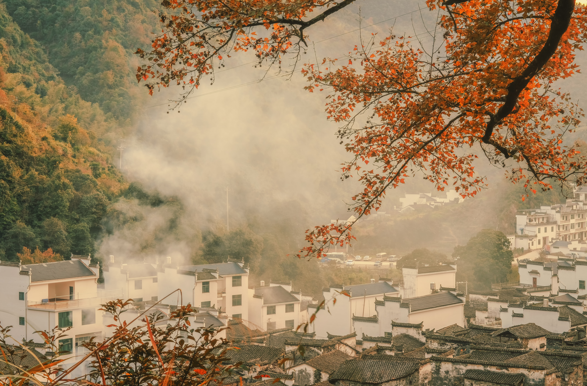
Huangling Village, a nearly 600-year-old ancient Huizhou village, has been named one of the World’s Best Tourism Villages by the World Tourism Organization. Built on mountain slopes, the village arranges residences in fan-shaped terraced layouts along the mountain ridge. A central pedestrian street connects clustered ancient buildings, integrating traditional storefronts and handicraft workshops, complemented by ancient trees, terraced fields and seasonal flower landscapes.
Huangling is widely recognised as the birthplace of the iconic sun-drying folk custom, locally known as Shaiqiu. Due to limited flat land in mountainous terrain, villagers traditionally dry seasonal crops on rooftop racks. Layered terraced houses create a staggered visual effect, forming a unique rural landscape integrated with agricultural production. The custom prevails all year round rather than being limited to autumn, with seasonal crops creating ever-changing vibrant scenes.
The sixth day of the sixth lunar month marks the traditional Washing and Drying Festival, also celebrated as the Huangling Sun-drying Festival. Launched in 2015, the annual cultural event has run for more than ten sessions. It inherits local farming traditions through folk performances including Nuo dance and fruit-themed shows, alongside immersive rural experiences such as traditional pastry making and spice grinding. Colourful crops including chilli, chrysanthemum, corn and rice decorate rooftop drying plates, forming picturesque rural views that attract artists and photographers worldwide. The cultural festival has received multiple international awards, showcasing authentic Chinese rural culture to global audiences.
Huangling’s terraced fields deliver distinctive scenery across four seasons. Spring brings blooming pear blossoms, peach blossoms and golden rapeseed flowers, weaving a dreamlike landscape with white-walled and black-tiled Huizhou buildings amid misty mountains. In late autumn, red maple and Chinese tallow trees create stunning crimson scenery, paired with golden ginkgo leaves and ancient architecture to form natural Chinese-style landscape paintings.
Blending ecological beauty, ancient architecture and living folk customs, Huangling preserves the simple spirits of traditional farming civilisation. Its integrated natural and cultural landscapes continue to attract massive tourist visits each year, injecting steady vitality into local rural cultural inheritance and tourism development.