Museum Visits Emerge as a Favourite Lifestyle Choice Across China
Museum-going has evolved into a mainstream leisure and cultural lifestyle across China, gaining huge popularity among people of all age groups in daily life and travel scenarios. Modern museums now offer diverse experiences including themed exhibitions, cultural and creative product shopping and immersive night tours, attracting growing numbers of visitors to explore traditional culture.
Official data released by China’s National Cultural Heritage Administration outlines the booming development of the country’s museum industry. By the end of 2025, China had 7,188 registered museums nationwide, with over 91 percent open to the public free of charge. Throughout 2025, these institutions staged 45,000 exhibitions and hosted 583,000 educational events, receiving a total of 1.6 billion visitor entries across the country.
Holiday consumption data further mirrors this surging cultural enthusiasm. During the 2026 May Day holiday, cultural venues in Taiyuan, Shanxi province, received 935,900 visitors and generated ticket revenue of 10.95 million yuan, reflecting robust public demand for in-depth cultural experiences.
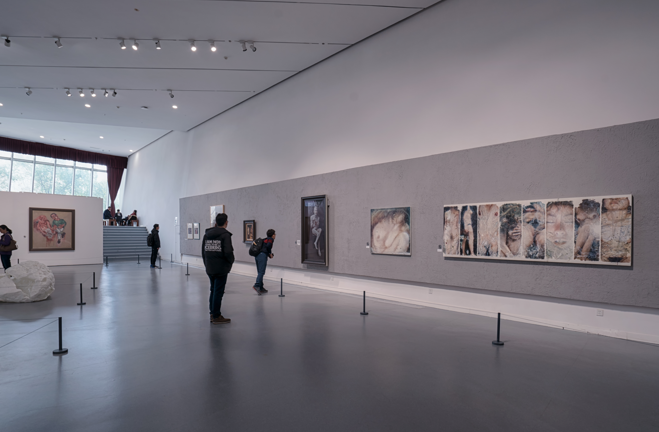
The prevalence of museum culture stems from a two-way interaction between cultural institutions and the public. As living standards improve, public consumption preferences have shifted from material satisfaction to knowledge-oriented and aesthetic cultural experiences. Museums precisely cater to this trend by delivering accessible, educational and visually appealing cultural services.
Young visitors form the core driving force behind the museum boom. Generations born in the 1990s and 2000s have become major consumers of museum cultural and creative products. For contemporary visitors, museum trips serve multiple purposes, broadening horizons, enriching knowledge and fulfilling emotional and spiritual demands through direct dialogue with historical relics.
Chinese museums are continuously upgrading public cultural services to break their traditional solemn and distant image. Many venues extend opening hours and launch immersive night tour programmes to accommodate visitors’ diverse schedules. Barrier-free facilities and tailored exhibition spaces have been widely installed to optimise visitor experience. A variety of interactive events and cultural markets have also been introduced to make traditional heritage more approachable to the public.
Digital innovation and modern aesthetic design further fuel the nationwide museum craze. Cultural relics with unique artistic charm have gained widespread online popularity. The painted pottery figurines dating back to the Northern Wei Dynasty displayed at Luoyang Museum have become iconic exhibits, drawing constant crowds of tourists who come to appreciate their elegant shapes and profound cultural connotations.
Moving forward, Chinese museums will continue to refine public service quality and adopt lively, modern approaches to activate traditional cultural resources. More knowledge-based and entertaining social education activities and creative cultural products will be developed to realise integrated progress in cultural inheritance and economic benefits, enabling audiences to enjoy immersive and high-quality cultural exploration experiences.