Rose Industry Blooms in Qingdao, Driving Rural Revitalisation Through Agritourism
In Lingshan Subdistrict, Jimo District, Qingdao, a thriving “Rose Plus” model is reshaping rural development, creating a vibrant characteristic town and beautiful countryside. The area has built a complete ecological rose industrial chain covering edible flowers, tourism and daily chemical products, with agritourism integration becoming a key engine for rural revitalisation in the region.
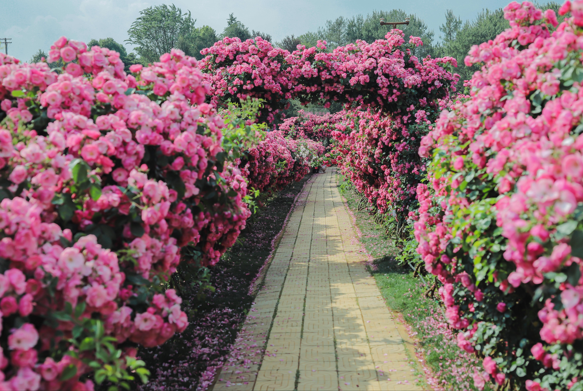
The rose industry here centers on a large-scale “Rose Town” industrial park, which cultivates over 600 rose varieties from across the globe. The park integrates three core sectors: edible rose cultivation, ornamental and cut flower production, and rose product research and processing. This integrated system ensures every part of the rose is utilised, supporting the production of rose pudding, rose hydrosol and other daily chemical goods, adding tangible value to the agricultural output.
Agritourism lies at the heart of the local development strategy. During the blooming season from late spring to early summer, the sprawling rose fields attract crowds of visitors. The industrial park features dedicated sightseeing routes, allowing tourists to wander through the sea of flowers, experience flower picking and explore processing workshops. This blend of agriculture and tourism not only boosts local service income but also raises the profile of the rural area.
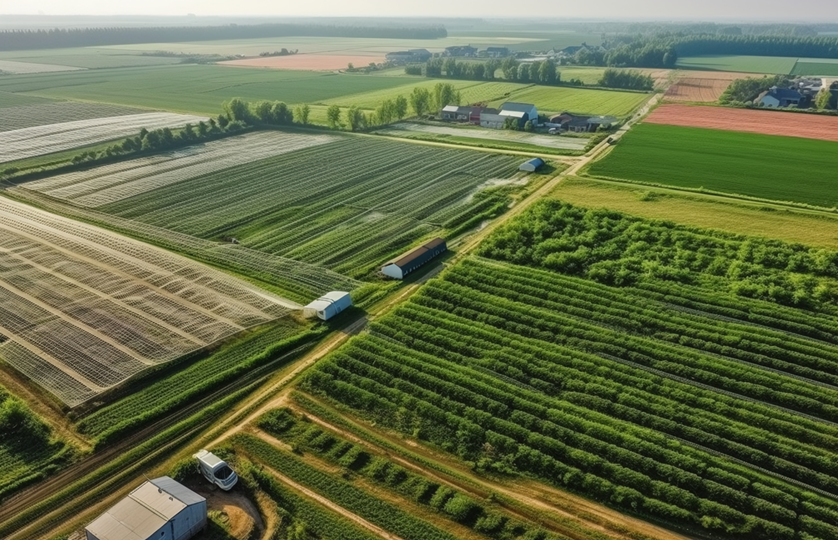
Behind the flourishing rose economy lies a robust industrial support system. The subdistrict has introduced leading enterprises to drive development, forming a “leading enterprise plus farmers” model that links small-scale producers to the wider market. Land circulation of 22,000 mu has enabled the construction of over ten characteristic industrial parks, including rose and traditional Chinese medicine bases. This structure ensures stable raw material supply, consistent product quality and steady income growth for local farmers.
The environmental and social benefits of the model are equally notable. All rose cultivation adheres to eco-friendly standards, with no pesticides or preservatives used in the production process. The well-maintained flower fields and green landscapes enhance the rural ecological environment, creating a picturesque living space. Meanwhile, the industry provides substantial local employment, from planting and harvesting to processing and tourism services, strengthening the rural economy and community stability.
Looking ahead, Lingshan Subdistrict will expand the “Rose Plus” model further. Plans include developing deep-processing projects to diversify rose products and launching themed cultural events to extend the agritourism value chain. The area will continue to optimise industrial layout, integrating rose cultivation with cultural creativity and health preservation to build a distinctive rural development brand.
As a successful example of rural industrial transformation, the rose economy in Jimo District demonstrates how integrating modern agriculture with tourism can unlock rural potential. The model offers a replicable path for rural revitalisation, balancing ecological protection, industrial growth and farmer prosperity.