Baiyangdian Lake Ecological Restoration Delivers Sustained Water Quality and Biodiversity Gains in Xiong'an
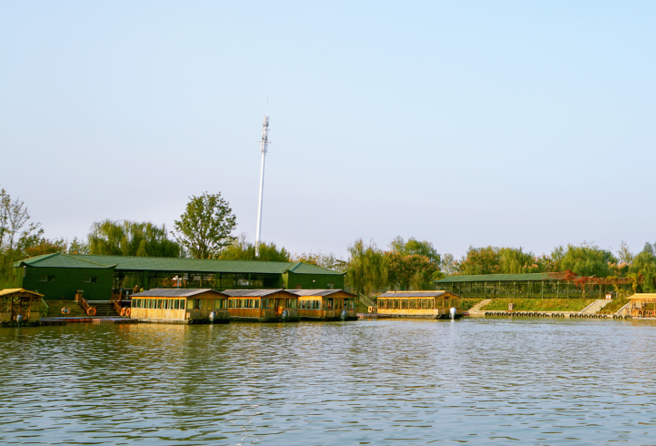
Early summer paints a vivid scene across Baiyangdian Lake in Hebei’s Xiong’an New Area, where clear waters blend with lush reeds to form an expansive blue-green ecological landscape. In recent years, Hebei has intensified ecological restoration and protection, driving steady improvements in the lake’s environment. By 2025, Baiyangdian has maintained Grade III water quality for five consecutive years, with its water surface area recovering to around 290 square kilometres and water levels stabilising at approximately seven metres, according to Xinhua News Agency.
As North China’s largest freshwater wetland and a critical ecological pillar for the Beijing-Tianjin-Hebei region, Baiyangdian has undergone its most systematic ecological transformation since the establishment of Xiong’an New Area. Decades of water shortages, pollution and habitat fragmentation once degraded the lake, but large-scale coordinated interventions have reversed these trends.
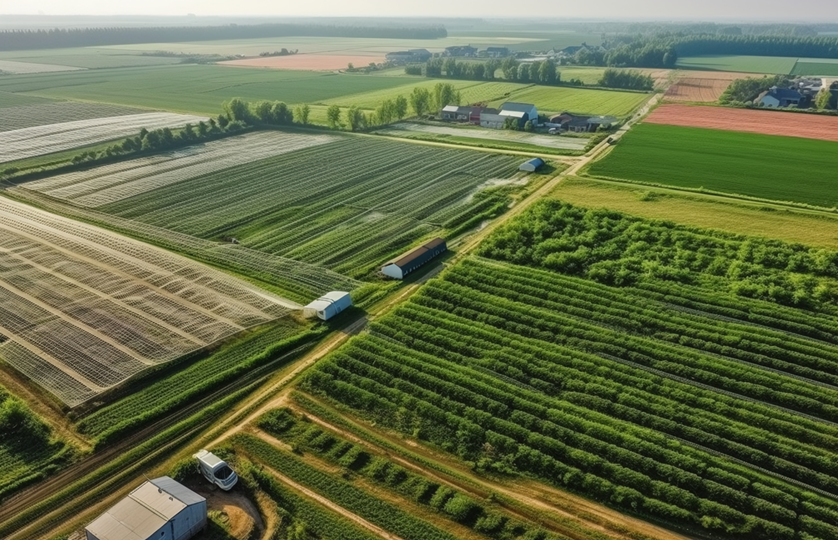
Restoration efforts centre on four core pillars: dredging, interlinking waterways, ecological replenishment and pollution control. Major projects include the desilting of 27 million cubic metres of sediment across four phases, the connection of 143 scattered (lakes) via 212 kilometres of channels, and the removal of over 300 kilometres of old embankments. To date, 74.22 square kilometres of former farmland have been returned to wetland, expanding the water area by 26 square kilometres and restoring ecosystem integrity.
Water quality has improved from the worst Grade V to stable Grade III, the highest standard since monitoring began in 1988. This progress supports a remarkable recovery in biodiversity. Wild bird species have risen to 296, an increase of 90 from pre-Xiong’an levels, while wild fish species have rebounded to 50. Rare species such as the Baer’s pochard and glossy ibis are now regular visitors, and underwater vegetation—often described as an “underwater forest”—has flourished across the lakebed.
Ecological water replenishment has been vital to maintaining stable hydrology. Water from the South-to-North Water Diversion Project, the Yellow River and local reservoirs has been channelled into the lake, ensuring water levels remain around seven metres. This consistent supply has reduced the risk of drought and supported the recovery of wetland habitats.
Looking ahead, management will focus on consolidating restoration gains and balancing ecological health with sustainable development. Authorities will continue to refine monitoring systems, protect bird habitats and promote eco-friendly industries that align with the lake’s conservation goals. The revival of Baiyangdian demonstrates how long-term, science-based governance can restore degraded wetland ecosystems, offering a robust model for large-scale ecological restoration across northern China.