Art Exhibitions and Cultural Merchandise Fuel China’s Upgraded Experience-driven Consumption
A blockbuster art exhibition showcasing masterpieces from the Italian Renaissance is drawing massive public attention at the National Art Museum of China. Titled Tribute to Great Masters: From Da Vinci to Caravaggio, the display features 36 classic artworks, attracting streams of visitors nationwide. Crowds linger before each painting to appreciate the delicate textures, intricate garment folds and timeless artistic charm of centuries-old masterpieces.
Booming on-site exhibition enthusiasm extends fully to cultural and creative merchandise consumption. Several themed merchandise items have sold out rapidly since the exhibition opened, with plush dolls designed after Renaissance art masters becoming highly sought-after collectibles. Adopting a limited sales policy with single-item purchase limits per visitor, the museum store has sparked widespread online discussion and sharing, amplifying cross-platform popularity and market influence.
The integration of high-end art exhibitions and trendy cultural merchandise bridges elite classical art and daily public life. This dual boom of exhibition visitation and cultural product consumption reflects profound upgrades in China’s cultural consumption landscape and reveals robust market potential for experiential and emotional-driven consumption.
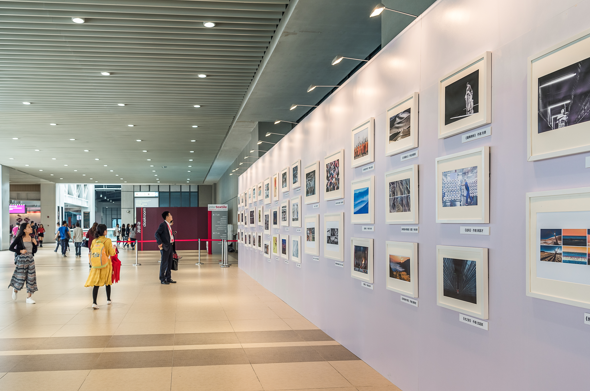
Visiting art and museum exhibitions has evolved into a mainstream lifestyle consumption choice for ordinary citizens. Diverse high-quality exhibitions covering overseas fine arts, domestic cultural relics, historical themes and contemporary art consistently achieve full bookings at major venues. Another popular cultural exhibition themed on Li Jingxun and her era has also gained wide public favour, with its golden hairpin cultural merchandise emerging as a viral bestseller. Immersive viewing experiences and derivative product consumption allow audiences to inherit aesthetic traditions and civilisational heritage while extending artistic enjoyment into daily life.
Cultural and creative industries are undergoing profound structural transformation, shifting from simple content display to integrated new formats featuring content, immersive experience and IP empowerment. Industrial players across sectors are enriching cultural value connotations through innovative operational models. The gaming industry expands narrative boundaries via original themed stories to build cross-media co-creation ecosystems. Trendy toy enterprises move beyond traditional image replication, launching serialized comics, animation clips and immersive experience spaces centred on original IPs to strengthen cultural communication vitality.
Modern cultural industrial chains have developed into diversified creative value systems covering content creation, scenario construction, digital interaction and derivative development. Guided by market demand, precise high-quality supply adapts to upgraded consumption needs and fosters new consumption trends. Driven by the thriving experience economy, new consumption scenarios including immersive cultural scenic spots and city-specific exhibition tourism are becoming vital growth drivers for domestic consumption.
Continuous optimisation of supply structures and personalised scenario creation will further activate the vitality of cultural consumption. Integrated cultural business models will keep reshaping industrial development paradigms and unlock broader market space for high-quality cultural economic growth.