Sports Events Drive Integrated Consumption and Industrial Upgrading Across Chinese Cities
China’s major cities are leveraging diverse sports events to boost consumption vitality and accelerate industrial integration, in line with national policy guidance for high-quality sports industry development. Issued by the General Office of the State Council, the national policy promotes integrated development of business, tourism, culture, sports and wellness sectors, and supports coordinated planning of competitions, exhibitions, festivals and tourism to enrich industrial formats and unlock sports consumption potential.
Jilin City in Jilin Province has built a distinctive winter sports tourism ecosystem centred on its annual Wusong Cup Ice Hockey Super League. The year-round tournament gathers teams from nine county-level regions, drawing massive participation from ice sports enthusiasts. The event has surpassed 20 million online and offline viewership visits since its launch.
The city integrates ice hockey competitions with local tourism resources, launching over 20 themed travel routes that connect stadiums with scenic spots, museums and cultural sites. Complementary supporting activities including characteristic bazaars and lake fish feasts extend the consumption chain. During the May Day holiday, the city received 3.85 million domestic tourist visits with total tourism spending reaching 3.28 billion yuan. Local authorities will further cultivate winter sports event IPs to realise year-round development of ice and snow industries and empower urban vitality.
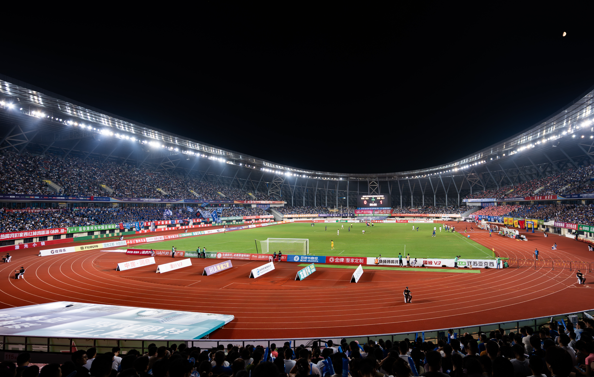
Shanghai adopts an innovative ticket linkage model to expand sports consumption scenarios. Major events including the Shanghai Equestrian Championship and China Supercar Championship offer exclusive discounts for ticket holders across catering, shopping, hotel accommodation and scenic spot visits. The multi-scenario consumption mechanism effectively extends industrial value chains. The three-day equestrian event attracted 23,000 on-site spectators, with official merchandise sales rising 20 percent year on year. The supercar championship saw all 50,000 tickets sold out 45 days in advance, driving a 200 percent year-on-year increase in hotel bookings in Jiading District and a 10 percent rise in surrounding commercial district footfall.
Chengdu, a national pilot city for sports consumption and event economy development, fuels industrial expansion through high-standard events and targeted enterprise services. The Chengdu Tianfu Greenway International Cycling Race has sparked a citywide cycling boom, driving robust sales of cycling equipment and supporting the growth of local sports manufacturing enterprises. From January to April this year, the city’s sports industry scale reached 47.81 billion yuan, marking a 9.6 percent year-on-year increase. The city’s total sports industry output exceeded 150 billion yuan in 2025.
Local authorities deliver regular services for sports enterprises, resolving hundreds of operational difficulties via dedicated service mechanisms to optimise the business environment. A host of innovative sports products have been locally developed and manufactured, attracting continuous industrial investment. Chengdu will host multiple influential international events for the rest of the year, further expanding product and service supply and fostering emerging sectors including outdoor sports, ice sports and esports to sustain industrial growth momentum.