Proposal for National Ethnic Pattern Gene Database to Boost Cultural Inheritance
During the National Two Sessions, a deputy to the National People's Congress and member of the Standing Committee of the National People's Congress put forward a proposal to establish a national characteristic ethnic pattern gene database, aiming to find a new path for the inheritance and transformation of ethnic patterns that embodies the concept of "each beauty in its own way, and all beauties in harmony".
From the "Hamur" patterns on Mongolian yurts to the "Phoenix Piercing Peony" motifs on Zhuang brocade, ethnic patterns serve as an important carrier of the cultural heritage of all ethnic groups in China, bearing rich historical memories, cultural connotations and artistic value. Against this backdrop, the proposal responds to the deployment of "strengthening the protection and inheritance of cultural heritage" proposed in the draft outline of the 15th Five-Year Plan, exploring practical ways to implement this initiative in the field of ethnic patterns.
In recent years, domestic academic circles have paid increasing attention to ethnic patterns. Not only has the number of relevant research papers grown, but some universities and research teams have also built various ethnic pattern databases to explore their transformation and application. However, investigations have found that existing databases lack interconnection and sharing, forming "data silos". Moreover, many databases remain at the level of "pattern digitization", with insufficient excavation and annotation of the "genetic information" behind the patterns, such as their cultural semantics, historical context and craftsmanship.
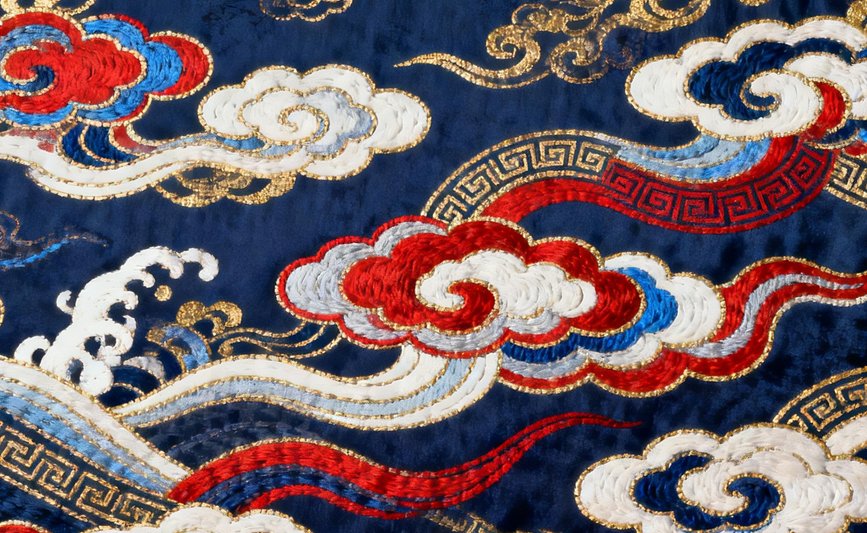
These shortcomings in database construction have restricted the research, protection and innovative application of pattern resources. Some patterns are on the verge of disappearance due to broken inheritance, and the fact that some ethnic patterns have been preemptively digitized by foreign institutions for commercial development has raised concerns about the risk of Chinese cultural resources being lost.
To address these issues, the proposal suggests giving full play to the resource advantages of university libraries in border ethnic areas, supporting them to build ethnic pattern databases, and cooperating with local cultural centers and intangible cultural heritage protection centers to conduct resource collection and digital processing in accordance with national unified standards. At the same time, it proposes developing in-depth annotation and cultural analysis systems, establishing application transformation and innovation service platforms, and setting up a hierarchical authorization mechanism of "public resources + authorized resources" and a benefit-sharing mechanism to provide comprehensive support for the inheritance, protection, research and transformation of pattern resources.
For instance, pattern resources can be developed into aesthetic education course resource packages for primary and secondary schools, and transformed into digital cultural and creative products and immersive experience projects for local cultural and tourism programs.
It is pointed out that establishing a national characteristic ethnic pattern gene database will not only help inherit and protect fine traditional Chinese culture and consolidate the sense of community for the Chinese nation, but also provide data support for ethnology, art history, cultural and creative industries, promoting the integration of cultural and tourism and the digital economy. Additionally, it will help China grasp cultural interpretation rights globally and resist "cultural appropriation".