China Unveils AI-energy Integration Roadmap Amid Surging Computing Power Electricity Demand
China’s computing infrastructure electricity consumption maintains robust growth alongside the rapid expansion of artificial intelligence industries, as authorities push forward in-depth integration between AI technology and energy systems. A national on-site promotion conference focused on AI and energy integration released updated operational data and future development arrangements on May 26.
According to official figures from the National Energy Administration, China has built 42 super-scale computing clusters by 2025. The total power consumption of national computing centres reaches 170 billion kilowatt-hours, accounting for 1.6 percent of the country’s total social electricity usage. The eight hub nodes of the national integrated computing network serve as the primary driver of electricity growth, registering an average annual growth rate of 39.5 percent over the past three years, far outpacing the overall growth of social power consumption.
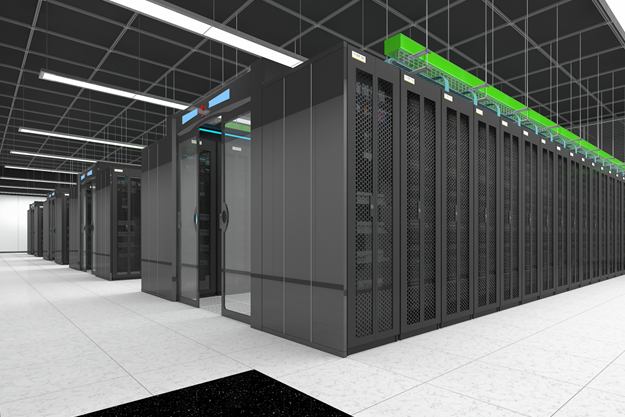
AI industrial iteration is reshaping domestic power consumption characteristics. The rapid upgrading of ultra-large-scale computing clusters and the concentration of advanced productive forces such as chip manufacturing have formed high-speed, high-density and centrally distributed electricity loads. Higher power supply quality standards are required for sophisticated computing equipment, as minor fluctuations in voltage and frequency may trigger data errors and equipment failures.
Forward-looking consumption projections show continuous expansion in power demand from the digital economy. The computing sector is expected to add over 100 billion kilowatt-hours of electricity consumption annually during the 15th Five-Year Plan period. By 2030, national computing power electricity usage will rise to 800 billion kilowatt-hours, making up around 6 percent of total social power consumption.
China has established solid foundations for coordinated development between AI and energy sectors. The country operates the world’s largest power system with reliable supply capacity. Optimised power business services have saved enterprises more than 300 billion yuan in investment costs, with multiple power access indicators reaching international advanced levels.
Green energy support further consolidates sustainable development potential. China’s green power trading volume hit 3285 billion kilowatt-hours last year, with expanding cross-regional transaction scales. The country hosts the world’s largest green certificate market, recording 930 million traded green certificates. New data centres in key computing hubs including Hohhot and Qingyang achieve a green power consumption ratio exceeding 80 percent.
Targeted measures will be implemented to deepen dual empowerment between AI and energy industries. State-owned energy enterprises will open high-value industrial scenarios under safety premises, while private enterprises will participate in technological research and solution development. Future work priorities cover power quality improvement, cross-industry collaboration, core technological breakthroughs, industrial ecosystem optimisation and refined governance of AI applications in the energy sector.