China Boosts Industrial Synergy to Foster New Productive Forces
Industry serves as a crucial carrier for translating technological innovation into tangible outcomes and accelerating the cultivation of new productive forces. Promoting synergy between future industries, emerging industries and traditional industries has become a pragmatic measure to address industrial development bottlenecks and a necessary choice for long-term development based on national strategic layout, China Economic Net reported.
Currently, China’s future industries maintain a sound development momentum, emerging industries continue to expand in scale, and traditional industries remain the cornerstone of the real economy. Together, they form a strong driving force for high-quality development. However, challenges persist, such as some future industries being disconnected from practical needs and insufficient integration between emerging and traditional sectors.

To tackle these issues, China is advancing a three-pronged approach. Future industries, as the guide, are expanding development space by linking with emerging and traditional sectors. For instance, breakthroughs in future aerospace technology not only fuel the growth of emerging low-altitude economy but also inject vitality into traditional agriculture and transportation, forming an integrated ecosystem in manufacturing hubs like Guangdong.
Emerging industries act as a bridge between future and traditional sectors. The “East Data West Computing” project, a major national strategic initiative, relies on emerging industries such as integrated circuits to strengthen computing power foundations. Wulanchabu in Inner Mongolia, with its favorable climate and high proportion of green electricity, has gathered numerous data centers supporting future industries like quantum computing while underpinning the digital transformation of traditional sectors, The State Council of the People's Republic of China noted.
Zoomlion’s Excavator Shared Manufacturing Intelligent Factory exemplifies this synergy. “By widely applying AI technology, we have achieved a major business model shift from ‘production-driven’ to ‘demand-driven’,” said Chen Lu, assistant general manager of Zoomlion’s Overseas Company. China News Service reported that the factory rolls out one excavator every six minutes, with AI application rate exceeding 80%.
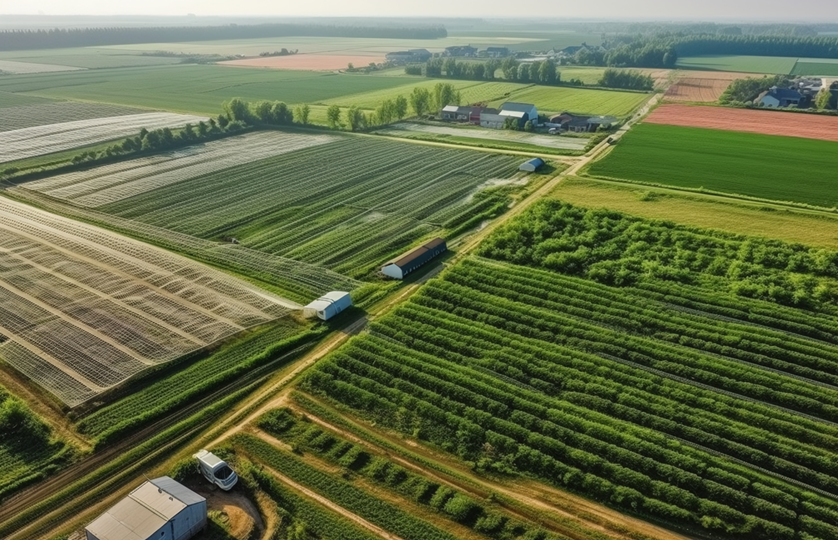
Traditional industries, as the foundation, provide abundant application scenarios for future and emerging sectors. In steel and textile industries, quantum technology and bio-manufacturing help achieve green transformation, while northern wheat bases use drones for precise farming, integrating low-altitude economy with traditional agriculture.
As the 15th Five-Year Plan period approaches, China will further strengthen policy guidance, establish cross-industry coordination mechanisms and optimize investment and talent support to promote in-depth integration, ensuring traditional industries thrive, emerging industries upgrade and future industries take root.