Grain and oil sectors need better alignment between production and demand
According to Economic Daily via China Economic Net on 26 November, China’s grain and oil sector is undergoing structural adjustment as consumer demand shifts from securing sufficient food to seeking nutritious, high-quality produce. The core of this shift lies in matching output to market requirements and securing fair prices for quality goods.
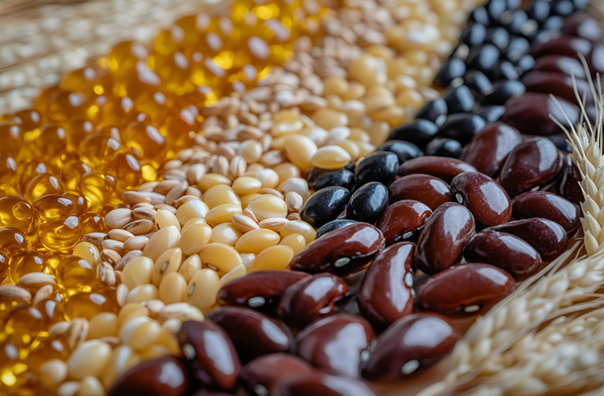
National grain supply remains ample, with the total grain output reaching 14,297.5 billion jin in 2025. Per capita grain availability stands above 500 kilograms. Regional supply chains have developed, moving premium rice, wheat and edible oil directly from growing areas to processors and retail outlets across the country.
Sufficient aggregate supply does not automatically match segmented consumer needs. Some growing areas retain a narrow focus on output targets and respond slowly to niche demand for low-GI grain flour, cold-pressed oils and selenium-enriched rice. Small-scale producers often rely on past market trends rather than updated consumer standards. Processors struggle to source consistent specialist raw materials while farmers face difficulty selling harvested crops, creating bottlenecks that hinder high-quality industrial development.
Long production cycles contribute to mismatched supply and demand. A full crop cycle covers cultivation, harvesting, drying, storage, processing and distribution, and breeding new varieties can take around ten years, while consumer tastes change rapidly. The article states that effective alignment should not force producers to adapt unilaterally to market swings or transfer market risks to growers. It requires stable mechanisms guided by market signals, linking variety selection and quality control to real consumer demand.
Three key challenges are identified. Barriers to information flow must be removed to carry market signals to farms. Integrated platforms connecting consumers, distributors, processors and growers can capture demand for specialist, green and deeply processed products, translating consumer preferences into clear crop and quality standards. Regular trade fairs and order negotiations anchor planting plans to market needs and ease the coexistence of unsold stock and supply shortages.
Supply systems require iterative upgrading. Local resource endowments should shape supply structures. Processing operations can move beyond basic milling and oil pressing to develop specialist, functional and convenient goods for baking, light meals, elderly nutrition and household catering. Investment in logistics, warehousing and handling infrastructure supports graded storage and targeted processing, delivering better returns for quality grain and oil.
Distribution links need smoother two-way connections. Food retailers and processors can form early agreements with production bases, locking in variety, quality and purchase prices. Contract farming backed by insurance stabilises growers’ income. Short distribution channels such as live-stream sales and direct farm supply reduce intermediate links. Regional public branding and traceability systems foster a positive cycle where consumption guides production.
热门内容推荐