Northern Simandou mine enters full operation under China Baowu’s controlling stake
According to China Baowu Steel Group Corporation Limited, published on 13 November 2026, the second production line of the Baoying Simandou mine was brought into service after a successful full‑load trial run of the downhill conveyor system in Zone CS on 6 November local time. The milestone fell on the first anniversary of the opening of the project’s first line, marking the full commissioning of the integrated mine, railway and port chain for the northern Simandou development and the formal shift from construction to operational phase.
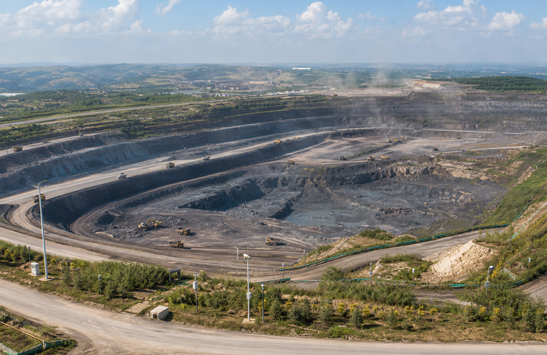
The Simandou site in the Republic of Guinea, West Africa, hosts a world‑class high‑grade open‑pit haematite deposit. This integrated overseas resource scheme, which combines mining, rail and port infrastructure, carries a total investment of more than 20 billion US dollars. The Simandou concession is split into northern and southern blocks. The northern development covers Blocks 1 and 2 alongside associated rail and port works, holding approximately 1.54 billion tonnes of ore at an iron grade of 65.28 per cent. Its planned annual output stands at 60 million tonnes, divided equally between the two production lines at 30 million tonnes each.
China Baowu opened discussions with the Winning Consortium on the northern Simandou block in 2020 and facilitated co‑ordinated development alongside Rio Tinto, Aluminium Corporation of China and the Guinean authorities. The group acquired a 49 per cent holding in the northern mine in June 2024, and the scheme came on stream two months ahead of schedule in November 2025 with support from fellow shareholders and contractors. In January 2026, China Baowu raised its stake to 51 per cent to become the controlling shareholder.
Since the launch of the first line, China Baowu has co‑ordinated the ramp‑up of that stream while accelerating construction of the second. Operators refined the full production sequence, from open‑pit extraction and crushing to stockpiling and rail loading, lifting daily output and shipping more than ten million tonnes of finished ore in total. Work on the second line progressed amid complex geology, narrow construction windows in the rainy season and lengthy cross‑border supply chains. Teams completed key works including the safe breakthrough of the CV3 conveyor tunnel and the successful full‑load test of the Zone CS downhill conveyor before the final commissioning date.
At the height of construction, the project created more than 60,000 local jobs, with a local employment share of 73 per cent. Works also included community roads, schools and medical facilities to support local development. Once fully operational, the site will supply low‑carbon raw materials for steel production across China and the wider global industry, while delivering sustained economic benefits for Guinea.
热门内容推荐