Shandong provincial state enterprises tap the “fifth energy” to advance low‑carbon growth
According to the Shandong Provincial State-owned Assets Supervision and Administration Commission on 3 November 2026, energy conservation is widely known as the “fifth energy”, alongside coal, oil, natural gas and non‑fossil fuels. Provincial state‑owned enterprises in Shandong have embedded energy‑saving measures into core operations to unlock efficiency gains across industrial lines.
Shandong Iron and Steel Group targets process‑side savings by recovering by‑product gas. Its Gangcheng base uses an intelligent energy dispatching model to balance gas supplies, bringing blast furnace and coke oven gas discharges close to zero. On‑site power generation now accounts for 76.6 per cent of the site’s electricity, while electricity costs per tonne of steel have fallen by 12.6 yuan year on year. The Rizhao base of Shandong Iron and Steel Company generates 1.15 billion kilowatt‑hours each year from waste heat and pressure. Twelve waste heat stations and a 38‑kilometre heating network supply industrial residual heat to more than 5,000 households and over 700 aquaculture operators in Taoluo town.
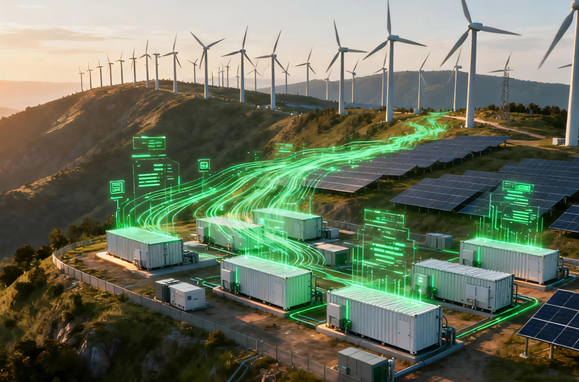
Work to cut power consumption runs in parallel. Upgrades to the blower for No 3 blast furnace at the Rizhao facility reduce energy use by 3.05 per cent and cut annual electricity bills by 4.95 million yuan. High‑voltage variable‑frequency drives fitted to descaling pumps at the hot rolling mill save more than 7 million kilowatt‑hours each year. Unit power consumption for milling, flotation and crushing at Jinling Mining has dropped by 8 per cent, 10 per cent and 12 per cent respectively. An integrated energy and carbon data centre operated by Shandong Iron and Steel Company gathers readings from more than 200,000 monitoring points, with fully consistent source data for energy and carbon metrics.
Port operators roll out shore power and low‑carbon inland transport systems. Qingdao Port applies tailored vessel plans to connect ships to shore power wherever practicable. Yantai Port has established the first standardised shore power operating framework for domestic ro‑passenger terminals. Cumulative shore‑power supply to ro‑passenger vessels exceeded 33 million kilowatt‑hours by the end of September 2026, serving more than 13,000 vessel calls.
Rizhao Port has built automated, modular covered stockyards for coke and the nation’s first enclosed storage facility for imported iron ore fines on China’s coast. The setup replaces open transfer workflows with closed, streamlined handling, lifting throughput by 150 per cent and cutting energy consumption by 20 per cent. A 53.6‑kilometre network of belt and pipe conveyors in the southern operational zone of Shijiu Port handles dry bulk cargo with the same efficiency and energy performance improvements. Bohai Bay Port’s integrated wind, solar, energy storage and hydrogen system reduces annual energy costs by more than 12 million yuan and cuts carbon emissions by 75,000 tonnes.
Shandong Ocean Holdings deploys green marine technology on active vessels. A self‑developed low‑ and medium‑temperature waste‑heat magnetic levitation power unit recovers heat from engine jacket water and surplus steam to feed electricity into the main onboard grid. The system has been retrofitted on the 400,000‑tonne very large ore carrier *Shandong Dade*, delivering projected annual fuel savings of more than 200 tonnes and carbon reductions of roughly 600 tonnes. A 325,000‑tonne methanol dual‑fuel ore carrier under construction carries five tiltable Flettner rotors, which harness the Magnus effect to provide auxiliary thrust and cut carbon dioxide output by about 3,400 tonnes each year. The 250,000‑tonne ore carrier *Shandong Hexie* mounts 144 photovoltaic panels on its deck to form an onboard microgrid that displaces some diesel generation. More than ten large bulk carriers have also received hydrodynamic stern modifications, delivering measured fuel savings of 5.3 per cent, cumulative carbon reductions of around 48,000 tonnes and carbon credit revenue exceeding 55 million yuan.
Process upgrades operated by Shandong Environmental Group convert residual heat and pressure into clean power across waste incineration, secondary lead smelting and wastewater treatment sites. A variable‑frequency “one‑drive‑three” control system for air compressors at Dongying Huayuan Power Plant saves 250,000 kilowatt‑hours each year. At Guizhou Lukong, high‑temperature flue gas reaching 1,300 degrees Celsius from secondary lead smelting passes through waste‑heat boilers to raise steam and drive turbine generators. The site delivers 15.89 million kilowatt‑hours of net power annually, reaching 18 per cent energy self‑sufficiency, saving roughly 2,000 tonnes of standard coal and cutting equivalent carbon dioxide emissions by 4,200 tonnes.
Changle Sapphire Water Treatment replaces external carbon feedstock with microbial agents, cutting daily carbon dosing from between seven and ten tonnes to zero and trimming annual operating costs by more than 500,000 yuan. Lukong Suihua optimises food waste processing to achieve full utilisation of biogas, reducing annual operational expenditure by over 2.59 million yuan.
The provincial state enterprises will continue to unlock the potential of the “fifth energy”, translating energy and carbon savings into operational momentum for high‑quality development within Shandong’s pilot zone for green and low‑carbon growth.
热门内容推荐