China Datang’s clean energy output rises by 5.93 per cent in first three quarters
According to China Datang Corporation Limited, the group’s clean energy power generation rose by 5.93 per cent year on year across the first three quarters.
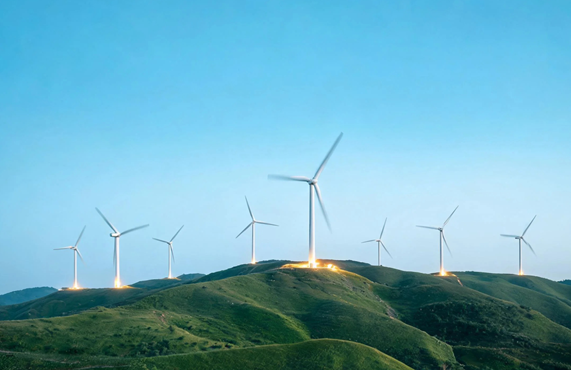
For wind power operations, the group carried out targeted equipment work and scheduled inspection and defect rectification, which brought a marked fall in total turbine failures. Jinpingxi Wind Farm, the country’s largest plateau mountain wind base with a capacity of one million kilowatts, rolled out a dedicated management improvement programme.
The site raised turbine availability hours and ran regular equipment checks, site inspections and fault remediation for major turbine components. Its power output for the period increased by 14.52 per cent compared with the same period a year earlier.
Huaisuo Wind Farm in western Inner Mongolia adjusted operational plans to match local wind resources, strengthened precision maintenance and enforced closed-loop rectification of identified defects. It also ran fault screening and technical upgrades for its turbines, lifting equipment availability and recording a 7.12 per cent year‑on‑year output rise.
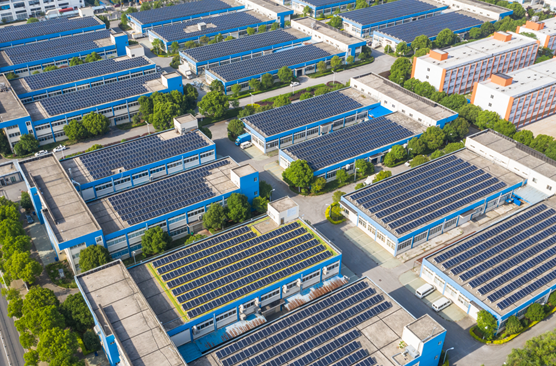
In solar power, the group pushed efficiency gains through tighter technical oversight and refined equipment management at its photovoltaic stations. The Hami operation centre in Xinjiang carried out recurring rolling inspections of photovoltaic module support frames, checking 45,718 frames and adjusting 846 units with angular misalignment. Its photovoltaic generation climbed 40.82 per cent year on year.
The Shimen photovoltaic station under the Tuoketuo New Energy Division used drone surveys to locate underperforming modules for repair or replacement, reducing zero‑current strings, and cleaned cooling fans on inverters.
The station produced 137 million kilowatt‑hours in the first three quarters, a rise of 6.58 per cent year on year.
For hydropower, China Datang optimised cascade joint scheduling and aligned maintenance timetables to make efficient use of water resources. Longtan Hydropower Plant drew on artificial intelligence inflow forecasting and smart scheduling systems while upholding flood safety rules. Continuous intelligent monitoring and alerting supported coordinated flood control and power generation, delivering an 85 per cent year‑on‑year increase in output.
The Shaanxi Hydropower Division coordinated cascade operations across river basins, adjusted reservoir drawdown schedules and intensified inspection and defect handling. Teams tracked hydrological and meteorological shifts to seize favourable inflow windows and prioritised every available unit of generation, lifting its hydropower output by 62.89 per cent year on year.
热门内容推荐