Xinjiang’s First Coal-to-Olefins Project Marks Ten Years of Operational Development
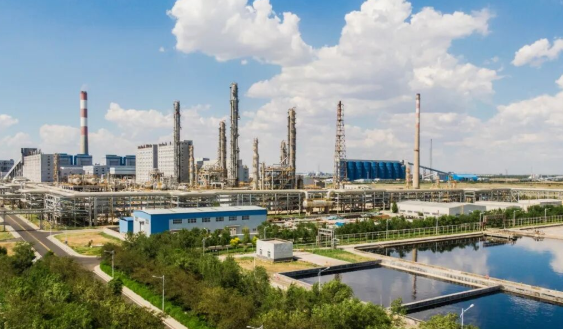
According to China Energy Investment Corporation, published 19 October 2026, Xinjiang Chemical, a subsidiary of the group, runs Xinjiang’s first and only operational 680,000-tonne-per-annum coal-to-olefins facility. The plant achieved successful start-up on 3 October 2016 and produced qualified polyolefin products, turning coal from a fuel feedstock into a chemical raw material.
The site holds national certification as the first “Green Factory” in China’s coal chemical sector and the first national water efficiency leader among coal-to-olefins installations. Independent technical development has cut energy, water and coal consumption per unit output to sector-leading levels. The in-house SHMTO methanol-to-olefins patented technology was developed to tackle low reaction yields and high energy use seen on comparable MTO units. The business, working alongside research bodies, has also domesticated catalysts for large-scale methanol synthesis reactors, with performance verified by the China Petroleum and Chemical Industry Federation. A range of core process equipment, including polypropylene powder conveying fans, gasifier burners and polyethylene extruder dies, has been deployed using home-grown technology.
The business has expanded cross-border polyolefin sales under frameworks linked to the Belt and Road Initiative. Its first export shipment left the site in 2022, and dedicated Central Asian rail freight services launched in 2023. Export volumes doubled in 2024, and full-train orders from Central Asian buyers were secured in 2025. The “Blue Bag” product brand has been established for Central Asian markets by 2026, with sales channels opened across South America, Africa, Europe and Southeast Asia. Cumulative polyolefin exports exceeded 190,000 tonnes by the end of September 2026. Six high-value polyolefin product lines have been developed to meet customised and premium downstream manufacturing requirements.
Environmental upgrades have been rolled out across the site. Upgrades for volatile organic compound control deliver emissions readings well below national ultra-low emission standards. Water conservation works earned the installation recognition as a 2024 national water efficiency leader for key water-using enterprises from the Ministry of Industry and Information Technology, the first coal-to-olefins plant to receive this designation. Works covering gasification slag dewatering, carbon dioxide adsorption and crystalline salt upgrading support full resource recovery of crystalline waste salt and the safe disposal, volume reduction and reuse of solid residues.
A supporting carbon capture, utilisation and storage pipeline scheme, the largest of its kind for Xinjiang’s coal chemical industry at the time of completion, was commissioned in 2023. The facility has an annual carbon capture capacity of 1.1 million tonnes, and more than 660,000 tonnes of carbon dioxide had been delivered off-site by August 2026.
Dedicated international freight trains carry polyolefin consignments to overseas markets. The operation combines domestic technical capability, diversified product ranges and low-carbon process upgrades.
热门内容推荐