From Electric Vehicle Batteries to Automotive Components: Chinese Industrial Investment Broadens Morocco’s Manufacturing Ambitions
Morocco is strengthening its position as a destination for Chinese industrial investment, with projects covering both electric vehicle batteries and automotive components. Two developments illustrate this diversification: Gotion High-Tech’s battery gigafactory in Kénitra (an industrial city approximately 40 kilometres north of Rabat, Morocco’s capital) and Hangzhou Radical Energy-Saving Technology’s planned automotive bearing factory in Tangier (a major port city in northern Morocco). Although the projects are independent, they reflect growing Chinese interest in Morocco as a manufacturing base serving international markets. Morocco’s strategic location between Europe and Africa, combined with its Atlantic and Mediterranean coastlines, has supported the development of an export-oriented industrial sector. The country has invested in transport infrastructure, industrial zones and automotive manufacturing, attracting international companies seeking access to European, African and other markets.
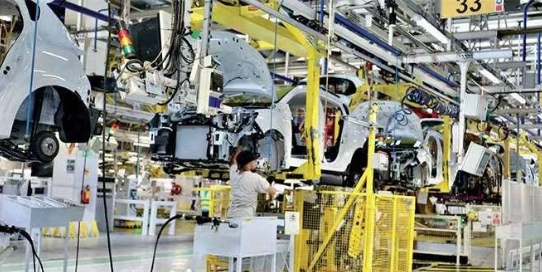
Gotion High-Tech’s project is located in the Atlantic Free Zone (an industrial park near Kénitra designed to host manufacturing and export-oriented businesses). According to reports published in October 2026, the company was preparing to begin commissioning its battery factory during the week of October 20. Commissioning involves testing and validating equipment before production begins, meaning that this milestone does not necessarily indicate full commercial operation.
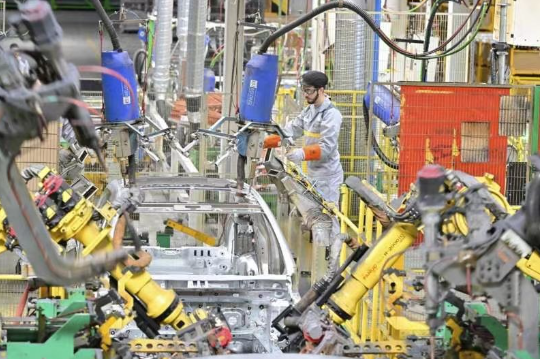
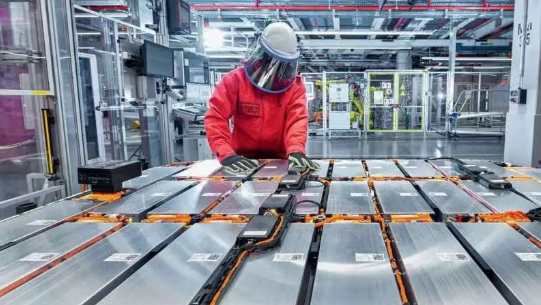
The first phase is designed to achieve an annual production capacity of 20 gigawatt-hours of battery cells, a unit measuring large quantities of energy that, in this case, indicates planned yearly production capacity. The investment has been reported at approximately 13 billion Moroccan dirhams, or around $1.3 billion. The factory is expected to manufacture lithium iron phosphate batteries, known as LFP batteries (a type of lithium-ion battery valued for its durability, thermal stability and relatively low production cost). Reports have also indicated that the project involves more than 400 Moroccan employees, with training in China forming part of workforce preparation.
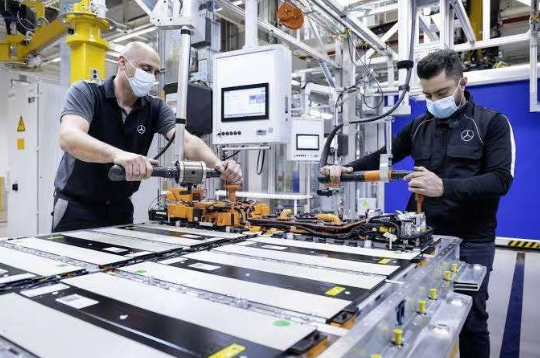
The project could strengthen Morocco’s role in the electric vehicle supply chain, as battery manufacturing becomes increasingly important to the global automotive industry. Beyond producing battery cells, however, a competitive industry also requires access to specialised materials and components. In September 2026, Gotion High-Tech and Volkswagen Group’s battery subsidiary PowerCo announced plans for a proposed joint venture to manufacture cathode active materials in Kénitra (materials used in a battery’s positive electrode that help determine its performance). The project has been associated with an investment of approximately €480 million and a planned annual capacity of 100,000 tonnes. Reports indicate that Gotion would hold 51% of the venture and PowerCo 49%. The project remains subject to the necessary conditions and approvals and should not be considered operational.
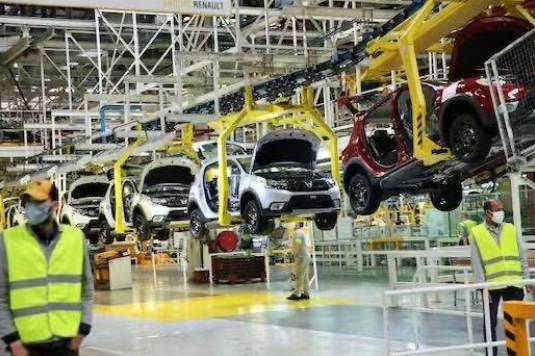
Meanwhile, Tangier is attracting investment in another segment of the automotive industry. Chinese company Hangzhou Radical Energy-Saving Technology is planning to establish an automotive bearing factory through its subsidiary, Radical Bearing Morocco SAS, in Mohammed VI Tangier Tech City (an industrial development zone intended to attract manufacturing and technology-relatedinvestment). The project has been reported as involving an investment of up to $30 million, equivalent to approximately 278 million Moroccan dirhams, on a site covering around two hectares.
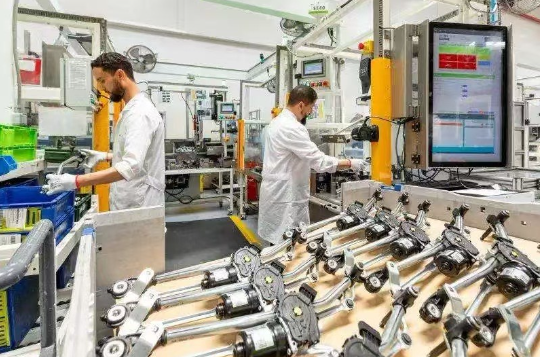
Bearings are precision-engineered components that reduce friction and support moving or rotating parts in vehicles, including wheels, transmissions and electric motors. Their production requires specialised manufacturing processes and strict quality controls. The proposed factory would expand Morocco’s automotive component industry and potentially create employment opportunities while strengthening the country’s capacity to supply international manufacturers. Tangier’s industrial appeal is reinforced by Tanger Med (a major Moroccan port and logistics hub connecting international shipping routes across the Strait of Gibraltar). According to reports published in 2026, Radical’s project had progressed through preparatory studies and planning, but construction had not yet begun. The announced investment therefore represents a planned project rather than confirmation that the factory is operating. The company intends to serve customers in Europe, Africa and the Middle East.
The two projects illustrate different but complementary dimensions of Morocco’s industrial development. Gotion’s investment focuses on battery production and materials associated with electric mobility, while Radical’s plan concerns precision automotive components. They do not establish a direct commercial relationship between the companies, but demonstrate the range of manufacturing activities attracting Chinese investors.
For Morocco, the challenge is to transform investment announcements into operational factories, skilled employment and stronger local supply chains. For Chinese manufacturers, the country offers an established automotive ecosystem, international logistics connections and geographical proximity to European markets. From battery cells in Kénitra to automotive bearings planned for Tangier, these developments reflect Morocco’s ambition to expand beyond vehicle assembly and build a more diversified, higher-value manufacturing sector.
热门内容推荐