Thousand‑tonne building‑materials freight service resumes along the Songhua River
According to Heilongjiang Provincial State‑owned Assets Supervision and Administration Commission, Heilongjiang Shipping Group has reopened a thousand‑tonne freight corridor between Jiamusi and Harbin on the Songhua River, ending more than two decades of suspension for this stretch of inland waterway.
In September 2026, a thousand‑tonne vessel carrying float glass completed its maiden voyage by arriving at Harbin Port. The 445‑kilometre water‑borne route has been fully reopened, marking a historic breakthrough for inland river shipping in Heilongjiang. The waterway had ceased regular freight operations since the late 1990s, affected by expanding land transport networks, seasonal low‑water levels and insufficient channel maintenance.
The provincial state‑owned enterprise rolled out coordinated operational measures for the restart. Dedicated business teams were assembled to secure cargo supplies in the early phase of resumption. It arranged a mixture of road short‑haul deliveries and specialised thousand‑tonne vessels, establishing a closed inter‑modal transport chain covering road feeder services, port loading, inland navigation and on‑site distribution.
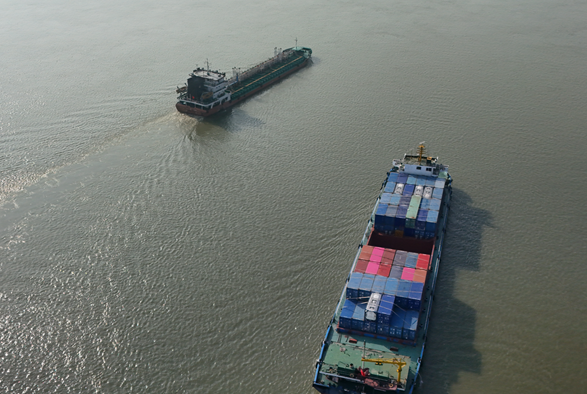
Comprehensive controls were put in place for loading, transit and on‑site supervision to mitigate shipping risks. Operations were scheduled within the favourable autumn navigation window after careful assessment of hydrological conditions.
The group also maintained close working links with local transport and maritime authorities throughout trial voyages and formal launch phases, delivering end‑to‑end “door‑to‑door” logistics solutions for shippers.
The reopened water corridor brings multiple practical outcomes for regional development. It connects key riverside port facilities and strengthens links between inland hinterland and border hub terminals. The Songhua River is evolving beyond an ecological scenic belt into an industrial transport corridor, improving the province’s integrated transport layout. Capitalising on high capacity, lower energy consumption and cost advantages of water transport, the route supports the shift of bulk cargo from road to water, easing pressure on overland freight routes and cutting logistics expenses for local businesses.
It stimulates industrial activity along the river and combines ecological, transport and economic values of the whole river basin. For outward‑oriented trade, the new logistics route runs from the Harbin hinterland along the main course of the Songhua River via Jiamusi hub and the boundary watercourses of the Heilongjiang River towards sea outlets. It connects with border ports at Tongjiang and Fuyuan and reinforces water‑borne trunk links for Heilongjiang and Jilin provinces heading towards Russian border points.
Further operational work lies ahead for Heilongjiang Shipping Group. The business will keep optimising end‑to‑end logistics services and open new dedicated water‑borne freight lines for grain, coal and other bulk commodities. It intends to improve the inland‑co‑ordinated and river‑sea combined shipping system and expand both domestic inland and cross‑border water transport operations to unlock the full capacity of this major inland waterway.
热门内容推荐