Historic Zhuang Mansion Re‑opens as New Cultural‑tourism Venue in Tianjin
According to People’s Online, Zhuang Mansion, also known as Li Chun Memorial Hall, the largest ancient architectural complex within Tianjin’s urban area, has reopened to visitors under the fresh cultural brand “Narrating · Zhuang Mansion”.
First built in 1914, the site was inscribed onto the seventh batch of key historical and cultural sites under national‑level protection in 2013. A collaborative framework combining municipal government co‑ordination, central‑enterprise resources and specialised operational support guided its regeneration. Conservation work followed principles of protection priority, minimal intervention and reversible lightweight adjustments, shifting the heritage site from static preservation towards dynamic cultural activation and delivering an additional consumption destination for Tianjin’s cultural‑tourism sector.
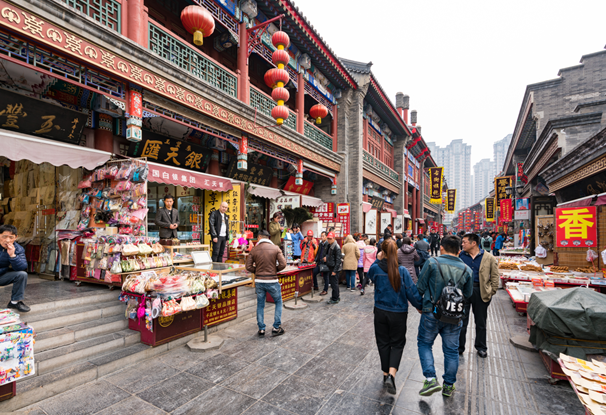
Cultural content is presented through reversible, low‑impact approaches including live‑action performances, digital displays, temporary installations and guided tours. Centred on the “Narrating · Zhuang Mansion” brand, the venue delivers a six‑dimensional immersive experience covering viewing, listening, performance, tasting, interactive play and shopping. *The Mansion Banquet*, its flagship dining‑show production, draws on traditional Chinese rituals, music, cuisine, artefacts and theatrical acts. It merges banqueting, stage performance and historical storytelling throughout visitor routes to recreate facets of aristocratic household life.
A regular calendar of events runs across the compound alongside the signature dining‑show output. Night‑time immersive experiences, intangible‑cultural‑heritage workshops, Chinese‑style market fairs and educational study programmes cater for family groups, young travellers, organised study delegations and cultural enthusiasts.
Nankai District authorities will keep integrating Zhuang Mansion into local public cultural provision and tourism development. The arrangement fosters linked tourist flows between the central district and the northern “Dual‑Ancient Zones”. The centuries‑old architectural complex continues to deliver public cultural value and supports Tianjin’s development as a distinctive urban tourist destination defined by experiential formats, youth‑oriented appeal and profound humanistic features.
热门内容推荐