Chinese Steel Sector Shifts to High‑end, Smart and Green‑focused Upgrading
At the 15th China International Steel Congress held in Shanghai, it was confirmed that China’s steel industry has moved away from the old‑style model of extensive capacity expansion and entered a fresh phase centred on high‑end, intelligent and green transformation.
Senior officials from the China Iron and Steel Association outlined how integrated innovation is driving systematic reshaping right across the domestic steel sector, bringing about sweeping changes in production facilities, finished‑product ranges, customer services and environmental performance.
On the high‑end supply front, intensified research and development has delivered multiple steel grades for automotive manufacturing, offshore engineering, nuclear power and new‑energy industries; several of these products have made their global debut and substituted imported materials.
Steel consumption from manufacturing industries has overtaken that from the construction sector, with output growth recorded for high‑value‑added sheet products and stainless steel to match the upgrading needs of downstream industries.
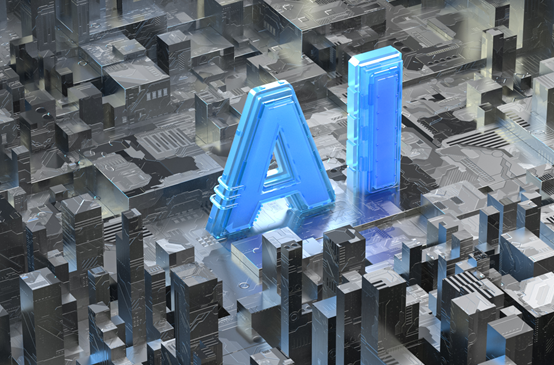
Digital tools, industrial internet infrastructure and large‑scale artificial‑intelligence models are now deployed for smarter steel‑making operations. The industry is rolling out practical “AI plus steel” use‑cases while building up unified digital standards, which help to raise overall operational efficiency and manufacturing precision.
Major progress has also been registered in the green transition. China has carried out the world’s largest‑scale ultra‑low‑emission retrofit programme for steelworks. More than 80 per cent of crude‑steel production capacity completed such upgrades during the 14th Five‑Year Plan period.
A series of demonstration facilities including hydrogen‑based shaft furnaces and near‑zero‑carbon plants have been put into operation, alongside successive releases of low‑carbon steel product lines.
The industry is navigating a fundamental shift from competition based on production scale towards competition founded on product quality. Technological advancement and cross‑field integrated innovation underpin this systematic industrial change. Looking ahead to the 15th Five‑Year Plan period, the sector will prioritise improvements in industrial foundations and the modernisation of whole supply chains.
Work will continue on green‑low‑carbon transformation and intelligent manufacturing, alongside controls on capacity expansion, further industrial consolidation, safeguards for raw‑material security and progress in international co‑operation for the steel business.
Under the framework laid out by the China Iron and Steel Association, three key programmes will be implemented: quality‑improvement and product‑creation initiatives, energy‑carbon efficiency upgrades, and digital‑intelligent transformation projects.
Wider application scenarios for steel materials will be explored, together with stronger talent development. Revised standards and testing regimes will support brand‑building for low‑carbon steel and high‑grade special steel.
Steel enterprises are moving beyond simply supplying physical steel products, to deliver integrated packages incorporating materials, technical solutions, operational services and green‑branding value.
Collaboration with downstream industrial partners will target breakthroughs on special materials previously subject to external constraints, while collective action will counter destructive market competition.
热门内容推荐