Reform, Specialisation and Digital‑Upgrading Drive Masteel’s Industrial Renewal
Construction work proceeds at Masteel’s New Special‑Steel Phase‑II site on 20 September. Piling works for the No 4 round‑bloom continuous caster have been fully completed, with site workers now carrying out equipment installation. This major technical‑upgrade project for the Maanshan steel base is advancing towards its scheduled commissioning by the end of the calendar year. Against a cyclical downturn across the steel sector, Masteel Group has taken reform, innovation and cross‑enterprise synergy as core drivers. Pursuing high‑end, green, intelligent and integrated development, the group has delivered improved operating results and accelerated the formation of new productive forces, registering a profit of 1.512 billion yuan on property‑right accounting terms for the first half of the year.
Masteel has pushed forward systematic professional reorganisation to break through operational constraints emerging after 2022, when the steel market moved into a downward cycle. From 2024 onwards, the group launched a fresh round of deep‑seated reforms. Maanshan Iron and Steel Co., Ltd first set up Maanshan Iron and Steel Limited, before bringing Baoshan Iron and Steel in as an equity participant. Technical joint task‑forces were established for on‑site problem‑solving. Optimised rolling procedures and revised operational standards cut roll‑change duration on the hot‑rolling mill from 15 minutes down to 10 minutes. Organisational adjustments followed within the plant; former integrated steel‑rolling works were split into separate steel‑making and hot‑rolling facilities, while the iron‑making division absorbed internal logistics and coking segments to sharpen functional specialisation.
Parallel restructuring covered Masteel’s diversified non‑steel businesses. More than seventy subsidiary companies across seven business segments including mineral resources, engineering services and environmental protection were transferred to dedicated professional platforms under China Baowu. The reorganisation streamlined corporate portfolios and enabled the steel‑making core business to operate with greater agility. Cost‑cutting and sales growth were recorded in 2025; per‑tonne steel production costs fell by 115 yuan year‑on‑year, exports of section‑steel products hit an all‑time high with a 33 per‑cent annual rise, and sales volumes for newly‑developed steel grades grew by 16 per‑cent.
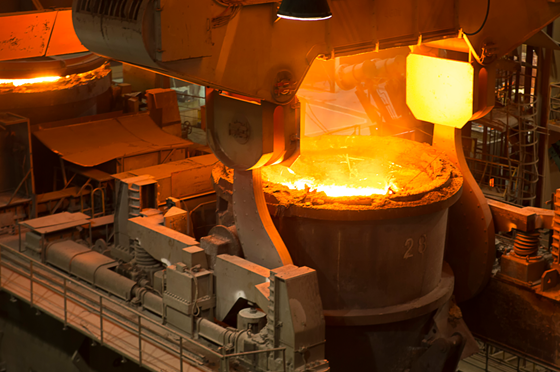
Strategic shifts in product mix underpin Masteel’s push into high‑end market segments. While constructing new special‑steel and seamless‑steel pipe facilities, the firm permanently retired two existing CSP thin‑slab casting‑rolling production lines plus older smelting capacity at the former No 3 steel‑making plant. It withdrew from ordinary structural long‑steel production entirely, concentrating resources upon four core categories: special steel, heavy plates, section steel and rail‑transport wheels and axles. Production of conventional construction‑grade long products was handed over to Changjiang Iron and Steel to realise rational division of capacity within the local industrial base.
In‑house research teams have overcome long‑standing technical bottlenecks on critical materials for rail transit, automotive gear components and high‑grade bright steel bar. Advanced green continuous‑casting techniques have yielded premium gear‑steel grades now sold into high‑end manufacturing markets across Europe and America. Masteel Rail Transit Material Technology Co., Ltd supplies noise‑dampened metro wheels deployed on the Ningma Intercity S2 line.
Wheels manufactured by the same business were fitted for CR450 high‑speed rolling‑stock trials, recording a test running speed of 453 km per hour and a passing‑encounter relative speed of 896 km per hour. As a national champion manufacturer for single‑product lines, the enterprise develops and fabricates a complete portfolio of rail‑transit wheel‑and‑axle goods, with its goods delivered to more than seventy countries and territories.
Since 2020, Masteel has led or participated in 26 municipal, provincial and national research projects; it has secured 62 technical progress awards at various administrative levels and launched five globally‑first steel product variants, alongside more than 8 million tonnes of newly‑developed steel output.
Digital and intelligent transformation runs across mining, metallurgy and component‑making workflows. Centralised monitoring control rooms have replaced scattered work‑posts at the Gushan mine tailings‑processing plant, shifting operational patterns away from continuous on‑site attendance towards remote supervision.
At Nanshan mine, cloud‑based scheduling and video‑led inspection have superseded labour‑intensive site patrols; centralised management of power distribution facilities has sharply reduced staffing requirements while lifting operational safety.
A vision‑driven system named “Intelligent Eye” has been deployed within the hot‑rolling heat‑treatment zone of the rail‑components plant. It transmits real‑time positional data for wheel castings to robotic manipulators, enabling automatic correction and precise gripping during furnace‑loading sequences. Within Masteel, a 5G‑enabled smart power plant has been built; its 5G‑driven intelligent stock‑yard has been recognised as an integrated innovation demonstration project under the Ministry of Industry and Information Technology’s “5G plus Industrial Internet” initiative. Key‑process numerical‑control rate and equipment network‑connection rate for Maanshan Iron and Steel Co., Ltd both stand at 100 per cent.
Under its development targets for the 15th Five‑Year period, Masteel Group intends to capitalise on existing Baowu synergies together with local regional market strengths. It continues to advance integration of the Maanshan steel base into Anhui’s industrial framework and broader Yangtze River Delta development arrangements.
热门内容推荐